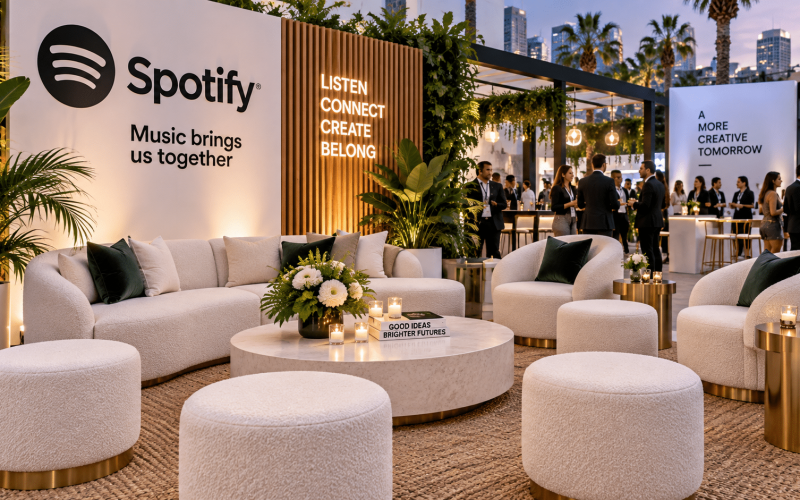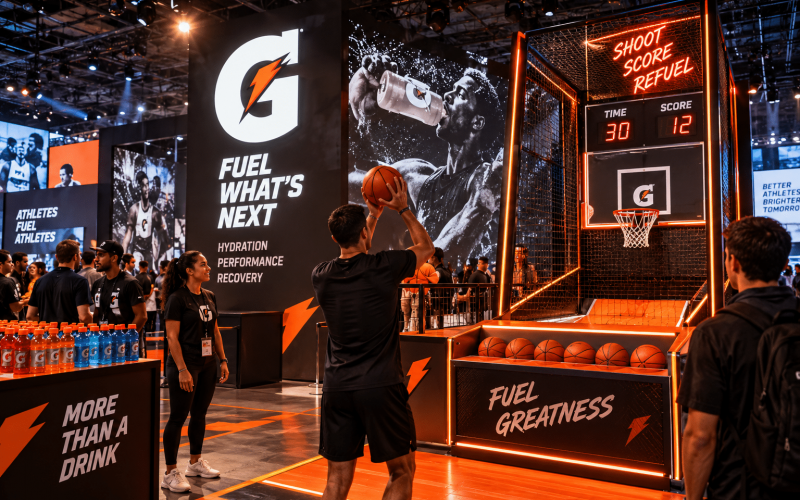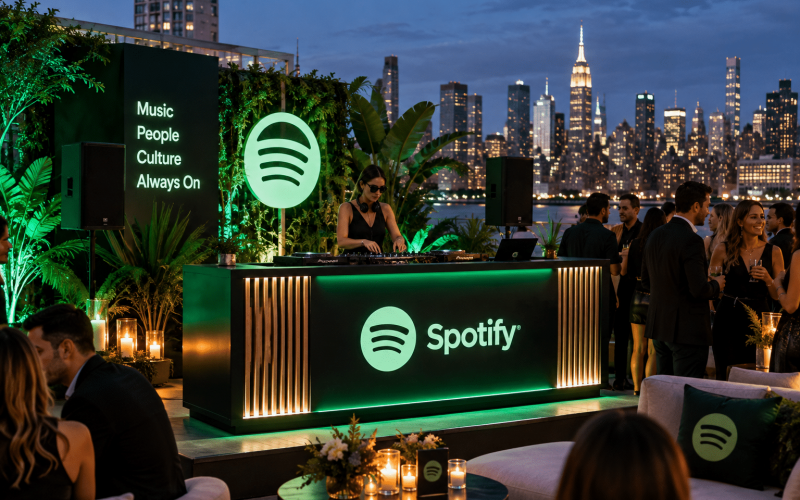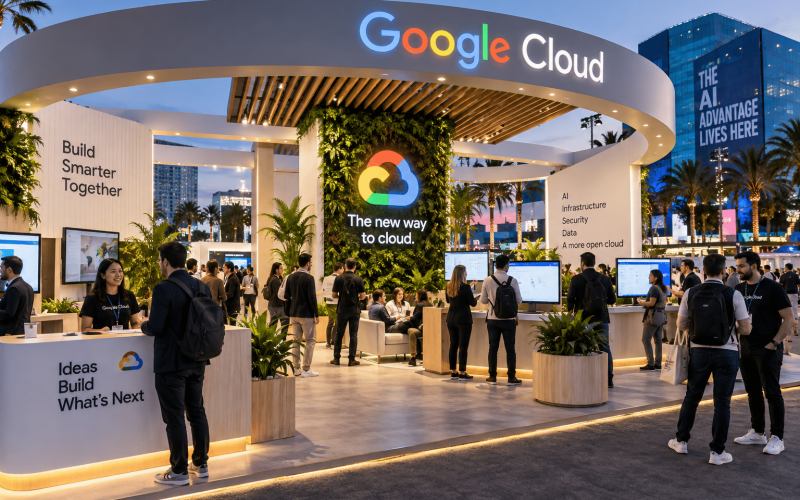
When a brand asks for a custom display, a product demo fixture, or a trade show booth element that needs to look sharp and hold up on show floor, the question usually comes up fast: what is metal fabrication? In practical terms, it is the process of turning raw metal into finished parts, structures, and custom products through cutting, bending, welding, machining, and finishing. For experiential marketing, that process is often what makes the difference between a concept that looks good in a render and one that performs in the field.
Metal fabrication matters because live events are hard on materials. Booth structures get packed, shipped, assembled, disassembled, and reused. Interactive elements need strength. Branded environments need clean lines and reliable fit. If the goal is a polished physical experience that survives transport and still looks brand-right under venue lighting, metal fabrication is often part of the answer.
What is metal fabrication in simple terms?
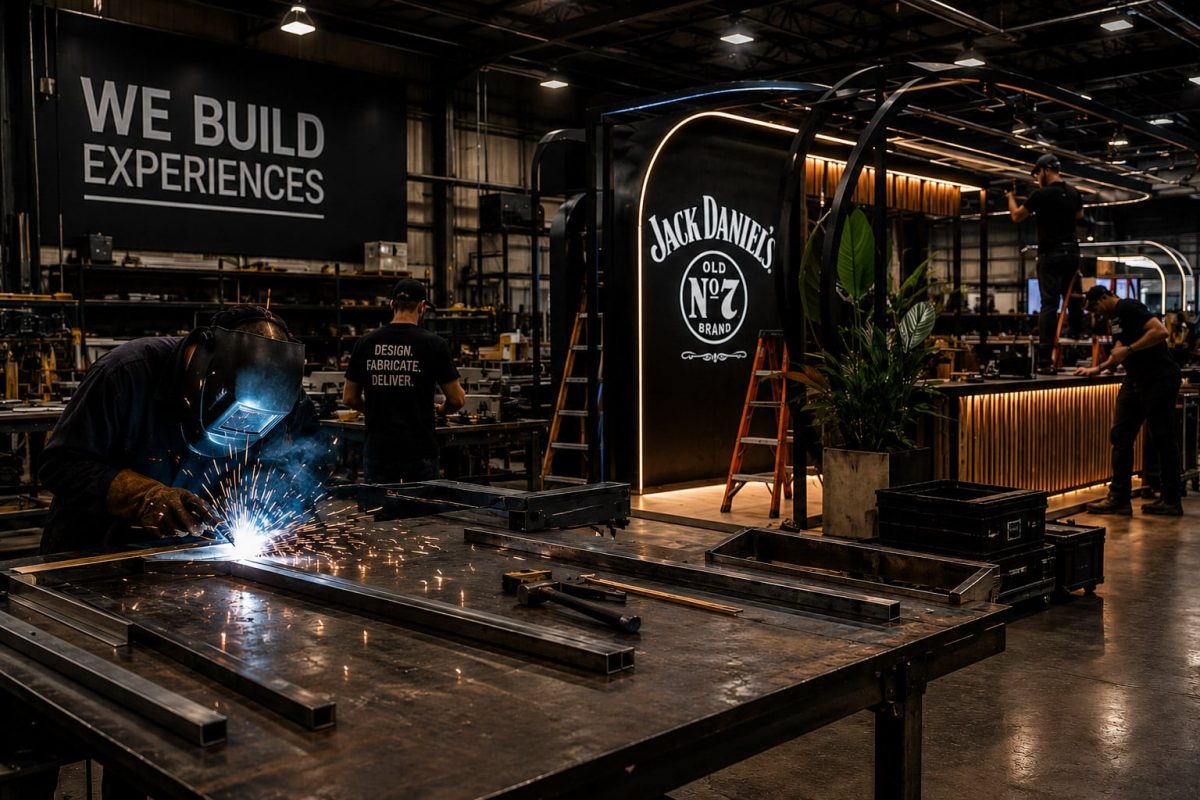
Metal fabrication is the manufacturing process of building products and components from metal stock. That stock may start as sheet metal, tubing, plate, bar, or structural sections. Fabricators then shape and join those materials into something functional – a frame, a display base, a sign structure, a shelving system, a branded fixture, or a custom support element inside a larger activation.
The term covers more than one task. It is not just welding, and it is not just cutting parts out of sheet metal. A real fabrication process combines design interpretation, material selection, precision production, assembly, and surface finishing so the final piece works in the real world.
For event environments, fabrication is rarely isolated. A single custom build might combine metal, wood, acrylic, printed graphics, electrical components, and hidden hardware. Metal fabrication is the structural backbone in many of those projects, especially when durability, repeat use, or load-bearing performance matters.
What metal fabrication usually includes
The exact workflow depends on the project, but most fabrication work includes a few core processes.
Cutting
Cutting is how raw material becomes usable parts. Fabricators may use saws, shears, laser cutting, waterjet cutting, or plasma cutting depending on the material, thickness, edge quality, and production needs. In an event build, clean and accurate cuts matter because downstream assembly moves quickly. If one bracket, frame member, or panel support is off, installation time grows fast.
Forming and bending
Once cut, metal often needs to be bent or formed into shape. Sheet metal can be folded on a press brake to create corners, channels, trays, and enclosures. Tubing can be bent for frames, guard rails, or custom architectural details. Forming allows a fabricator to create strength and geometry without overcomplicating the design.
Welding and joining
Welding joins metal parts into assemblies. Depending on the project, a shop may also use bolts, rivets, threaded inserts, or other mechanical fasteners. For temporary and touring environments, the joining method matters. A fully welded frame can offer strength and a clean look, but a modular bolted assembly may be better if the asset needs repeated shipping and simple install.
Machining and detailing
Some parts need tighter tolerances than cutting and forming alone can provide. Machining creates precise holes, slots, threads, and detailed features. This matters for interactive builds, alignment-critical parts, and hardware integration. If a branded game element has moving parts, or a demo station needs hidden mounting points, machining often enters the picture.
Finishing
A fabricated part is rarely complete when the structure is assembled. Finishing may include grinding welds, sanding, powder coating, painting, plating, or applying specialty finishes. In branded environments, finish quality is not cosmetic only. It affects durability, consistency, and how premium the final installation looks on camera and in person.
Common metals used in fabrication
Steel is widely used because it is strong, cost-effective, and versatile. It works well for frames, support structures, bases, and components where strength is the priority. The trade-off is weight. For some event applications, that can raise freight and labor costs.
Aluminum is another common choice, especially in experiential builds. It is lighter than steel, corrosion-resistant, and often easier to handle in modular systems. That makes it useful for portable displays, frames, lightboxes, and structures that need to travel. The trade-off is that it may not be the best fit for every heavy-load application, and finish expectations can influence material choice.
Stainless steel is selected when corrosion resistance or a high-end finish is important. It is often used for premium fixtures, food-service-related event elements, or installations where the exposed metal itself is part of the design language. It usually comes at a higher material and labor cost, so it needs to be justified by the use case.
Why metal fabrication matters for trade shows and brand activations
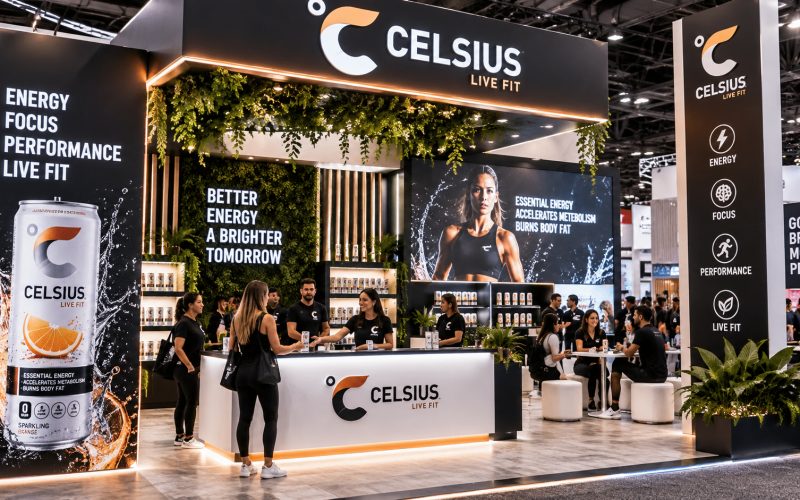
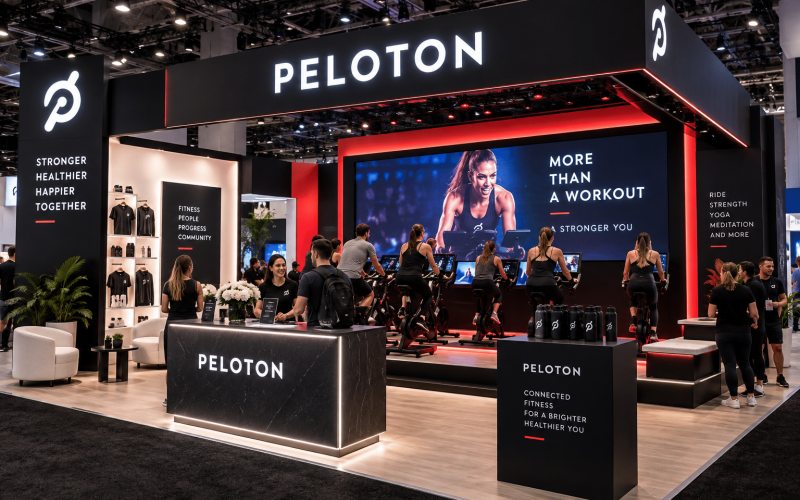
In experiential marketing, custom fabrication is about more than making a structure stand up. It is about making the creative concept executable. A design may call for floating shelves, oversized brand elements, integrated screens, custom counters, or interactive stations with hidden cable management. Those details usually require a fabricated framework that can support the visual idea without compromising safety or install efficiency.
This is where fabrication and event production need to work together. A piece might look straightforward in a concept deck but become difficult once shipping dimensions, venue rules, weight limits, and setup windows are considered. Fabrication solves those problems when it is approached as part of execution, not as an afterthought.
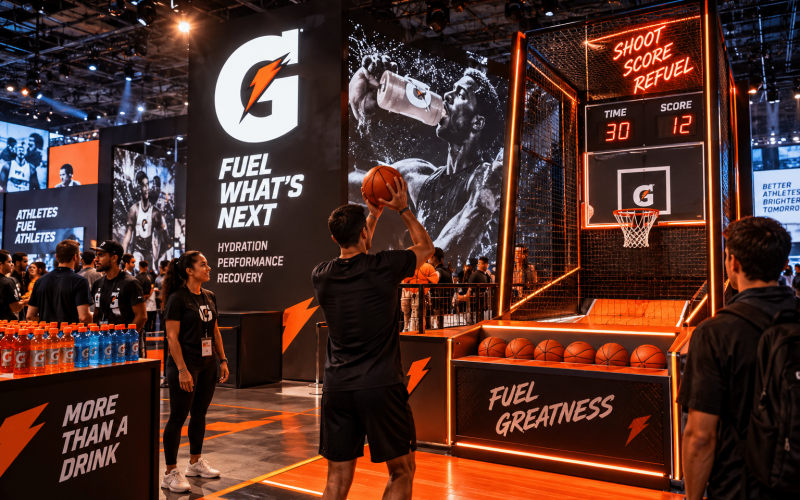
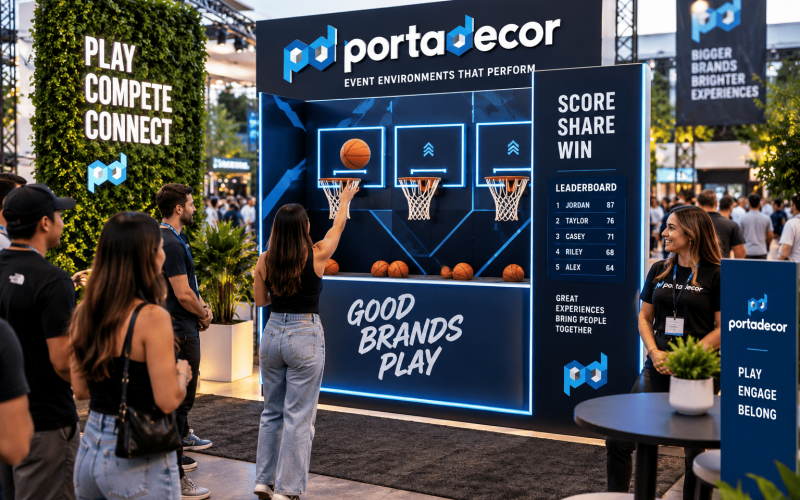
For example, a trade show booth may need metal frames that break into manageable sections, reassemble cleanly onsite, accept interchangeable branded skins, and stay rigid across multiple shows. A retail-style product display for an activation may need concealed steel reinforcement so it feels premium without sagging under product weight. A custom game unit may need aluminum framing to reduce transport weight while still supporting electronics and repeated use.
What is metal fabrication compared to manufacturing?
People often use the terms interchangeably, but they are not exactly the same. Manufacturing is broader. It includes the full production of goods, often at larger scale and with repeatable systems. Metal fabrication is a specific discipline within that larger category, focused on building metal parts and assemblies.
For event work, that distinction matters. Most experiential projects are not mass production. They are custom builds, short runs, or modular assets tailored to a campaign. That makes fabrication especially valuable because it supports one-off design intent, revisions, and project-specific engineering.
The process behind a custom fabricated event build
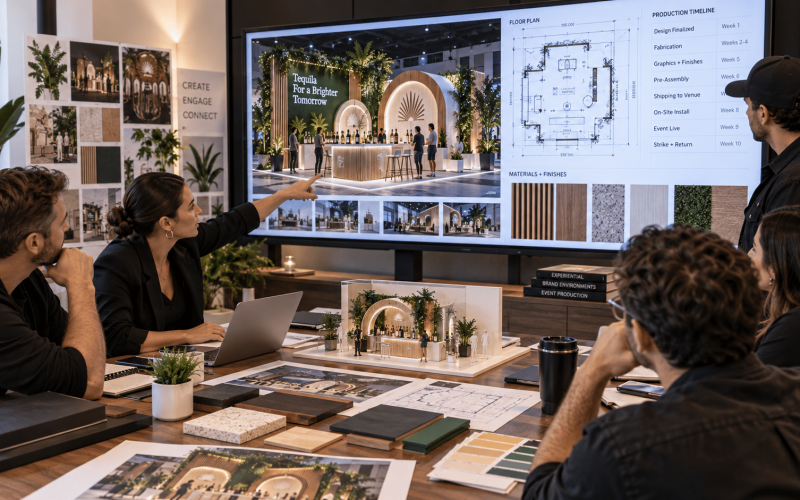
A typical project starts with drawings, renders, or a concept package. From there, the fabrication team reviews dimensions, use conditions, materials, and assembly requirements. This stage is where practical questions should get answered early: Will it ship assembled or knock down? Is the finish durable enough for reuse? Does the frame support all integrated components? Can the piece be installed safely within the venue window?
After that, shop drawings and production files guide cutting, forming, and assembly. Prototyping may be part of the process if the project includes interaction, motion, or a first-time design detail. Once fabrication is complete, the build moves through finishing, quality control, and often test assembly before delivery.
For clients, the biggest value is not simply having fabrication capability. It is having a fabrication partner that understands event use. A beautiful metal structure that takes too long to install or fails after two tour stops is not a successful build.
What to look for in a metal fabrication partner
If you are sourcing custom event products or activation builds, fabrication quality should be evaluated in context. Precision matters, but so do packaging, modularity, finish consistency, and field practicality. A capable shop should be able to explain how a structure will be built, how it will travel, how it will assemble, and where cost trade-offs exist.
That last point matters. There is no single best fabrication method for every project. Heavier steel may improve rigidity but increase drayage and labor. A premium finish may elevate the visual result but add lead time. Fully custom components may better support the brand concept, but standardizing certain elements can help control budget and future reuse.
For experiential teams and agencies, the strongest outcomes usually come from involving fabrication early. That gives the project room to balance design ambition with production reality before deadlines tighten.
What is metal fabrication really doing for your project?
At its best, metal fabrication turns creative intent into reliable physical infrastructure. It gives branded environments strength, repeatability, and finish quality. It supports the custom products that make activations more immersive and trade show booths more functional. And it helps ensure the asset you approve on paper is the asset that actually works onsite.
For event marketers, producers, and agencies, that is the real value. Metal fabrication is not just a shop process. It is a practical foundation for building experiences that look right, travel well, and perform when the audience shows up.