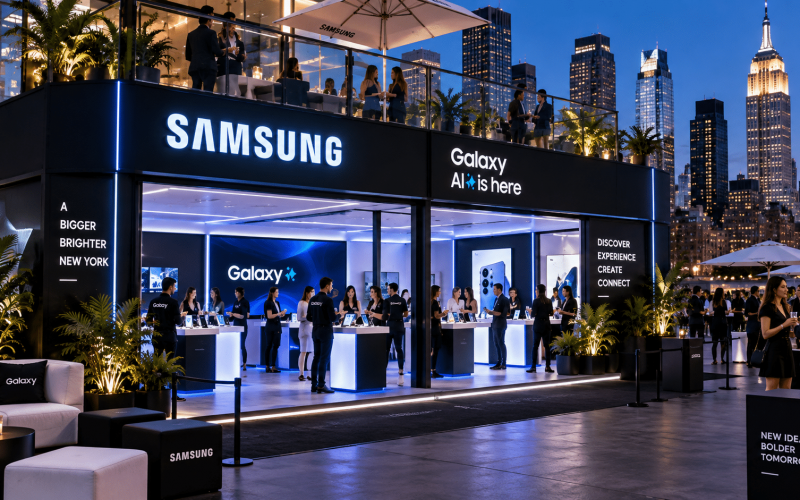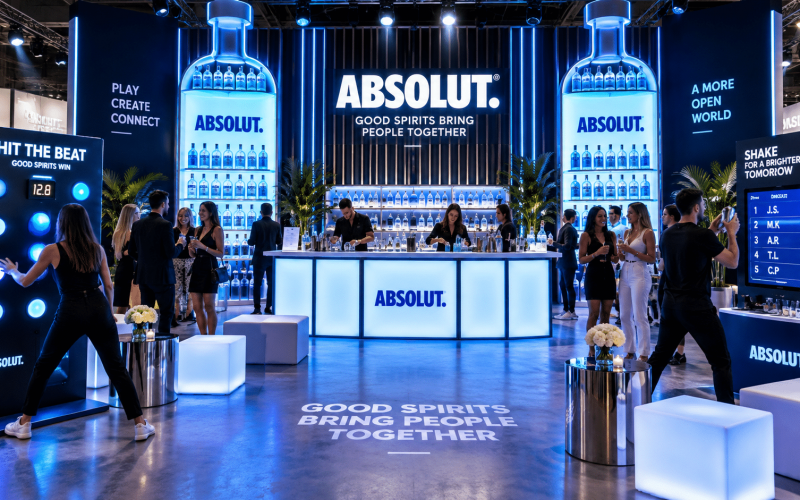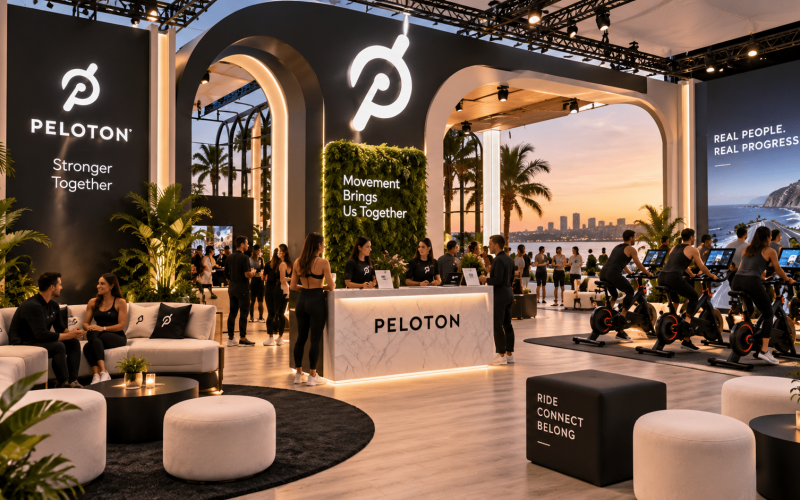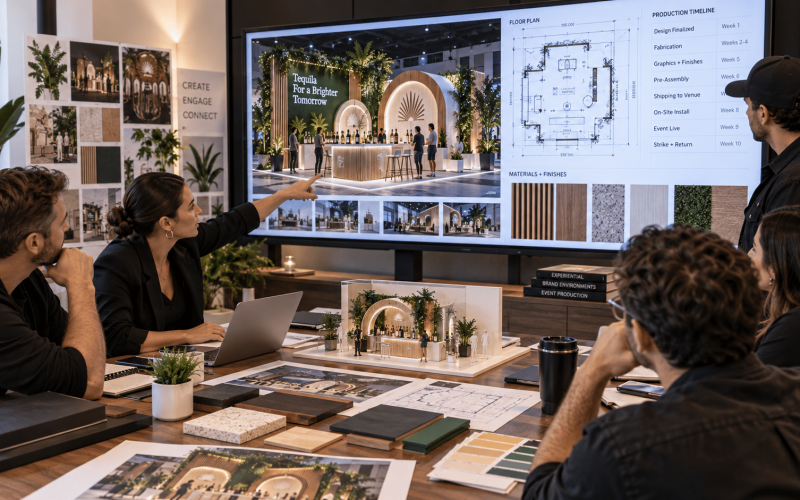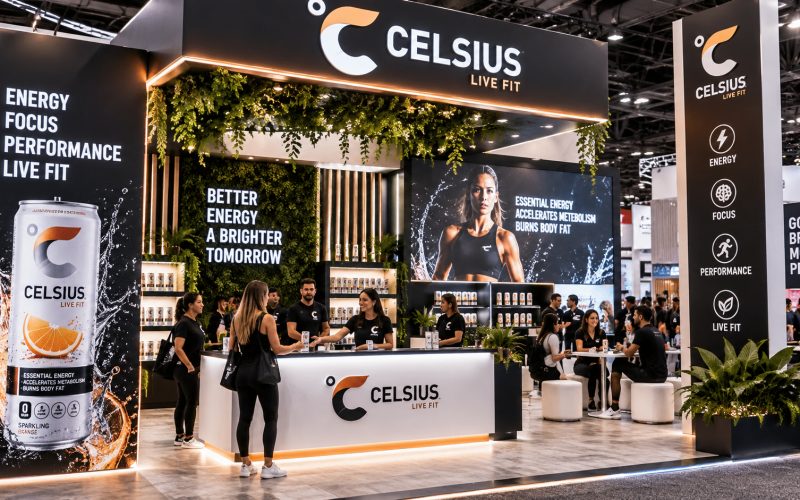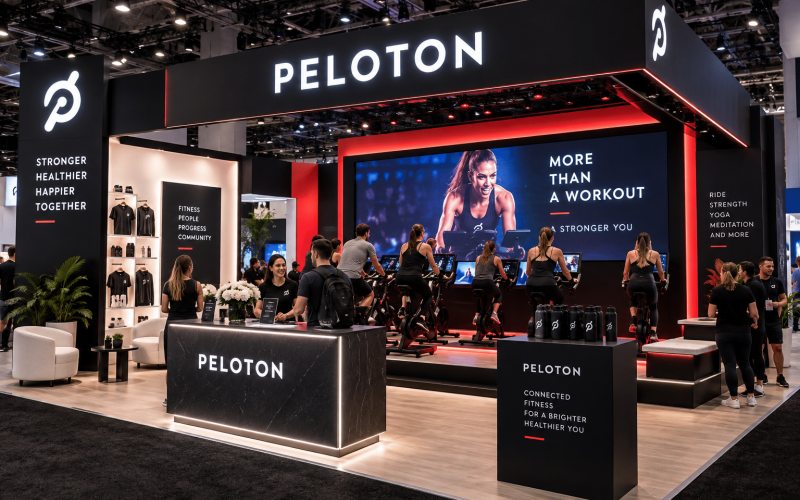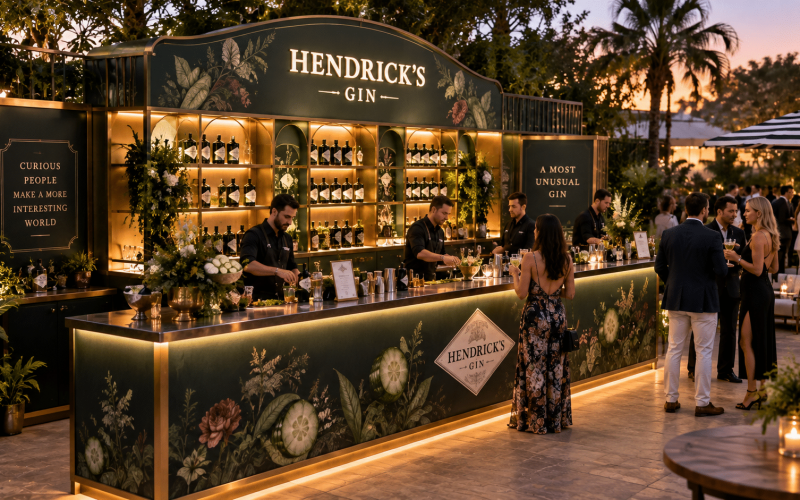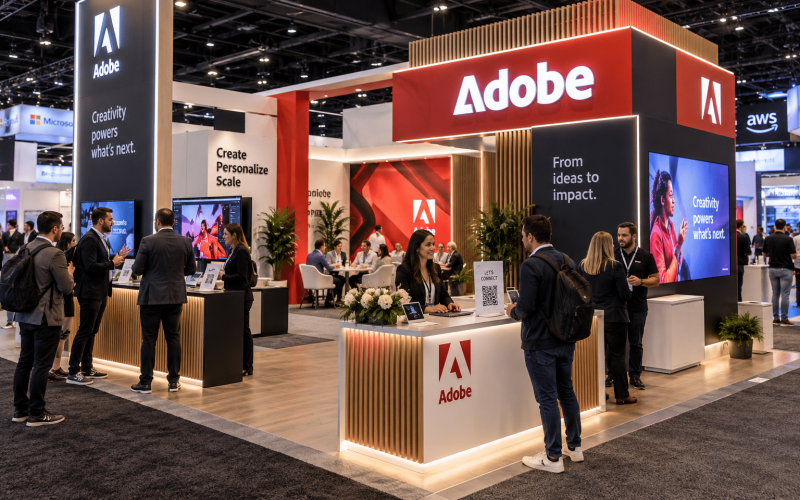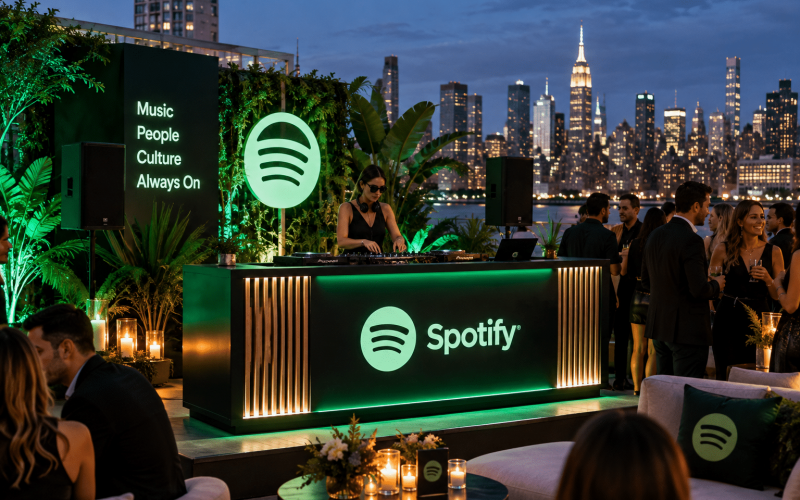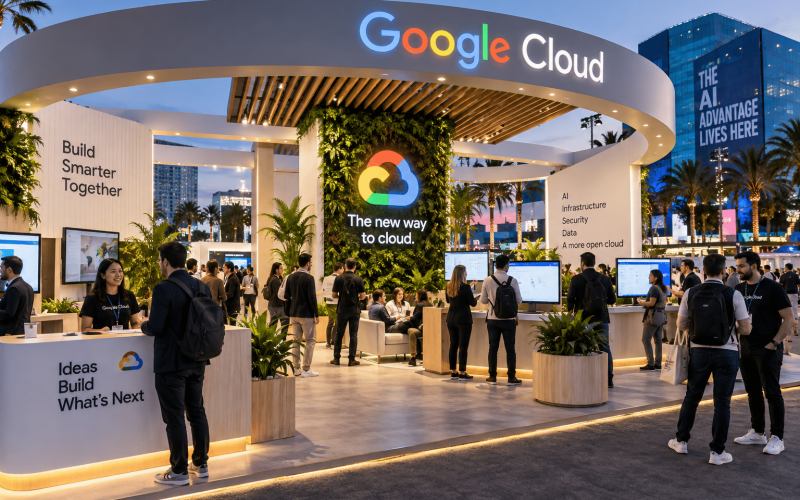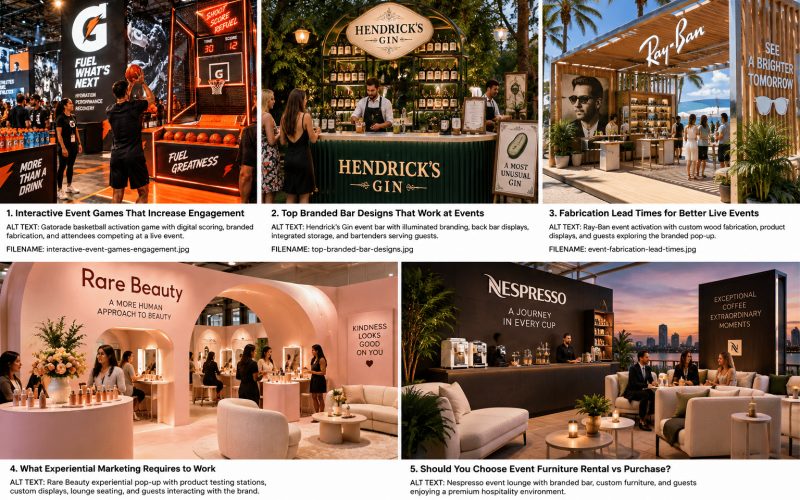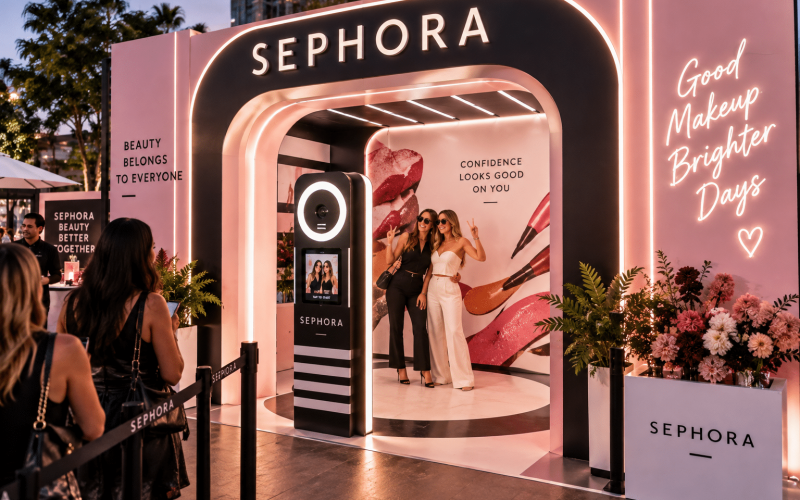
A display decision can change the entire performance of an activation. In the discussion of LED walls versus projection, the right answer is rarely about which technology looks more impressive in isolation. It is about what the audience needs to see, where they will see it, how the environment will behave, and what the event build can realistically support.
For a product launch, trade show booth, pop-up, or branded installation, visual technology has to work as part of the physical experience. It must support the campaign message, fit the footprint, withstand event conditions, and coordinate with fabricated elements, lighting, power, rigging, and staffing. A screen that performs well in a dark theater may fail in a sunlit convention hall. A high-impact LED wall may be unnecessary when projection can create the more immersive result.
LED Walls Versus Projection: The Core Difference
LED walls produce light directly from individual light-emitting diodes. They are made of modular panels that can be assembled into a wide range of sizes and configurations. Because the display generates its own brightness, it remains visible in environments with significant ambient light.
Projection works by casting light from a projector onto a screen, wall, scenic surface, or custom projection material. Its visual result depends on the projector’s output, throw distance, screen quality, surface color, and control of surrounding light. Projection can create imagery at a large scale without requiring a physical LED display structure at the viewing surface.
Neither format is automatically the premium choice. LED is often the dependable choice for high-traffic, brightly lit event spaces. Projection can be the more creative choice for environmental storytelling, scenic transformations, and large-format content where darkness can be controlled.
When LED Walls Are the Better Event Investment
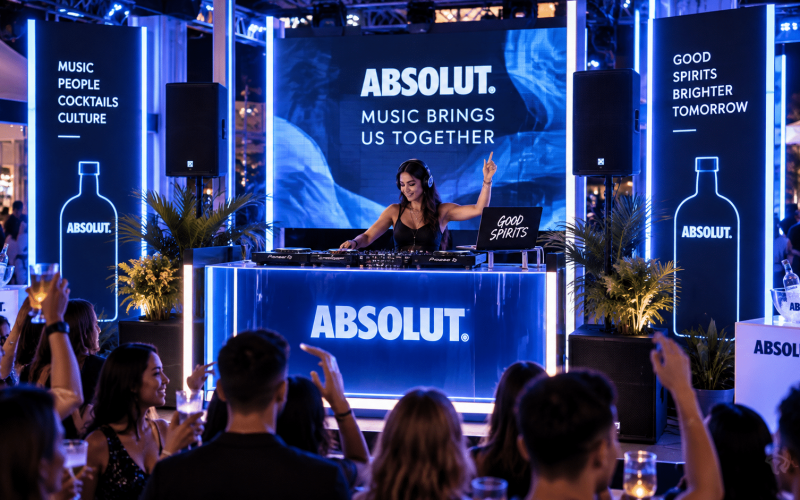
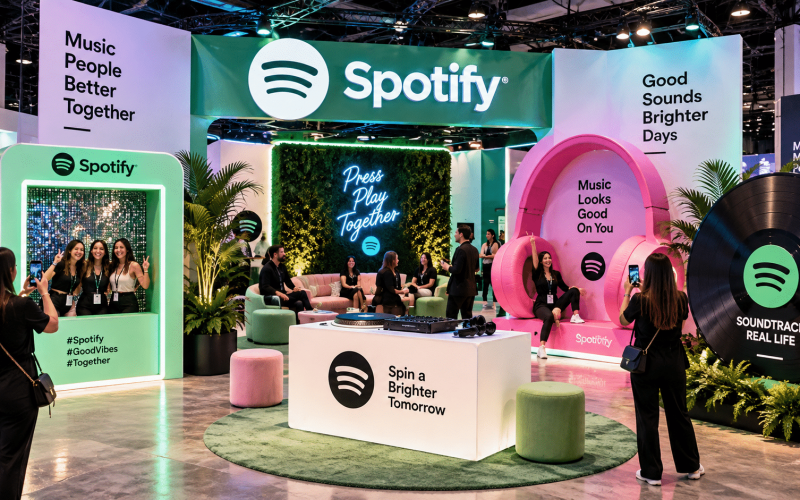
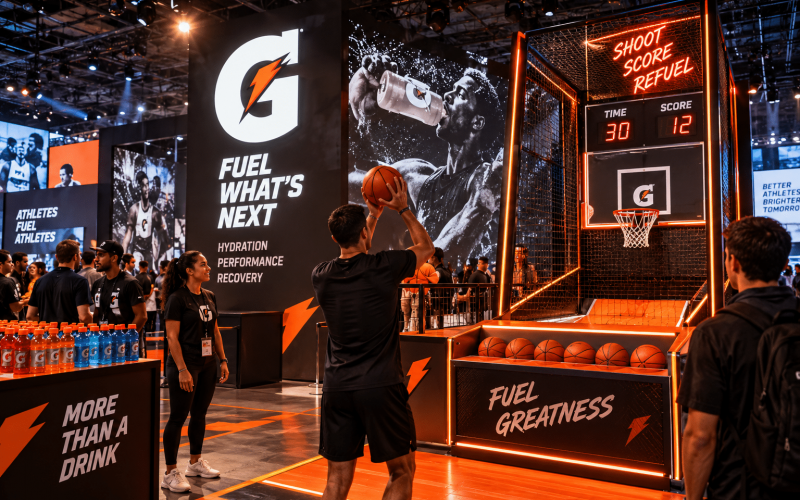
LED walls are built for visibility. At a busy trade show, attendees may encounter a booth from multiple aisles away under bright overhead lighting. A properly specified LED display can maintain color, contrast, and legibility in conditions that would wash out most projected images.
This makes LED particularly effective for product videos, motion graphics, sponsor loops, live camera feeds, data visualization, and bold brand messaging. It also supports flexible booth layouts. Panels can be configured as wide backdrops, vertical towers, curved surfaces, corner displays, or integrated components within a fabricated environment.
Bright venues and unpredictable lighting
Convention centers, hotel ballrooms, outdoor festivals, and retail-style activations rarely offer complete lighting control. If a display is a primary communication tool, LED removes a major source of risk. It is also useful when the audience will engage throughout the day, as daylight changes or show-floor lighting shifts.
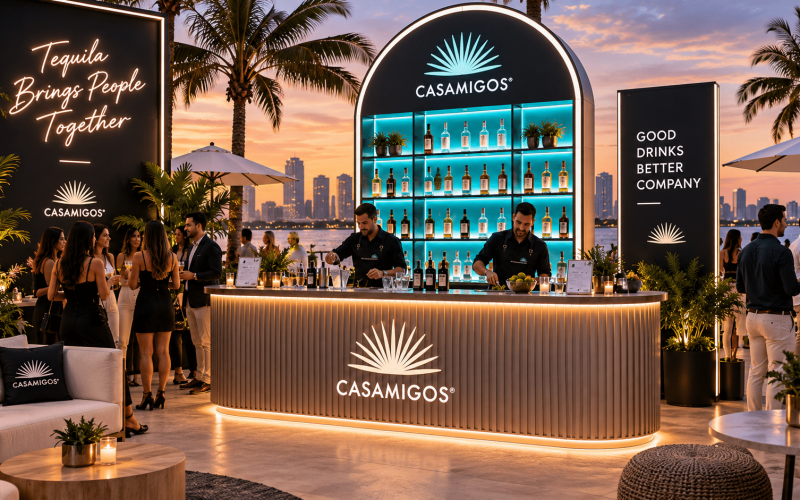
Outdoor use requires additional planning. The display needs the right weather rating, brightness level, structural support, electrical capacity, and cable management. But for an outdoor brand activation where visibility is nonnegotiable, LED is typically the stronger option.
Close viewing and sharp graphics
Pixel pitch matters when attendees will stand close to the screen. A lower pixel pitch creates a denser image and is better for booth displays, retail pop-ups, and other environments where visitors may be only a few feet away. A larger pitch may be appropriate for a stage backdrop viewed from farther away.
This is not a minor specification. Choosing an overly coarse pixel pitch can make typography, product imagery, and fine graphic details look rough at close range. Selecting a pitch that is unnecessarily fine can inflate the budget without improving the audience experience. Viewing distance should guide the specification.
High-impact branded surfaces
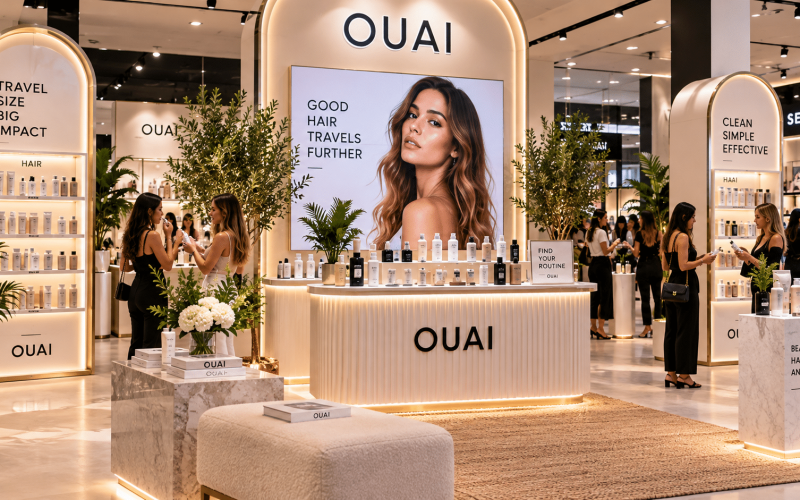
LED works especially well when the screen needs to feel like a central architectural element. It can be framed by custom fabrication, embedded into walls, paired with illuminated signage, or used as a changing visual backdrop behind product displays and interactive elements. The result is a display that feels integrated into the build rather than added at the last minute.
The trade-off is weight, power, transport, and installation complexity. LED panels need a reliable support plan, whether ground-supported, flown, wall-mounted, or incorporated into a fabricated structure. Content also needs to be formatted for the display’s exact pixel dimensions, not simply dropped in from a standard presentation deck.
When Projection Creates the Better Experience
Projection is not a fallback for teams without an LED budget. Used well, it can do things LED cannot easily replicate. It can cover large scenic areas, transform irregular surfaces, create atmosphere across a room, and make a physical installation feel dynamic without placing a visible screen at every focal point.
For experiential work, that flexibility has real value. Projection can animate a custom facade, turn a product pedestal into a storytelling surface, or create an immersive environment around guests. It is often the right choice when the creative concept calls for the display to disappear into the scenery.
Scenic projection and projection mapping
Projection mapping is especially effective for launches, private events, museum-style installations, and controlled pop-ups. Content can be aligned to fabricated shapes, architectural details, dimensional letters, or set pieces. A static build becomes a changing environment, helping a campaign deliver more visual variety without rebuilding the entire space.
This approach requires precision. The projection surface must be designed with the content plan in mind, and the equipment must be placed at the correct distance and angle. Even a strong creative concept can underperform if sightlines are blocked, surfaces are too reflective, or alignment shifts during the event.
Large images with less display hardware
For a large, temporary image in a dark room, projection can be cost-efficient compared with building an equally large LED surface. It may also reduce the amount of visible technology in the environment. This matters for premium brand experiences where scenic design, texture, and atmosphere take priority over the appearance of a conventional screen.
Projection is also useful where a display must cover a very wide or unusual surface. An LED wall is naturally rectangular unless the budget supports custom shaping and fabrication. Projection can adapt more easily to walls, ceilings, floors, curved elements, and temporary scenic structures.
The limitation is clear: ambient light is the enemy. Daylight, open doors, overhead fixtures, and nearby exhibits can reduce contrast and weaken the image. Brighter projectors help, but they do not eliminate the need for lighting control.
Cost Is More Than the Screen Rental
Comparing display pricing without comparing production requirements leads to poor decisions. An LED wall budget may include panels, processing, support structure, labor, power distribution, transport, and technical operation. A projection budget may include projectors, lenses, screens or scenic surfaces, rigging, media servers, alignment, masking, and lighting control.
The lower equipment quote is not always the lower installed cost. A projector may require a long throw path that conflicts with the event layout. An LED wall may require added labor and power, but eliminate the need for blackout drape, a projection screen, and continual alignment checks.
Content should be part of the early budget conversation. LED content requires resolution-specific formatting and testing. Projection mapping requires templates, calibration, and content designed around the exact physical surfaces. Standard 16:9 video is often not enough for either approach when the display is a prominent part of the brand experience.
How to Choose for a Trade Show Booth or Activation
Start with the event environment rather than the technology. If the display must compete with a bright show floor, LED is generally the practical choice. If the goal is to transform a controlled environment with content across scenic surfaces, projection may deliver more creative value.
Then consider viewing distance and dwell time. A fast-moving trade show audience needs immediate readability: large type, high contrast, and direct sightlines. An invited guest experience with longer dwell time can support more cinematic projection, layered storytelling, and subtle visual moments.
The physical build matters just as much. Ask where the display will sit, how guests move around it, where equipment will be concealed, and how cables and power will be managed. A display plan should be developed alongside the fabrication plan, not after the booth or activation structure is already approved.
For campaigns that need both visibility and immersion, a hybrid approach can be effective. An LED wall can carry critical brand messaging, live content, or product demonstrations, while projection adds atmosphere to surrounding scenic elements. This gives the experience a clear visual anchor without limiting the creative environment to a single screen.
Build the Display Into the Experience
The best display choice supports the story, the audience path, and the operating conditions of the event. It should also support practical execution: load-in timing, venue rules, electrical planning, safety requirements, and reliable operation during show hours.
Portadecor approaches branded environments as complete physical experiences, where custom fabrication and display technology need to work together. Bring the visual requirements into the design process early, and the final build can give your content a place to perform rather than simply a surface to occupy.