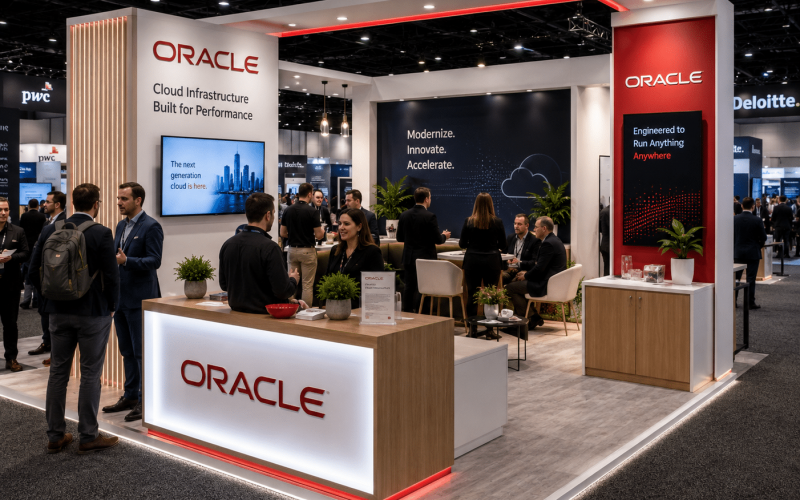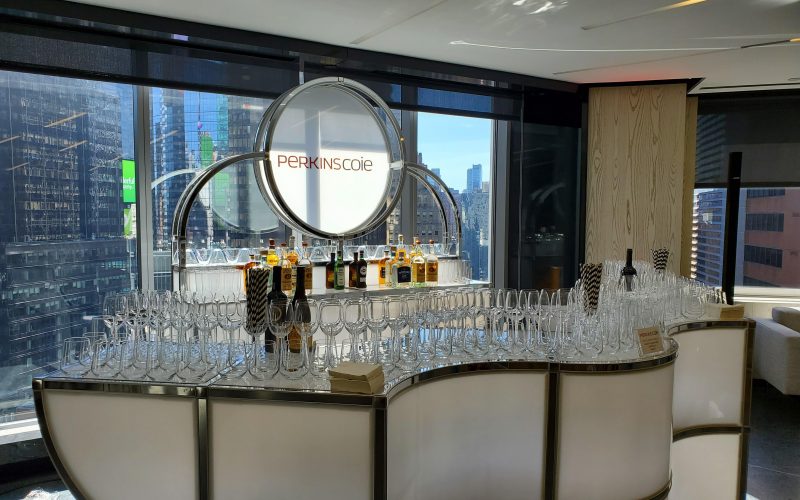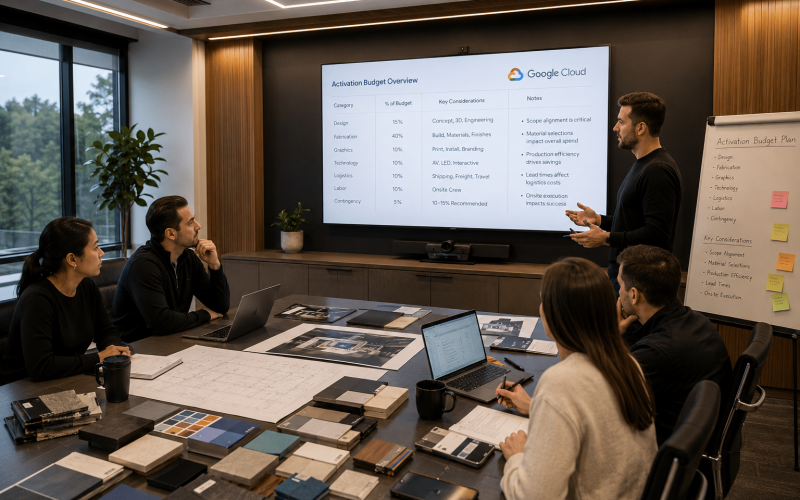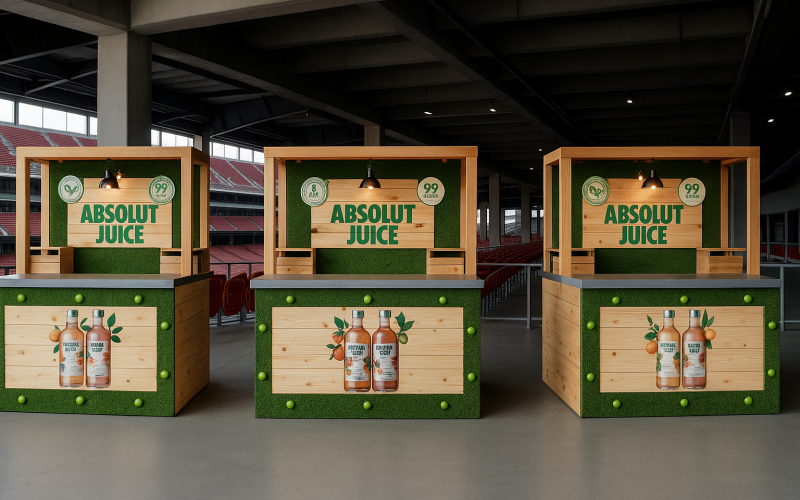
A launch date is set, the footprint is locked, and the creative team wants a space that looks nothing like the booth next door. That is usually when the real decision starts: event rentals versus custom builds. For brand marketers and event producers, this is not just a budget question. It affects speed, brand expression, logistics, reuse, and how much control you have over the final environment.
In experiential marketing, the right choice depends on what the event needs to do. A rental can solve a fast-moving production problem efficiently. A custom build can turn a branded concept into a physical asset that feels owned, intentional, and hard to replicate. Most teams are not choosing between good and bad. They are choosing between two valid production strategies with different strengths.
How event rentals versus custom builds really differ
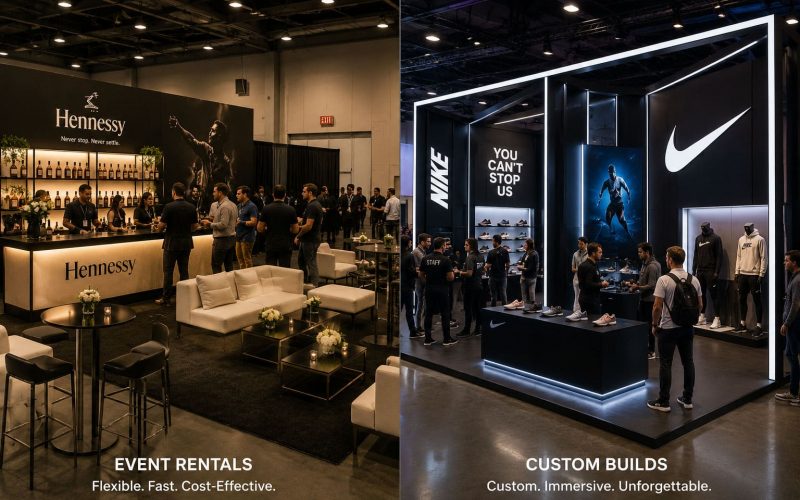
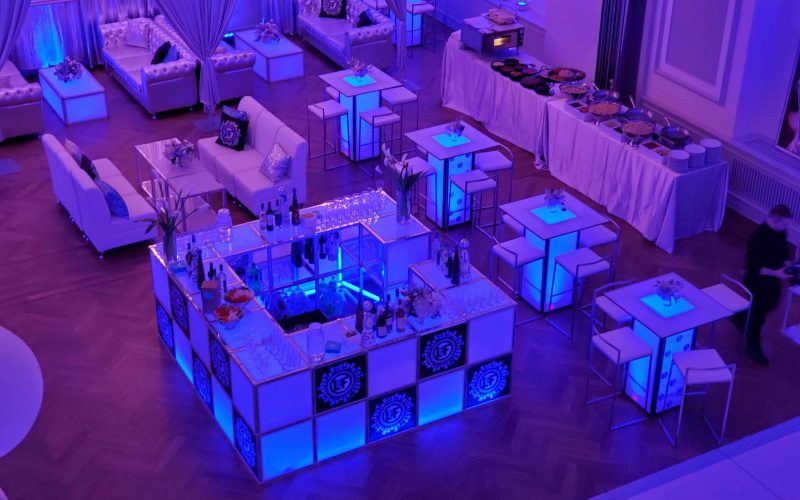
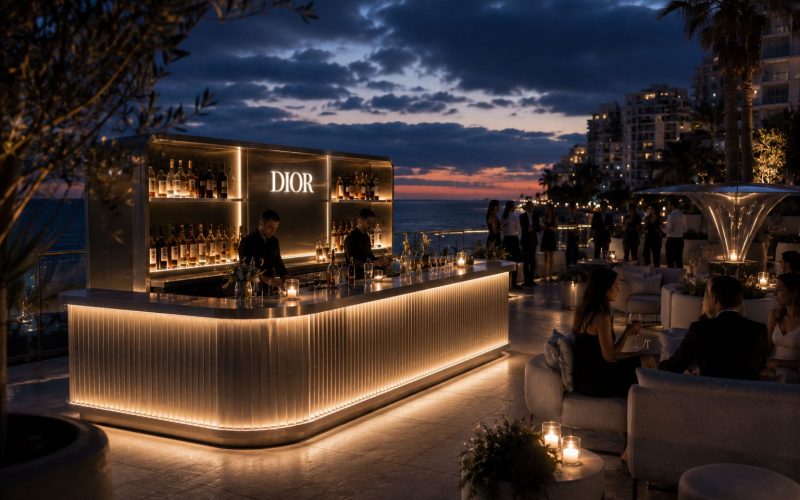
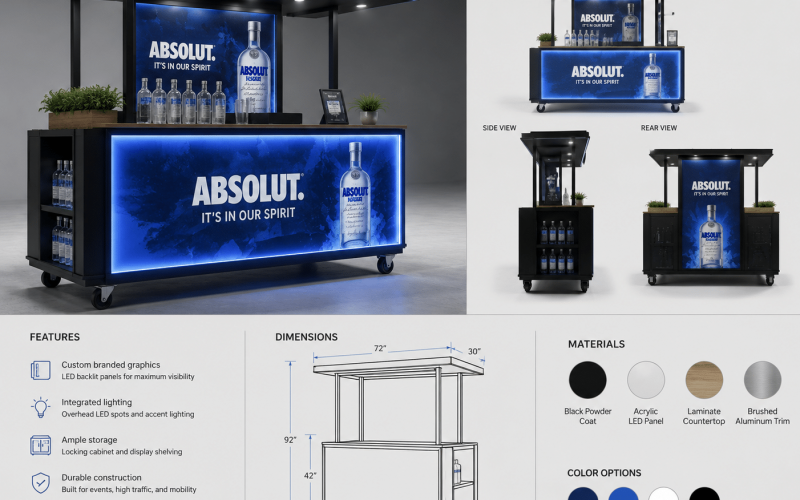
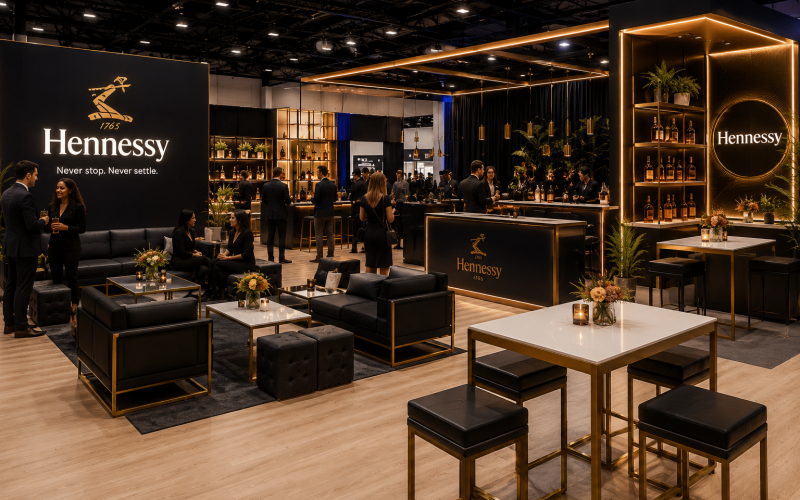
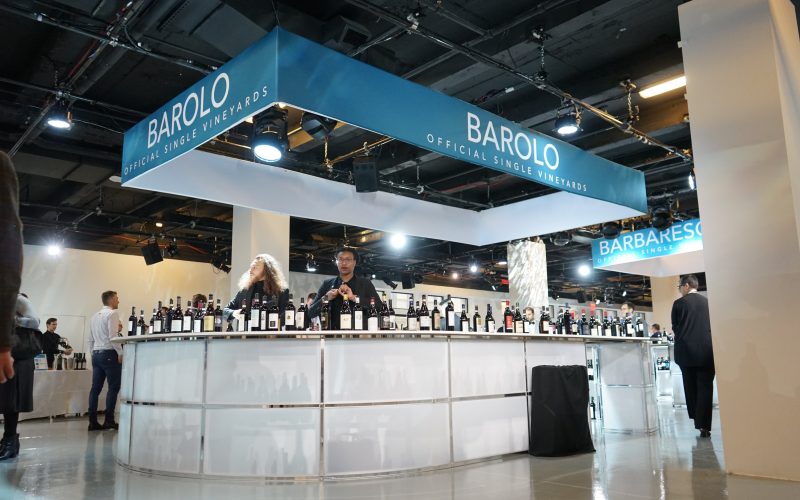
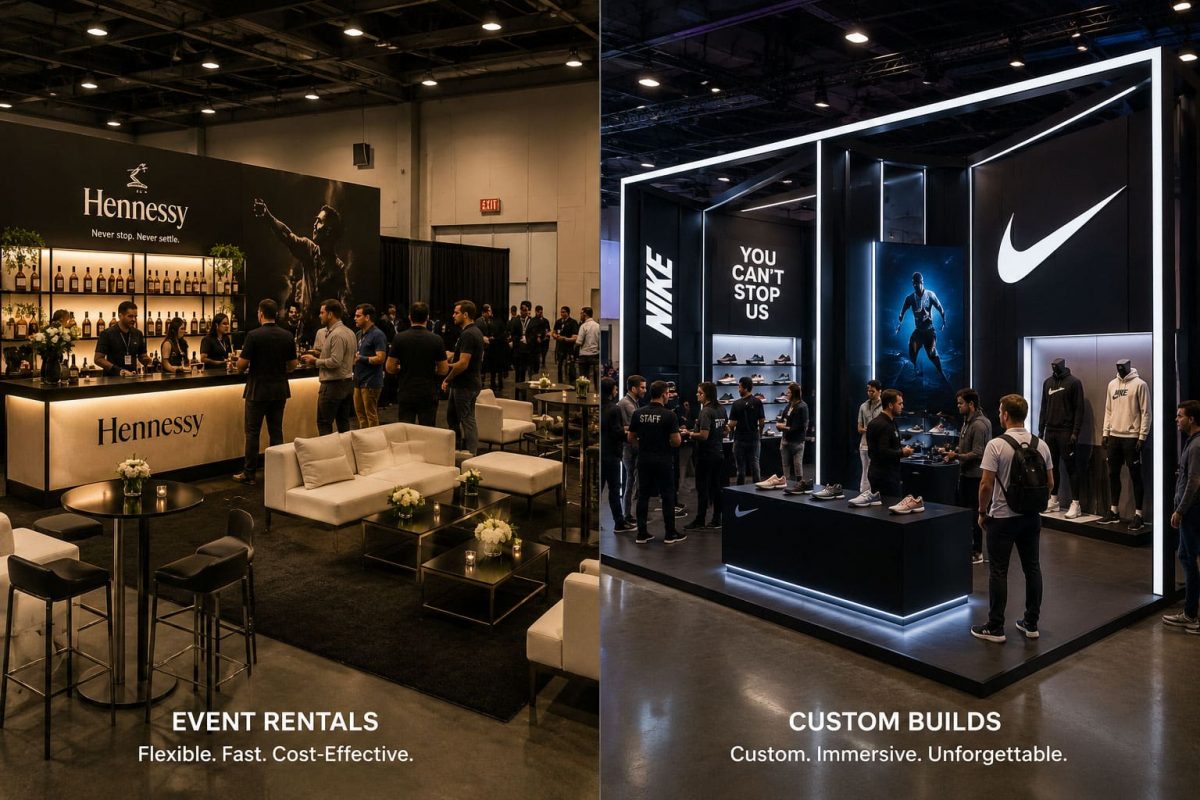
The simplest distinction is ownership and specificity. Event rentals are pre-existing products or modular elements used for a defined period. That can include event furniture, display structures, counters, shelving, bars, seating, or interactive elements that can be branded or configured for the venue.
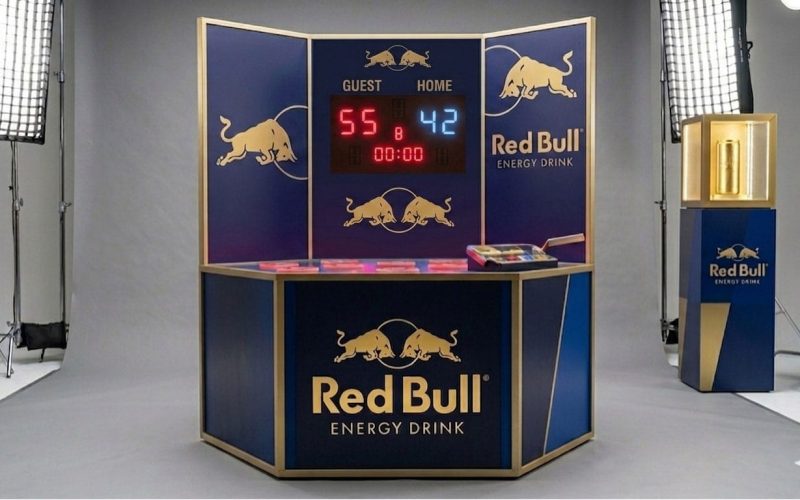
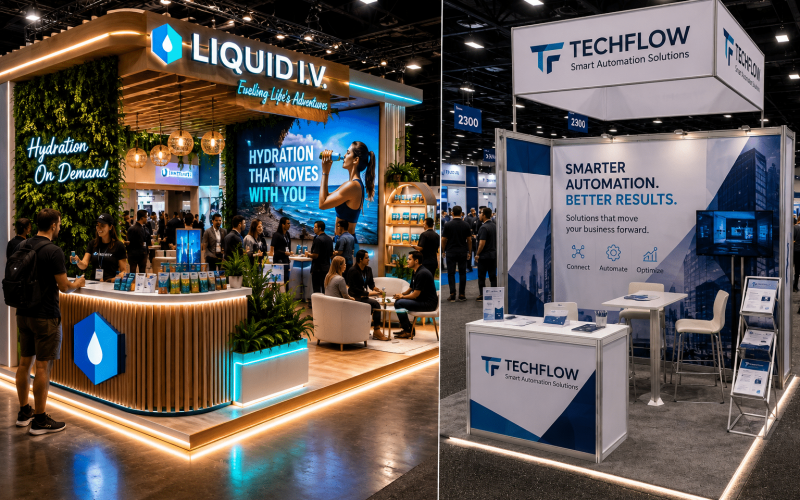
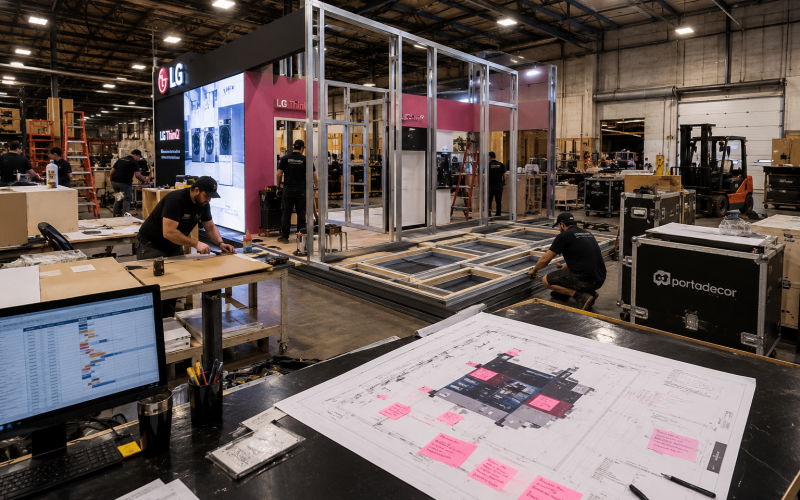
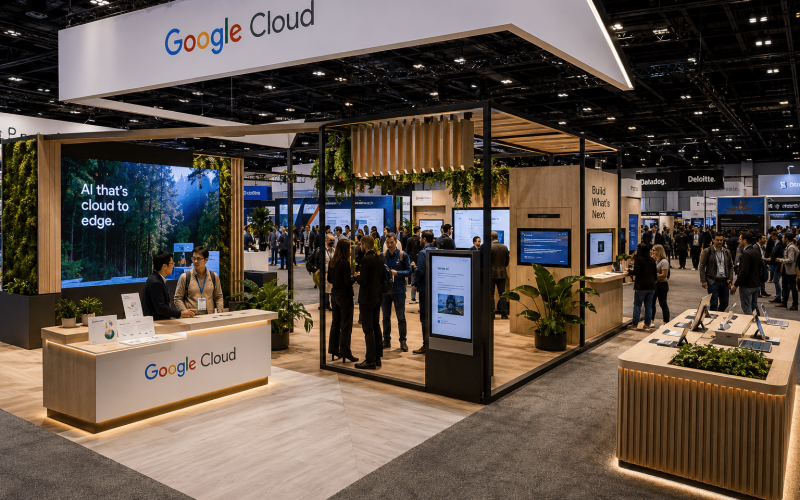
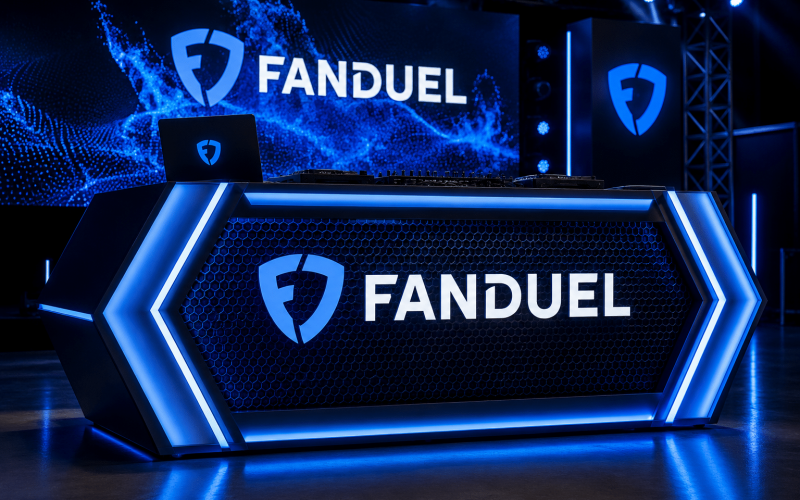
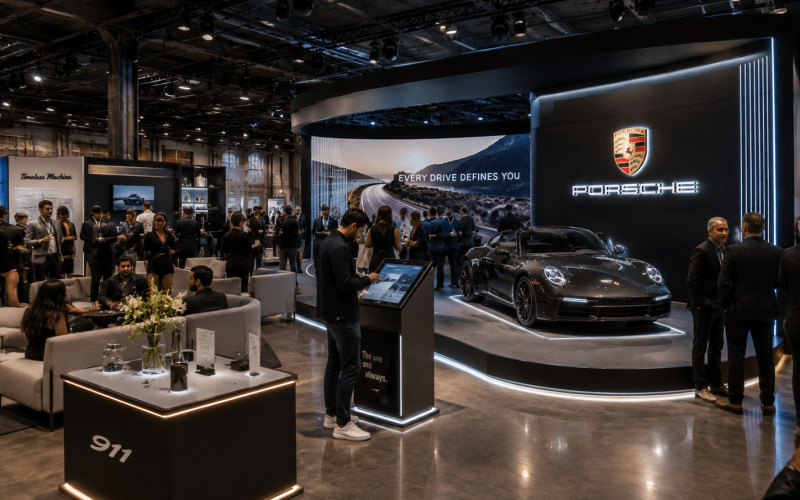
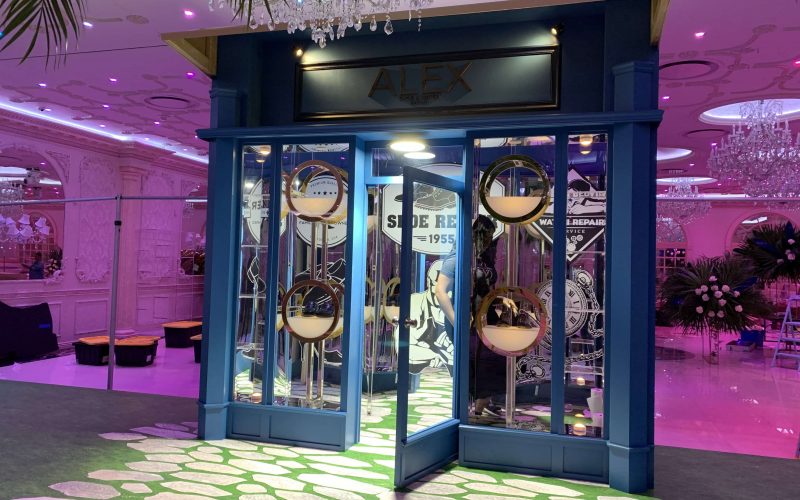
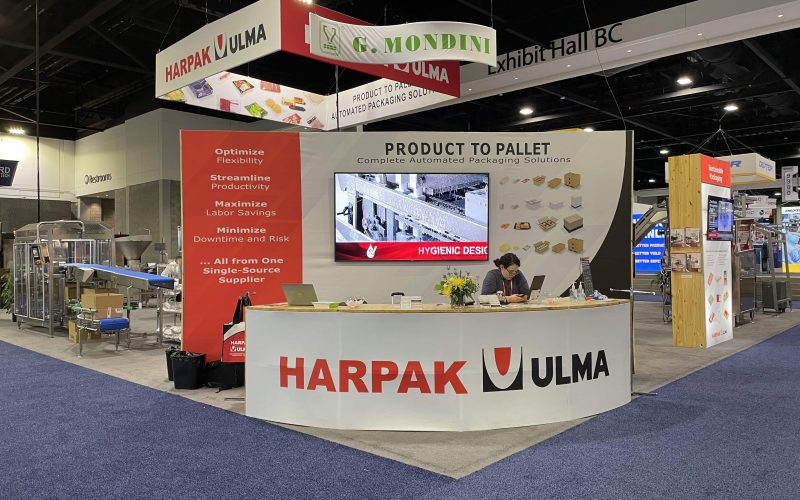
Custom builds are fabricated for a specific concept, brand standard, or event function. They are made to fit exact dimensions, materials, finishes, and user experiences. In a trade show booth or brand activation, that might mean a one-of-a-kind product display, a custom game unit, a branded scenic build, or a fully fabricated booth environment.
What matters in practice is how much flexibility exists before production starts. Rentals ask your concept to work within available inventory and modular formats. Custom fabrication starts with the concept and builds around it.
When event rentals make the most sense
Rentals are often the right answer when timing is compressed and the event scope is straightforward. If a team needs polished event furniture, branded counters, lounge pieces, or supporting elements for a regional activation, rentals can keep the process moving without adding unnecessary fabrication time.
They also work well when the environment does not need to be fully unique to succeed. Many events need function first: guest flow, product sampling, check-in, hospitality, or meeting space. In those cases, a rental package can deliver a professional result while preserving budget for media, staffing, or content.
For one-off programs, rentals also reduce ownership headaches. There is no long-term storage plan, no future refurbishment cost, and no question about what happens after the event closes. That can be especially useful for agency teams managing short-term campaigns across multiple clients.
There is another practical advantage. Rentals can be ideal for events in markets where local support matters. For brands activating in places like New York City, Manhattan, New Jersey, Boston, or Connecticut, having access to rental inventory can simplify transport, setup, and strike.
Where rentals start to show limits
The trade-off with rentals is that they are not built around your brand from the ground up. You can brand them, wrap them, style them, and configure them, but the underlying asset is still shared-format inventory. If the creative concept depends on a very specific form, finish, interaction, or footprint, rental inventory may start forcing compromises.
That is usually where teams feel friction. The renderings show something highly intentional, but the available rental pieces get close rather than exact. Close may be enough for some events. For flagship activations, product launches, or trade show programs where differentiation matters, close can feel off-brand.
Rentals can also become less cost-effective over time. If a brand is repeating the same event environment across multiple stops, repeated rental fees, branding updates, and logistics can add up. At a certain point, the argument shifts from short-term convenience to long-term asset value.
When custom builds are the stronger investment
Custom builds make sense when the environment itself is part of the marketing strategy. If the booth, activation, or display needs to express brand identity in a way that cannot be borrowed from standard inventory, fabrication becomes the stronger path.
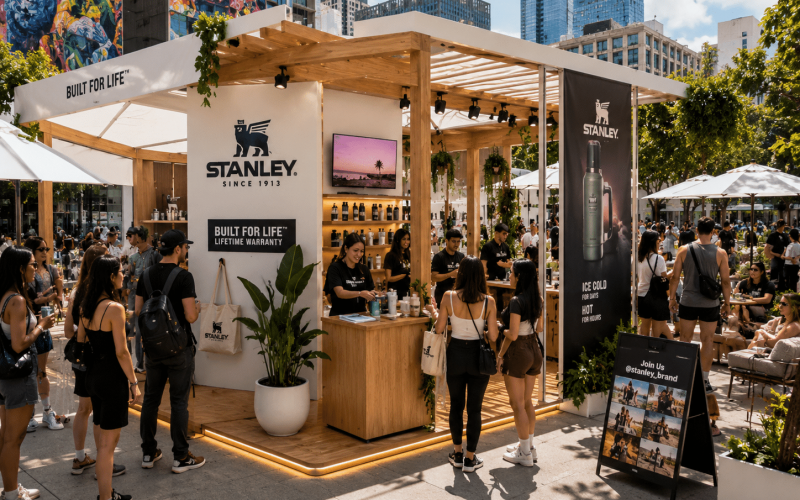
This is especially true for experiential programs where physical design drives engagement. Interactive games, product reveal moments, immersive scenic elements, branded architectural features, and purpose-built trade show booths all benefit from custom fabrication. These are not background pieces. They are often the reason attendees stop, participate, and remember the brand.
Custom builds also give teams more control over performance. A fabricated asset can be engineered around traffic flow, staffing needs, storage, technology integration, product merchandising, and shipping requirements. That level of planning matters when a space has to do more than look good.
For brands with recurring event calendars, ownership can also be a smart business decision. A well-built custom asset can be reused, adapted, and refreshed across multiple campaigns. Instead of starting over each time, the team works from an existing branded foundation.
What custom fabrication requires from the client side
The main trade-off is commitment. Custom projects require more decisions earlier in the process. Materials, dimensions, branding methods, engineering, approvals, and production schedules all need to be aligned before fabrication starts.
That means custom builds are less forgiving when the strategy is still shifting. If the campaign message, venue requirements, or internal approvals are still unstable, the fabrication process can feel heavier than a rental solution. It is not a flaw in the build process. It is simply the reality of making something specific and production-ready.
Budget structure is also different. Custom fabrication usually means higher upfront cost, even when the long-term value is stronger. For procurement teams focused on a single event line item, that can make rentals look simpler at first glance.
Budget is not just about the first quote
One of the biggest mistakes in event planning is comparing rentals and custom fabrication only by initial cost. That is too narrow for most experiential programs.
A rental may have a lower upfront number, but repeated use can raise the total spend quickly. A custom build may cost more to produce, but if it supports multiple shows, tours, or activations, the cost per event can improve over time. The real comparison should include branding updates, labor, crating, storage, refurbishment, shipping, and expected lifespan.
There is also a cost to creative compromise. If a rental-based environment underdelivers on visual impact or attendee engagement, the savings on production may not look so strong after the event. For high-visibility programs, the environment is part of campaign performance.
The middle ground is often the smartest answer
For many brands, the best answer is not rentals or custom builds. It is a combination of both.
A hybrid approach lets teams put fabrication where it matters most and use rentals where flexibility makes more sense. For example, a trade show booth might use a custom branded centerpiece, custom product displays, and fabricated engagement elements, while relying on rental seating, counters, or hospitality furniture. An activation may feature a custom interactive game unit alongside rented support pieces that complete the footprint efficiently.
This approach protects the visual core of the experience without custom-building every component. It also helps teams manage budget while keeping the environment distinct.
A fabrication-first partner is useful here because the recommendation should come from what needs to be unique, what can be modular, and what will hold up operationally on site. That is a more strategic process than simply quoting a package.
How to choose the right path for your event
Start with the role of the environment. If the space is mainly functional, rentals may cover the need. If the space is a core expression of the campaign, custom fabrication deserves stronger consideration.
Then look at repetition. A one-time event often favors rentals unless the concept truly depends on a custom build. A multi-show program, touring activation, or reusable trade show presence often shifts the value toward ownership.
Timeline matters just as much. Rentals can move faster when approved inventory already fits the brief. Custom builds need enough runway for design development, fabrication, finishing, and testing.
Finally, consider brand standards honestly. If your team will be frustrated by near-matches, visible workarounds, or generic formats, it is better to address that upfront. A custom solution usually costs less than trying to force a rental format to behave like a fabricated one.
For experiential teams under pressure to deliver polished, branded physical environments, the smartest choice is the one that matches the campaign objective, not the one that seems easiest on paper. The event only happens once for the audience standing in front of it. Build accordingly.