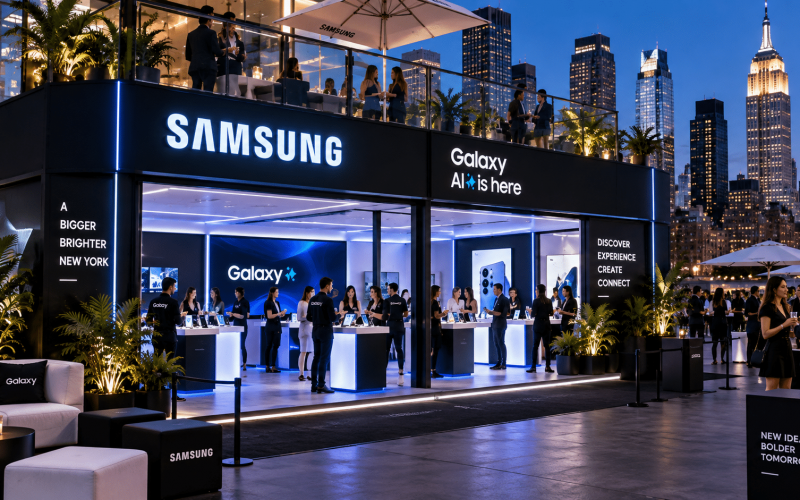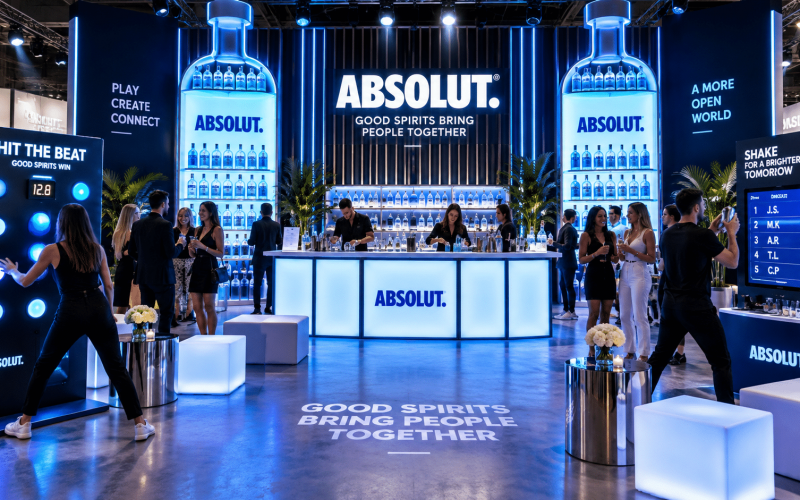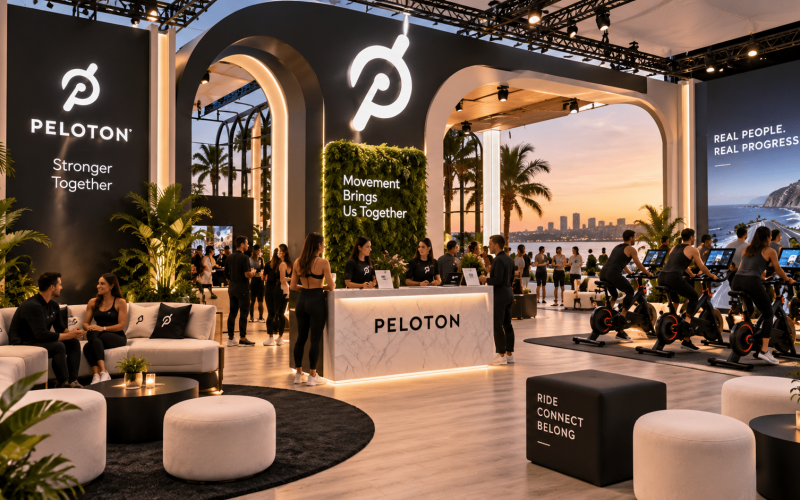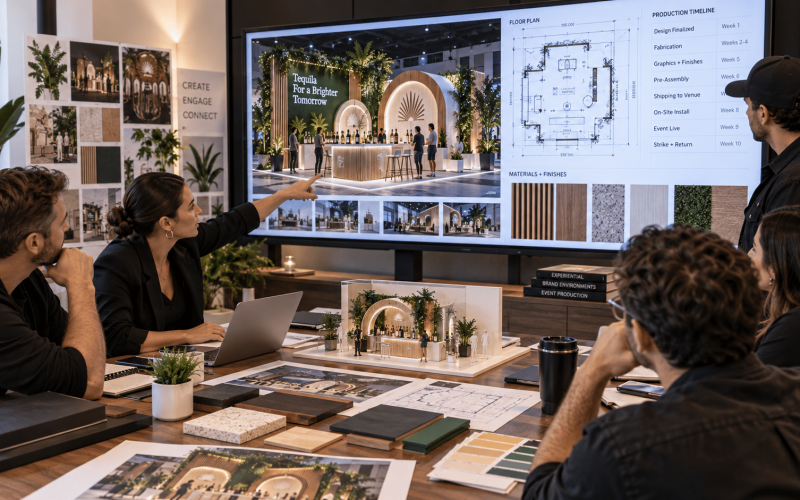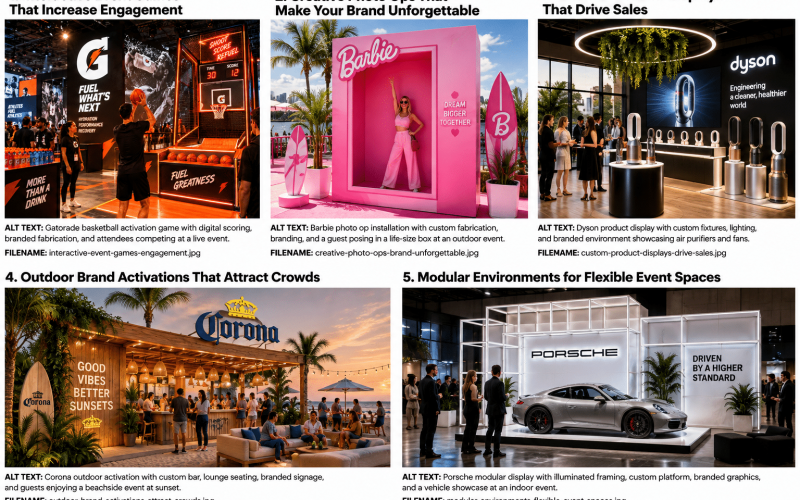
A pop-up that gets foot traffic but no real interaction is just temporary retail with better lighting. The best experiential pop up examples do more than look good – they create a reason to stop, participate, share, and remember the brand after the event ends.
For brand marketers, agencies, and event producers, that distinction matters. A pop-up is often judged in a short window, under real operational pressure, with brand standards, permitting, fabrication, logistics, and audience expectations all in play. Looking at what works in the field can help shape better concepts from the start.
What strong experiential pop up examples have in common
The most effective pop-ups usually combine three things: a clear audience action, a branded physical environment, and a production plan that supports the idea instead of fighting it. If the concept depends on custom product displays, interactive game elements, photo moments, demo counters, branded furniture, or modular scenic pieces, those components need to be designed early, not added at the end.
That is where many activations either gain momentum or lose it. A visually ambitious idea can still underperform if lines back up, staff cannot guide the experience, or the environment is not durable enough for repeated use. On the other hand, a simpler concept can outperform a larger build when the guest journey is obvious and the interaction is easy to complete.
12 experiential pop up examples worth studying
1. Product launch pop-up with live demos
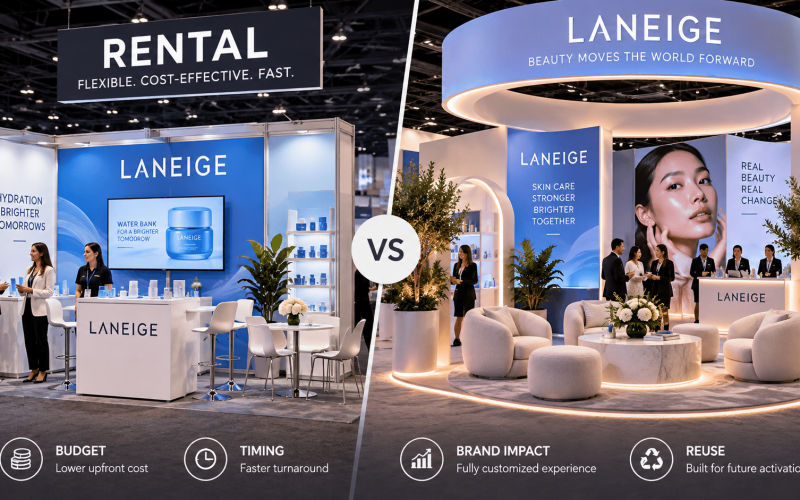
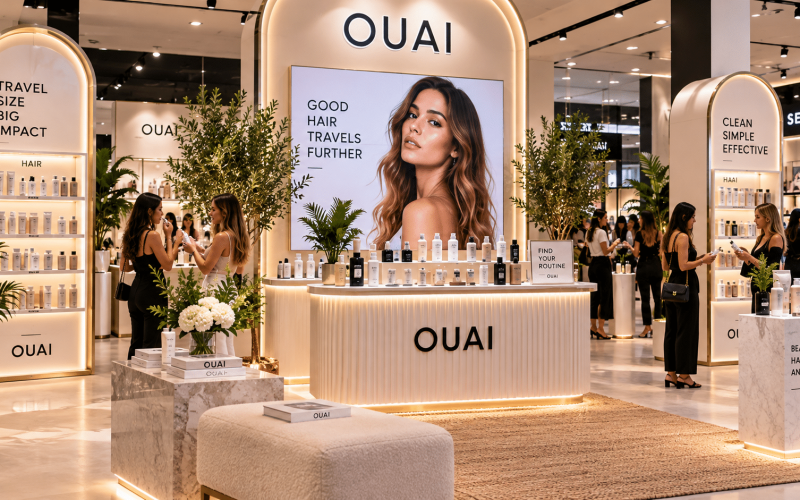
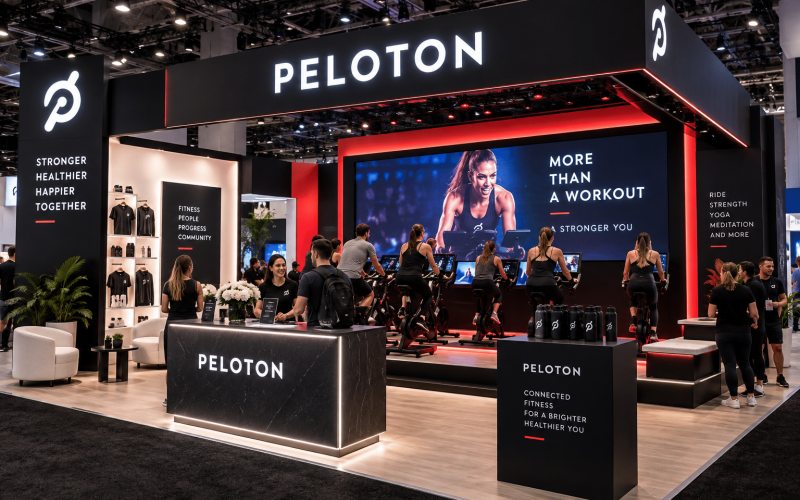
This is one of the most reliable formats because it puts the product at the center while still giving the audience a physical experience. Think beauty testing bars, tech hands-on stations, or food and beverage sampling counters supported by branded walls, custom fixtures, and controlled traffic flow.
What makes this format work is clarity. Guests immediately understand what the brand is offering and what they are supposed to do next. The trade-off is that demo-heavy environments need durable fabrication and careful staffing. If the counters, shelving, or power planning are weak, the experience starts to feel improvised fast.
2. Immersive brand world installation
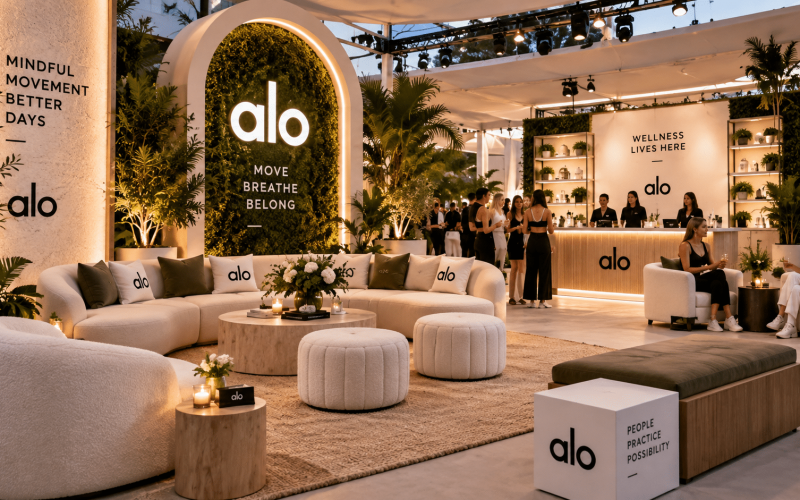
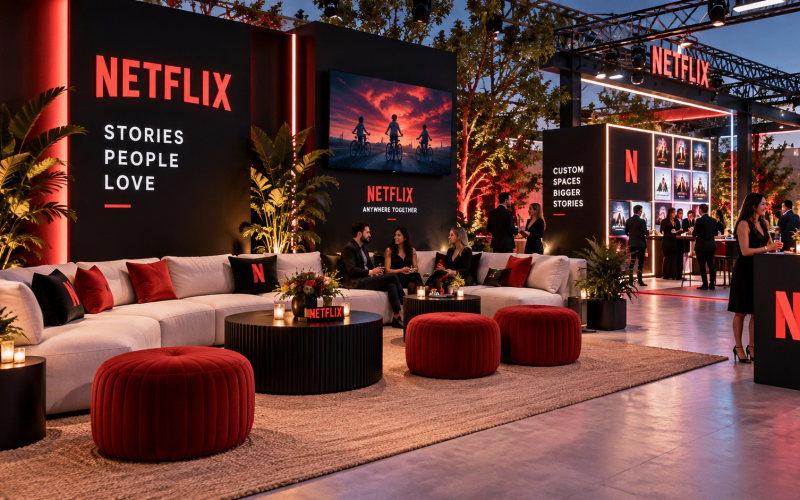
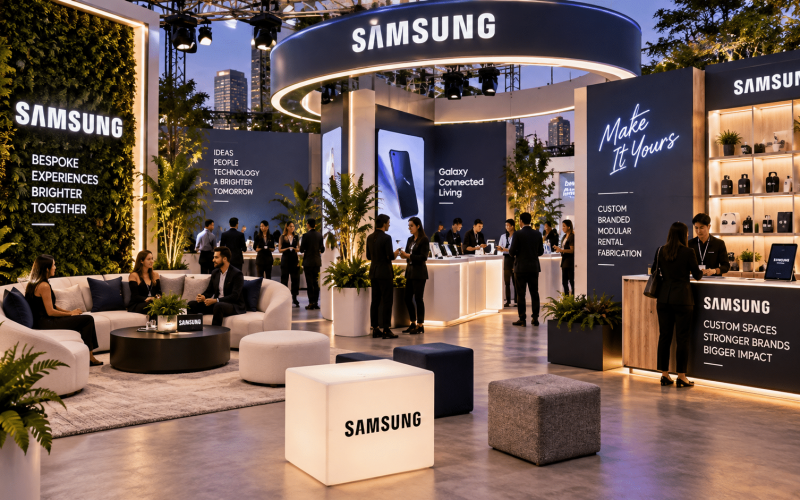
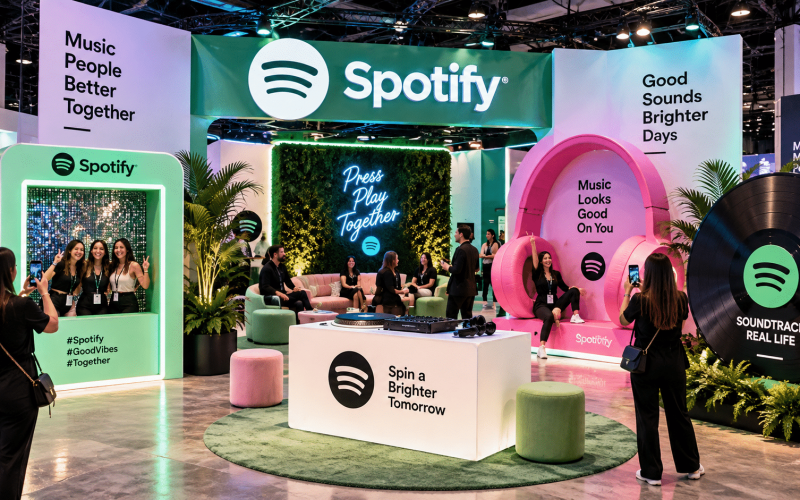
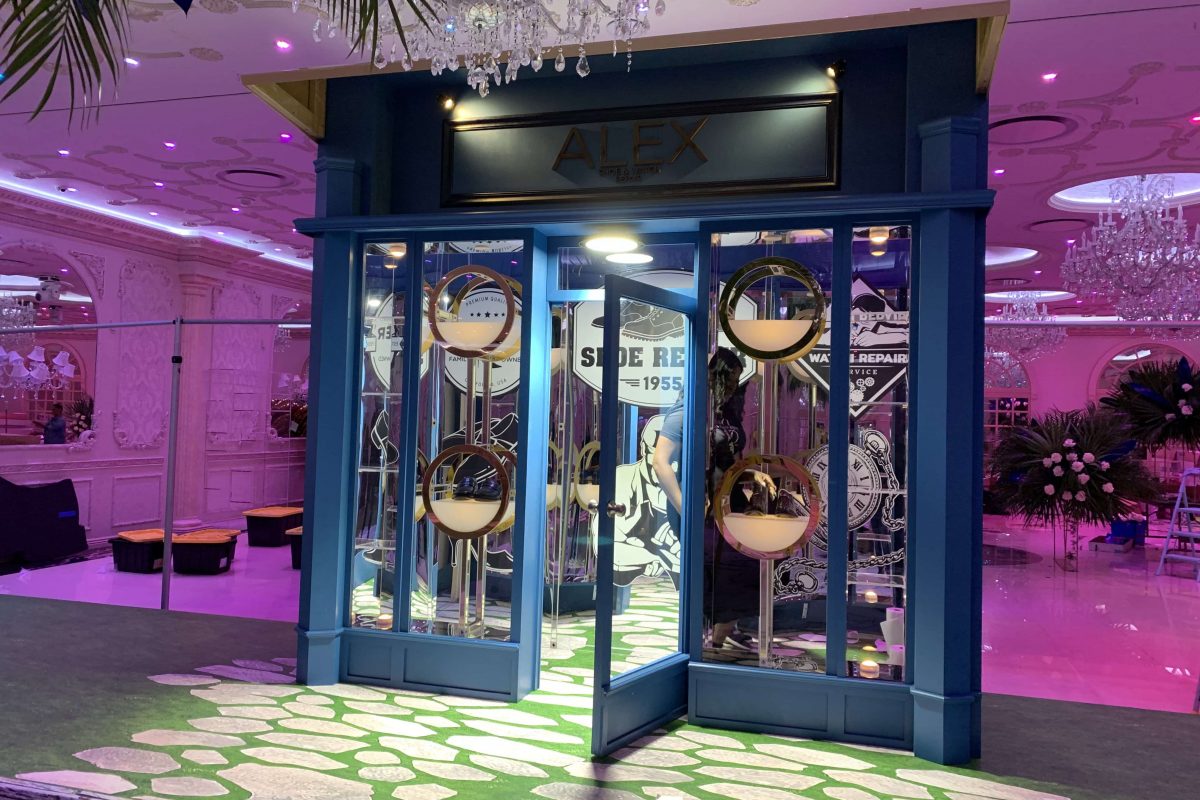
Some of the strongest experiential pop up examples are built around immersion rather than a single product touchpoint. Instead of one station, the brand creates a complete environment with scenic fabrication, lighting, sound, display moments, and layered messaging.
This works especially well for lifestyle brands, entertainment launches, and campaigns built for social sharing. The challenge is cost and complexity. If every surface is customized, fabrication timelines tighten and install labor becomes a bigger factor. The upside is stronger memorability when the environment feels cohesive instead of decorative.
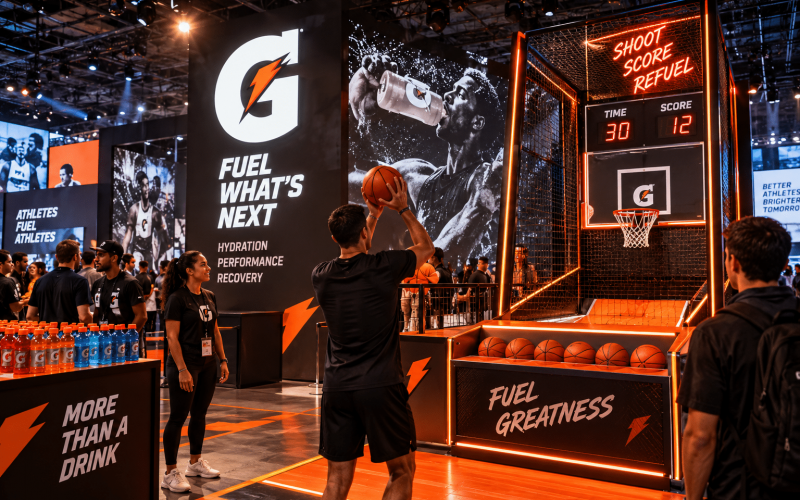
3. Interactive game-based activation
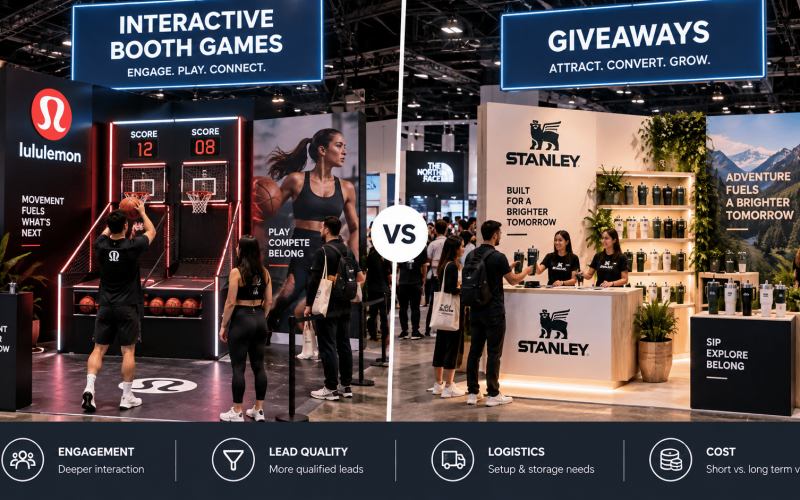
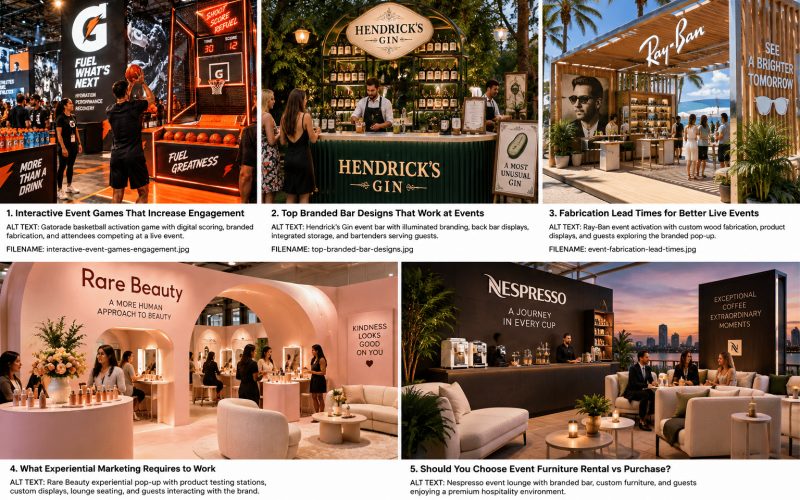
Games remain one of the best ways to drive dwell time. A branded prize wheel, reaction challenge, digital leaderboard, claw machine, or custom physical game can turn passive traffic into active participation.
The best version of this format is not random entertainment. The game should reinforce the campaign message, connect to lead capture, or tie directly to a product benefit. A game that attracts a crowd but says nothing about the brand can create motion without producing much value.
4. Limited-time retail pop-up with experiential layers
Retail-led pop-ups perform well when the purchase moment is supported by interaction. That might mean personalization stations, on-site customization, tasting, product education, or a branded photo area that gives the store a reason to be visited in person instead of online.
This format works because it blends revenue and engagement. It also requires the most operational discipline. Storage, point-of-sale planning, stock access, line management, and ADA-friendly layouts need to be solved before opening day, not on site.
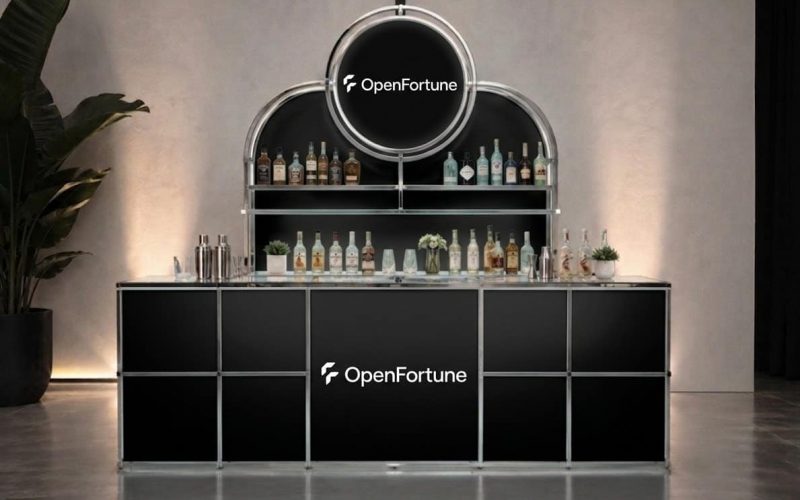
5. Sampling environment with branded hospitality
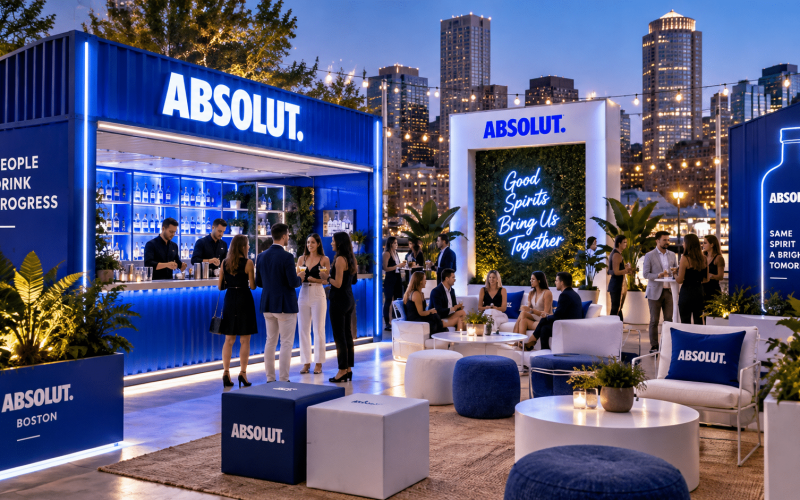
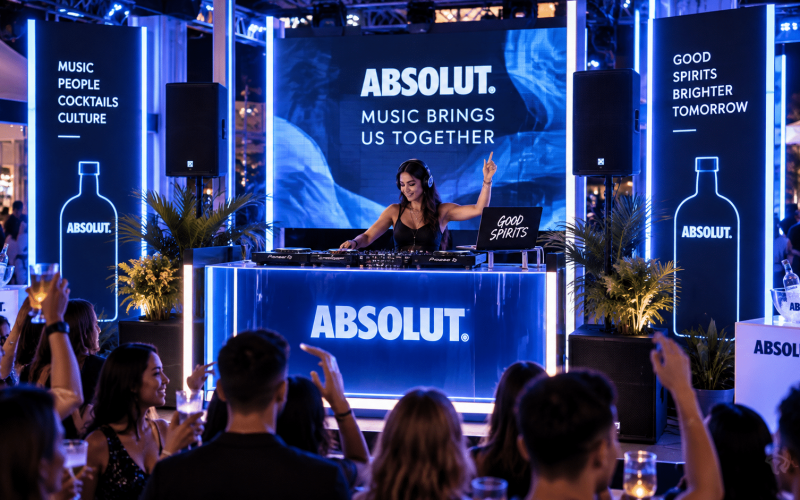
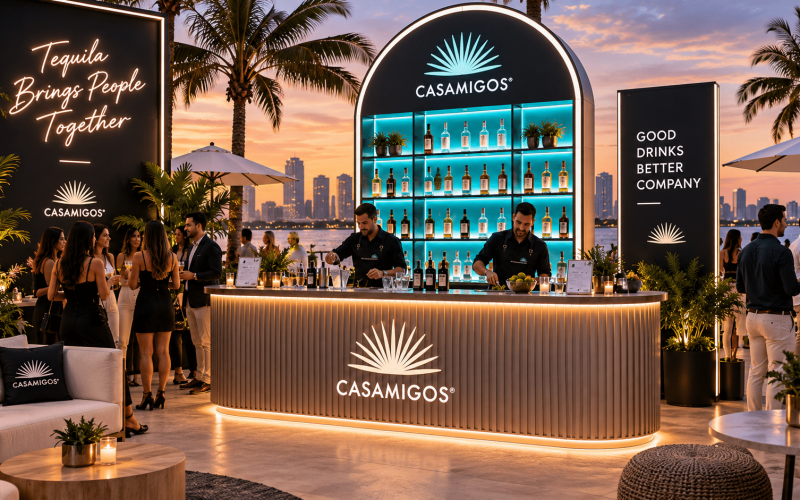
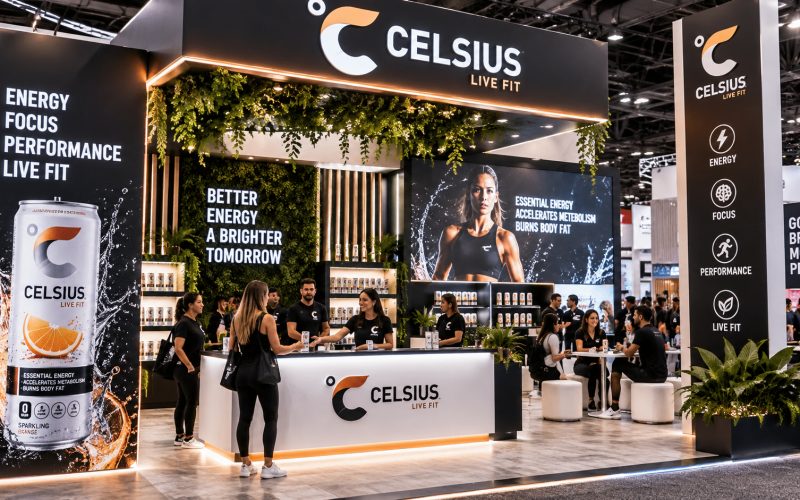
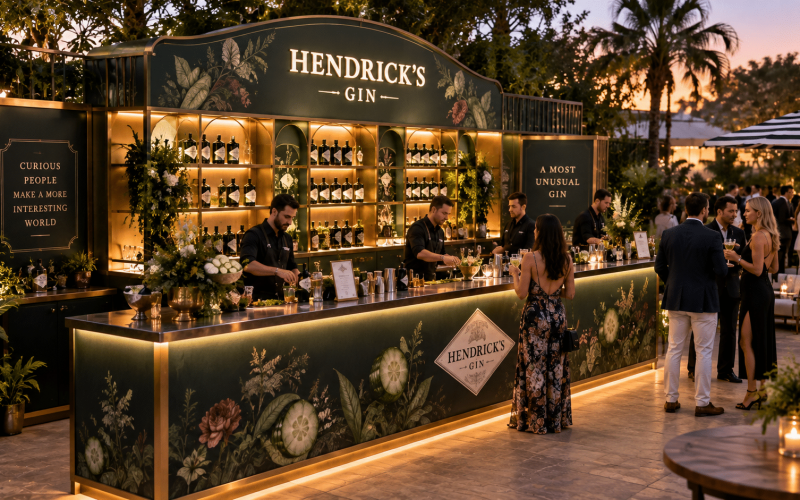
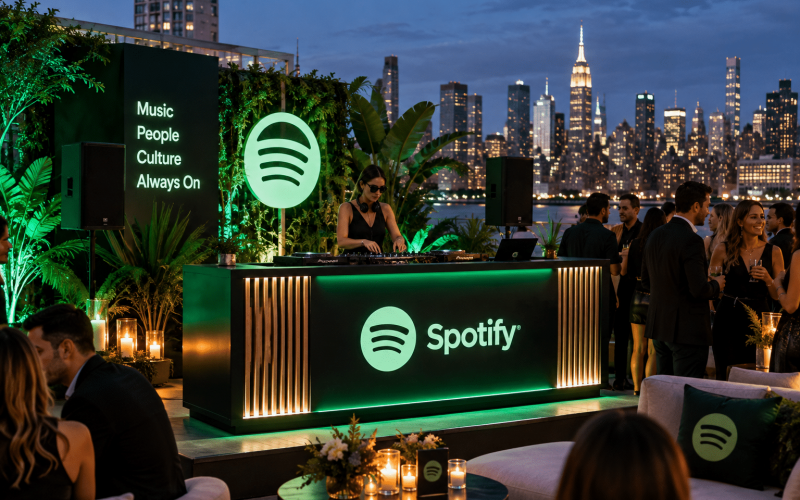
For food, beverage, wellness, and CPG brands, sampling is often the shortest route to conversion. But the physical environment is what determines whether the experience feels premium, forgettable, or chaotic. Branded bars, serving counters, café-style seating, waste stations, and clean back-of-house planning all matter.
Good sampling pop-ups make consumption easy and keep the brand visible at every touchpoint. Poor ones create bottlenecks. The difference is usually in layout and fabrication quality, not just concept strength.
6. Social-first photo and content studio
This format is built to generate earned media. Guests move through one or more designed scenes, create content, and share it across social channels. In practice, that might include custom backdrops, lighting features, oversized props, branded mirrors, or motion-triggered elements.
It can be highly effective for awareness campaigns, especially in dense markets like NYC where competition for attention is constant. The limitation is that visual appeal alone does not guarantee business impact. If the call to action is weak, the brand gets photos but not much follow-through.
7. Educational pop-up for complex products
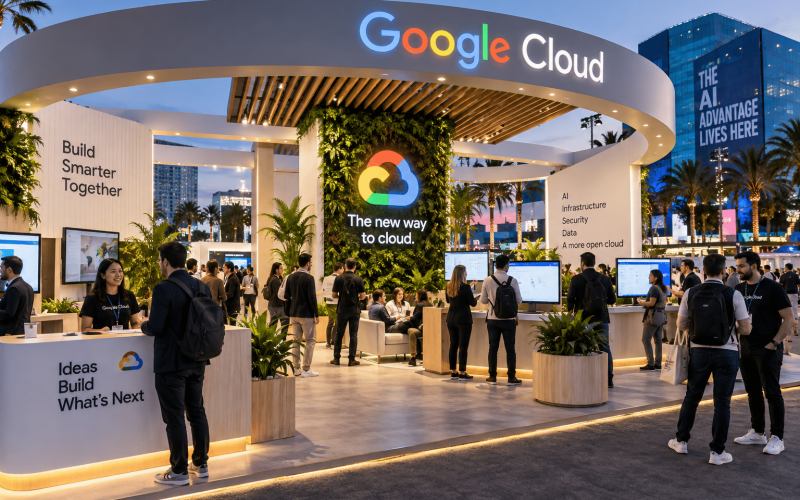
Not every activation should feel like a spectacle. For categories that require explanation – healthcare, finance, sustainability, B2B tech, or high-spec consumer products – an educational pop-up can be more effective than a purely entertainment-driven format.
These spaces often use modular displays, demo kiosks, guided storytelling panels, and consultation areas. The value here is control. A well-designed environment can simplify a complex message and give staff a structured way to move attendees from curiosity to conversation.
8. Personalization station pop-up
Customization creates investment. Whether guests are building a product bundle, engraving an item, selecting colors, printing a takeaway, or creating a made-for-them version of the experience, personalization makes the activation feel more relevant.
This format performs well because it gives people a clear reason to wait. Still, it needs careful production planning. Personalized experiences can slow down quickly if workstations are undersized or if the branded components are not built for efficient use.
9. Mobile pop-up activation
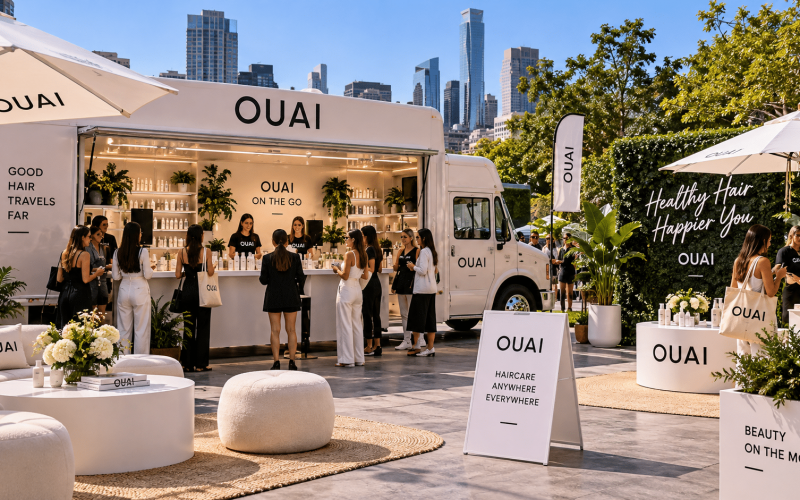
Some brands need flexibility more than footprint. A mobile pop-up, built around transportable branded assets, can move between campuses, city centers, retail partners, festivals, or multi-market tours.
This is where modular fabrication becomes especially important. Components need to pack, ship, install, and reassemble without losing visual consistency. A mobile build that looks great once but degrades across stops will not hold up for a longer campaign.
10. Trade show adjacent pop-up
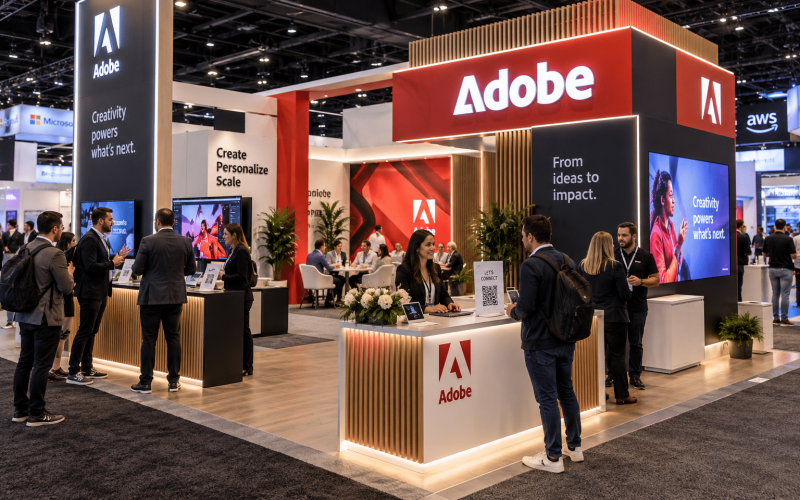
One of the more strategic experiential pop up examples is the off-floor activation timed around a major trade show or conference. Instead of competing entirely inside the booth environment, the brand creates a nearby experience for meetings, demos, hospitality, or product storytelling.
This format gives teams more control over pace and presentation. It also demands tighter coordination, since schedules, transportation, staffing, and attendee communications all affect turnout. When done well, it extends the reach of the trade show booth rather than replacing it.
11. Cause or mission-driven activation
Brands with a strong purpose message sometimes benefit from an activation that invites contribution, not just observation. That could mean interactive pledge walls, donation-linked participation, educational installations, or community-centered programming.
The key is credibility. If the build feels more promotional than authentic, audiences notice. The physical environment should support the cause message with restraint and clarity rather than overproducing it.
12. VIP or invite-only pop-up experience
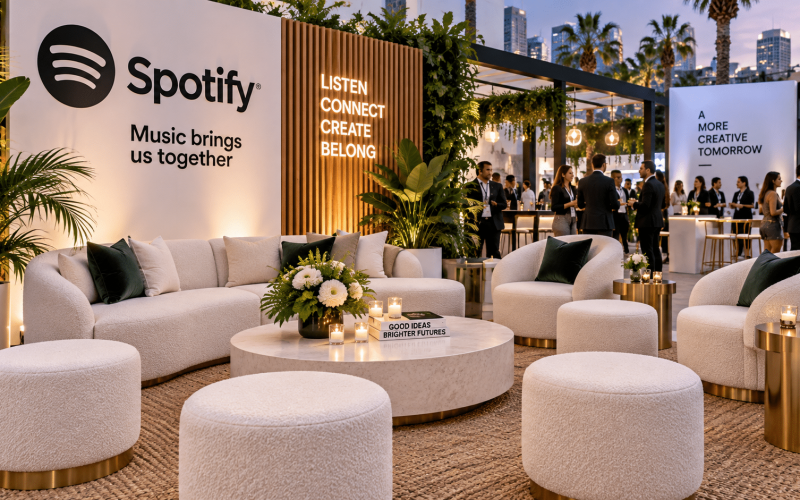
Not every pop-up needs maximum volume. Some are designed for select audiences – media, creators, buyers, partners, or high-value customers. In those cases, the environment can prioritize depth over throughput with lounge seating, guided product moments, branded hospitality, and polished scenic finishes.
This works when relationship quality matters more than crowd size. It also gives brands more freedom to control timing and messaging. The trade-off is reach, so the activation should be measured against the right objective from the start.
How to choose the right experiential pop up example for your brand
The right format depends less on trend and more on objective. If the goal is trial, sampling and live demos usually outperform highly theatrical installs. If the goal is social reach, visual immersion and content-driven moments can be stronger. If the goal is lead generation or buyer education, a guided environment with structured interaction often produces better results than open-ended foot traffic.
Budget also changes the answer. A compact footprint with excellent custom fabrication, clear branding, and one strong interactive element can be more effective than a large but underbuilt space. Smart event producers know that finish quality, guest flow, and repeatability often matter more than square footage.
What these experiential pop up examples mean for production planning
Strong concepts are only half the job. Once the format is chosen, the execution questions get practical quickly: What needs to be custom built versus rented? Which components must ship nationally, and which can be sourced locally? How durable do surfaces need to be? Will the activation live for one weekend, one month, or a multi-city program?
Those decisions shape everything from material selection to install timing. For agencies and in-house teams, the best production partner is usually the one that can translate a creative idea into fabrication-ready components without weakening the brand vision. That includes branded furniture, scenic builds, display fixtures, interactive structures, and event elements that are designed for real use, not just renderings.
When teams study experiential pop up examples, the goal should not be to copy a format. It should be to understand why certain environments earn attention and why others convert it. The strongest pop-ups are the ones built with the audience, the brand, and the physical realities of live execution all accounted for at the same time.
If you are planning a pop-up, start with the action you want people to take, then build the environment that makes that action feel obvious, branded, and worth their time.