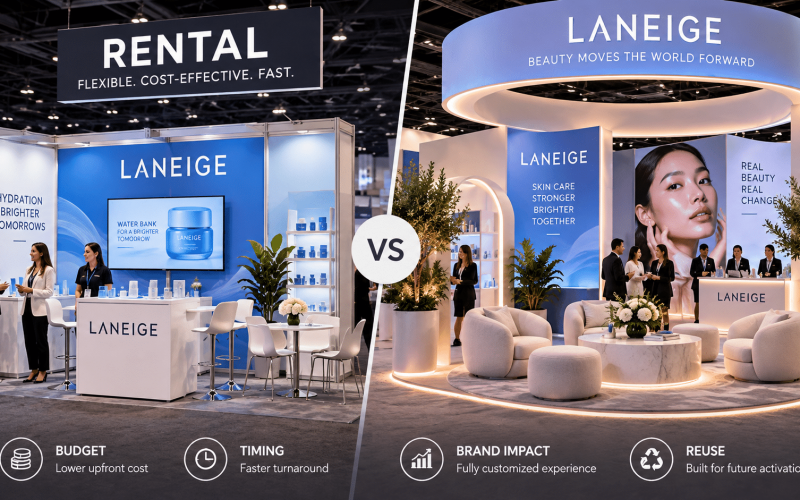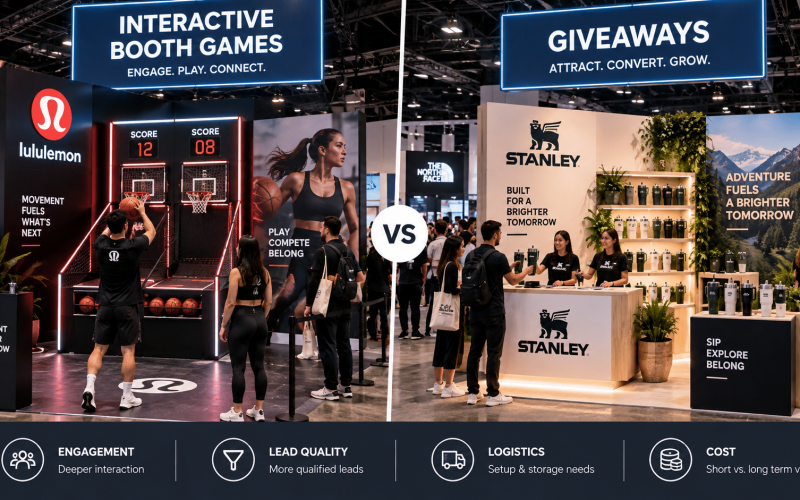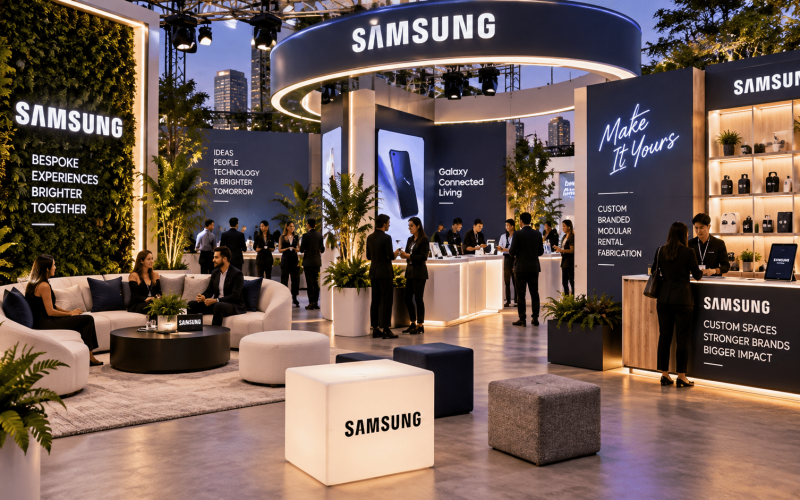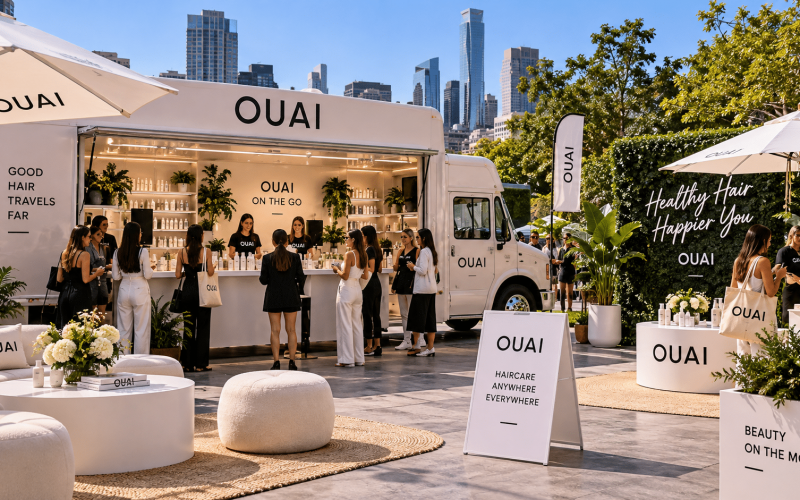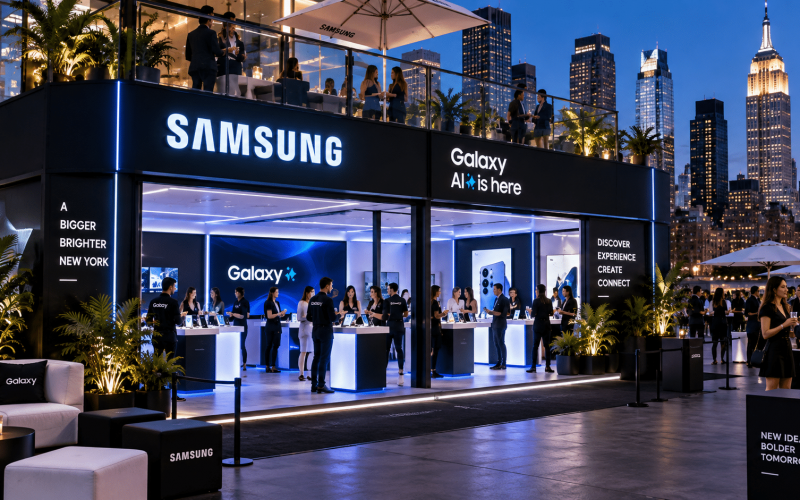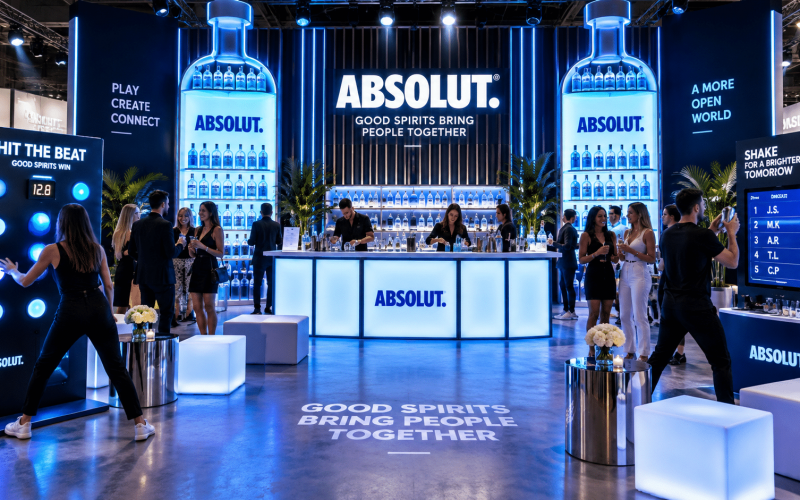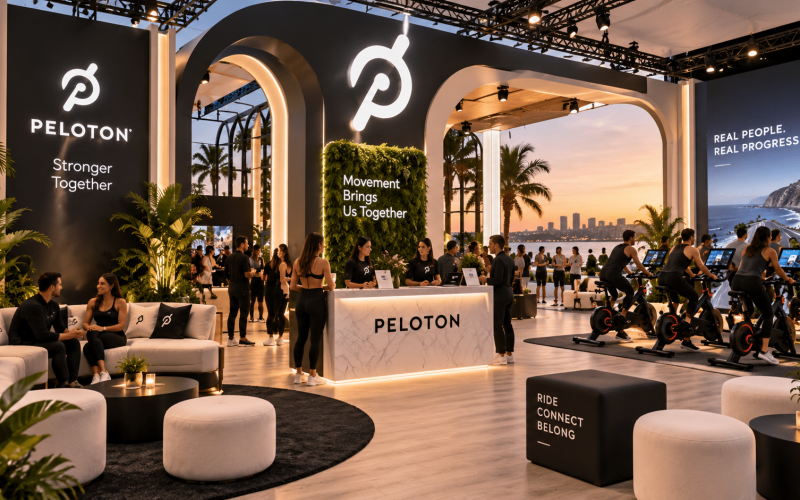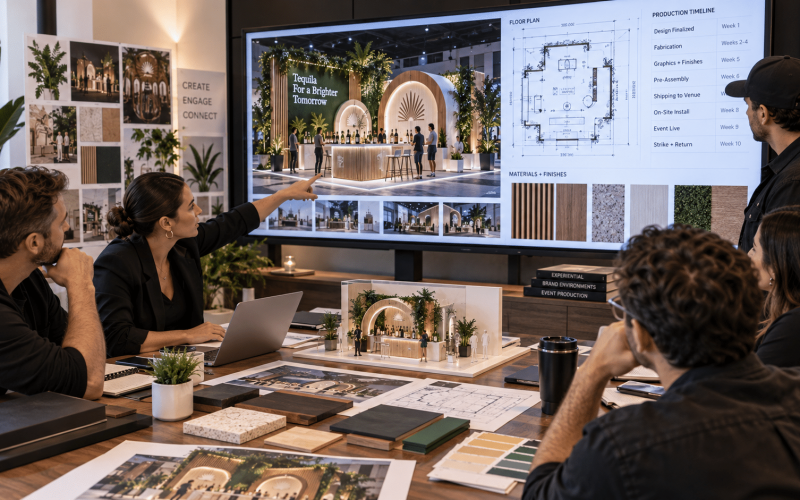
A product can be technically impressive and still disappear in a crowded event environment. The difference is often the physical experience built around it. The right top product launch props give attendees a reason to stop, interact, take a photo, and remember what they saw after the event floor has cleared.
For marketing teams and agencies, props are not decoration added at the end of a launch plan. They are working event assets. They shape the reveal, direct traffic, support product education, and turn brand positioning into something guests can physically experience.
What Makes a Product Launch Prop Worth Building?
A strong launch prop has a job beyond looking good. It should make the product easier to understand, more compelling to photograph, or more natural to engage with. The best assets often do all three, but trying to force every function into one oversized centerpiece can create a cluttered activation.
Start with the moment that matters most. Is the goal a timed reveal for media and VIPs? A high-volume demo at a trade show? A social-first pop-up where guests create and share content? Each objective calls for a different prop strategy.
Scale matters too. A prop that photographs well in a creative rendering may block sightlines, overwhelm a small footprint, or take too long to reset between guest interactions. Fabrication should account for the venue, crowd flow, transportation, assembly, staffing, and teardown from the beginning.
Top Product Launch Props for High-Impact Events
Oversized Product Replicas
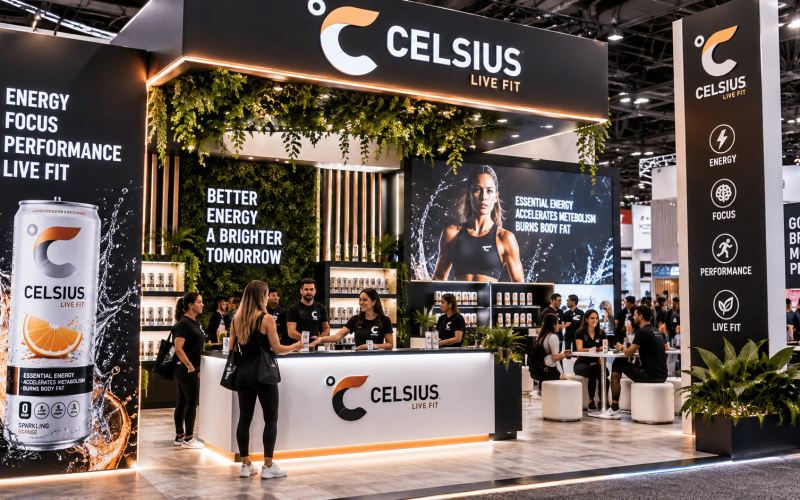
An enlarged version of the product remains one of the most effective launch assets because it makes the message immediately legible from across a room. A giant bottle, device, sneaker, package, or product component can become the visual anchor for a pop-up, media event, or trade show booth.
The execution determines whether it feels premium or promotional. Clean finishes, accurate proportions, integrated lighting, and concealed structural support matter. For technology, beauty, food and beverage, and consumer packaged goods brands, a replica can also create a defined photo opportunity without requiring a separate backdrop.
There is a trade-off: oversized props are highly visible but can consume valuable floor space and shipping budget. They work best when the launch needs one unmistakable hero image.
Reveal Walls and Branded Product Plinths
A reveal wall creates anticipation and gives the product a controlled entrance. It may use sliding panels, pivot doors, light boxes, curtain systems, or a layered architectural facade that opens at the key launch moment. Unlike a standard step-and-repeat, it is designed around movement and timing.
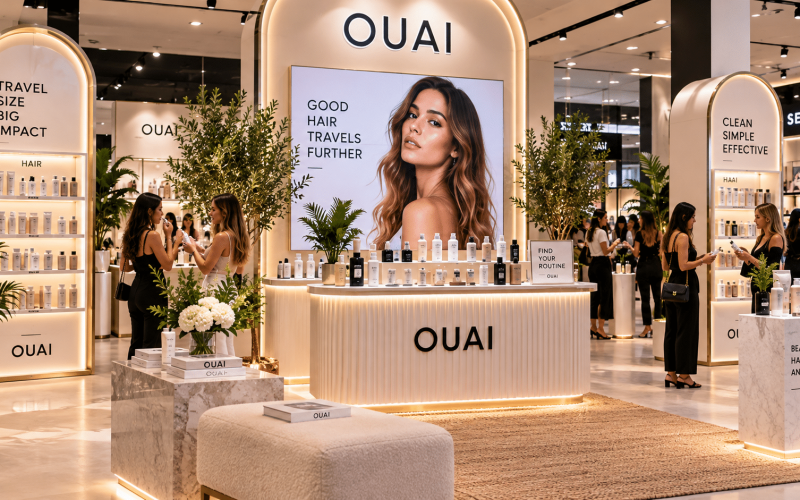
Product plinths serve a quieter but equally important role. They elevate the item, establish hierarchy, and keep the display camera-ready throughout the event. Custom plinths can incorporate brand colors, edge lighting, locked storage, demo power, or replaceable graphic panels for multiple product variants.
These props are particularly useful for press previews and retail-style launches where the product itself needs to remain the focal point. The display should frame the item, not compete with it.
Interactive Demo Stations
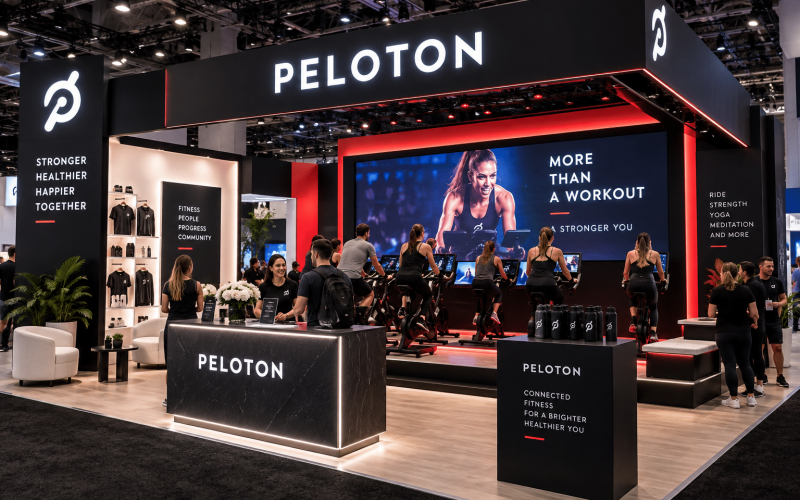
For products that benefit from explanation, interactive stations convert passive attention into meaningful engagement. A station might include a touchscreen quiz, a live product test, a customization tool, a sampling counter, or a guided comparison between old and new product features.
The physical enclosure is part of the experience. Custom cabinetry can protect technology, manage cables, provide storage, and make the interaction feel intentional rather than improvised. It also gives event staff a clear workstation for helping guests move through the demo.
Keep the interaction short enough for real event conditions. A five-minute demo may work for a scheduled appointment, but a busy convention floor often calls for a 30- to 90-second experience. Design the station around the actual throughput required, not an idealized guest journey.
Photo Moments With a Product Connection
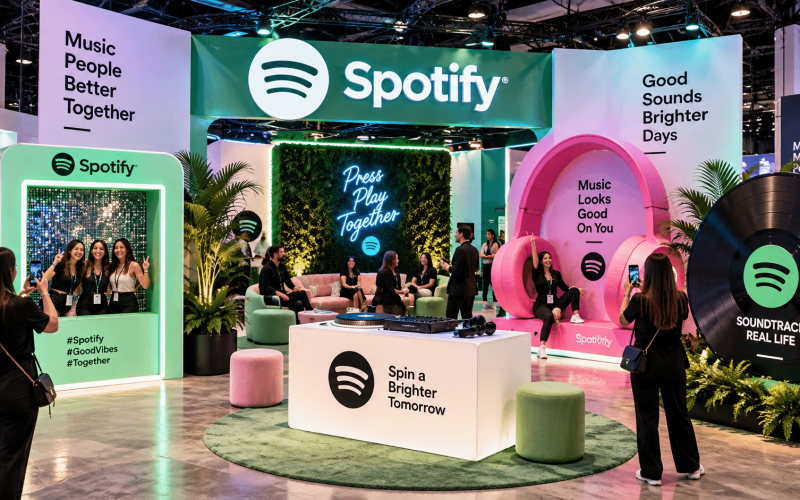
A photo moment earns its footprint when it reflects a product truth. A scenic installation, dimensional logo, mirrored set, branded swing, faux environment, or illuminated frame can attract traffic, but it needs a clear relationship to the launch message.
For example, a skincare launch may use an oversized texture wall that references the product’s finish. A travel product may place guests inside a stylized destination scene. A beverage launch may build a chilled, color-saturated environment that makes the product feel refreshing before anyone takes a sample.
Avoid generic photo backdrops that could belong to any brand. The strongest social content comes from a setting that attendees cannot easily recreate elsewhere and that makes the product recognizable even when the logo is partially out of frame.
Gamified Launch Elements
Games are useful when they support a clear business outcome, such as product education, lead capture, sampling, or prize distribution. Custom prize wheels, claw machines, reaction games, digital kiosks, and skill-based challenges can all create energy around a launch.
The game mechanic should be simple enough to explain at a glance. If guests need a long briefing, the line will slow and the brand message will get lost. A well-built game includes obvious instructions, durable play surfaces, branded prize storage, and a plan for resetting between participants.
Gamification is not right for every launch. A luxury product reveal or a technical B2B introduction may require a more refined, consultative environment. In those cases, interactive displays, product lounges, and premium hospitality furnishings may accomplish more than a high-energy game.
Branded Bars, Sampling Carts, and Hospitality Pieces
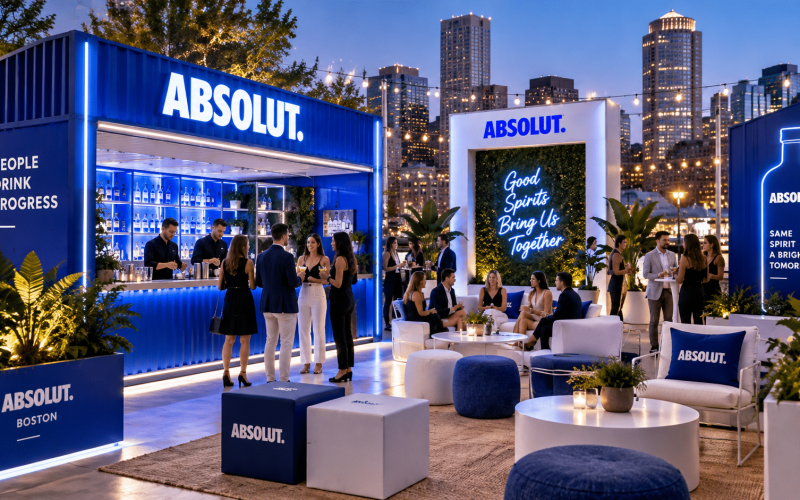
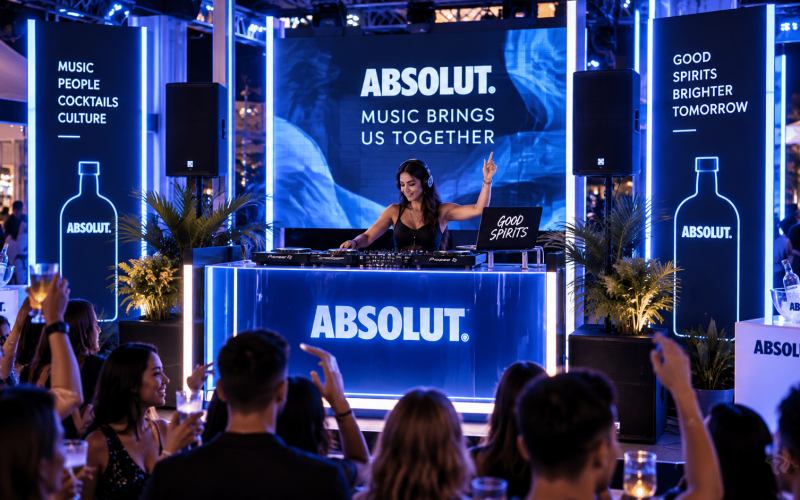
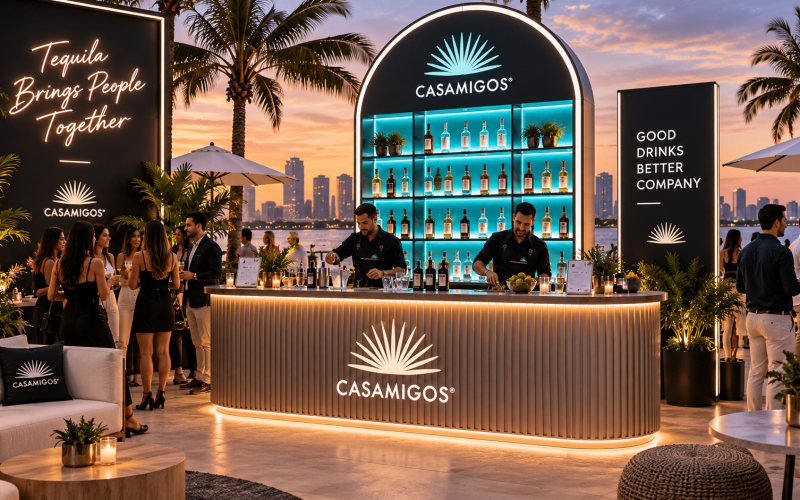
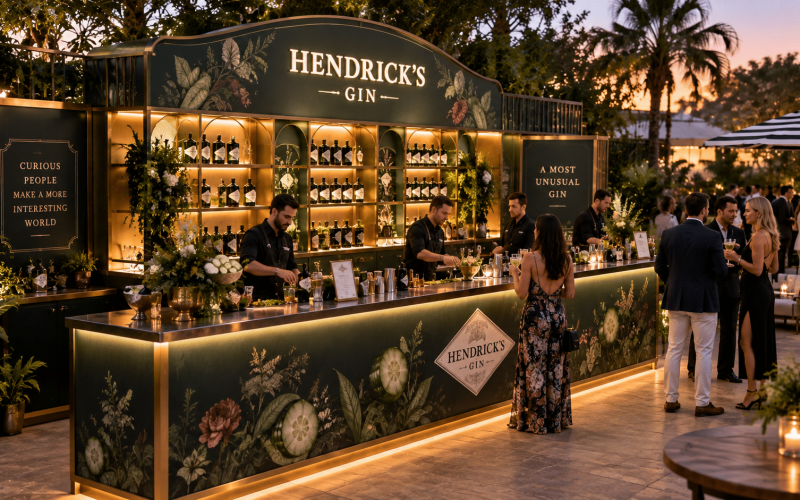
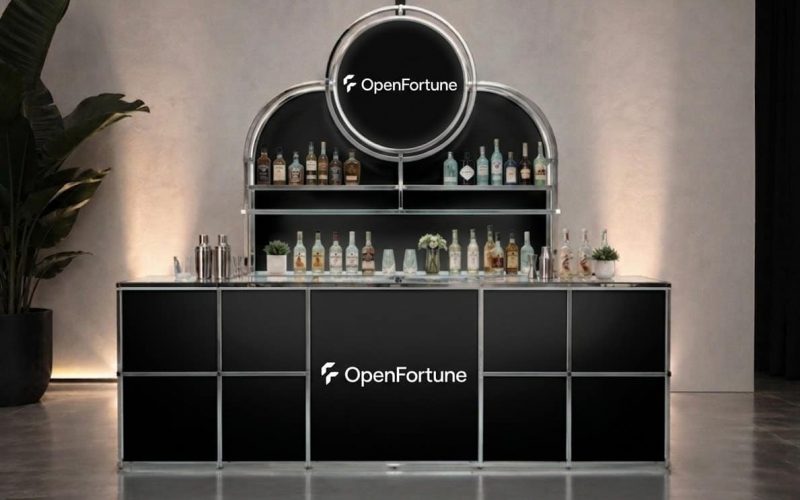
Food, beverage, and hospitality are often where product launches become memorable. A custom bar, tasting counter, service cart, or display case turns sampling into a branded encounter instead of a handoff from a folding table.
These assets need to perform operationally. Consider food-safe surfaces, refrigeration needs, waste management, handwashing requirements, staff access, and replenishment storage. A visually polished bar that cannot handle peak service volume will frustrate guests and staff alike.
For multi-market campaigns, modular hospitality pieces can provide a better return than a one-off scenic build. Interchangeable graphics and adaptable countertop components allow the same core asset to travel across launches, retail events, and trade show programs.
Design the Prop System, Not Just the Hero Piece
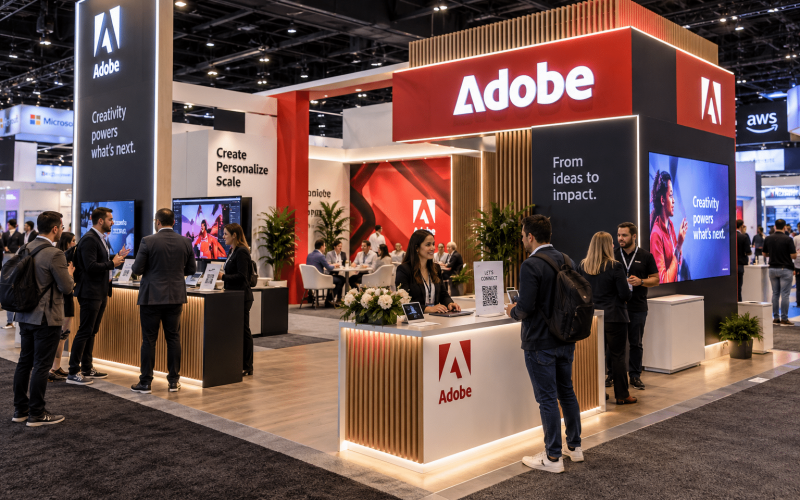
The hero prop gets attention, but the surrounding environment determines whether the activation functions. Plan the full system: entry point, queue, product reveal, engagement zone, staff position, photo moment, and exit or conversion point.
This approach prevents a common problem in launch production: a standout centerpiece with no place for guests to gather. It also identifies where smaller fabricated elements add value. Branded counters, stools, directional signs, charging surfaces, storage cabinets, and display risers may not lead the creative concept, but they make it easier to execute professionally.
Portadecor approaches custom products as part of this larger event system, building assets that align with the creative direction while addressing the practical needs of live use. That includes finish durability, shipping configuration, installation requirements, and how the brand experience will operate under pressure.
Ask These Questions Before Fabrication Starts
Before approving a concept, confirm what success looks like in measurable terms. A prop designed to generate 500 pieces of user-created content needs different sightlines and staffing than one designed for 40 media interviews. A product demo asset needs different power and storage considerations than a visual reveal.
Also establish how long the asset needs to live. A one-night premiere may justify specialty finishes and a complex scenic build. A national tour calls for modular construction, serviceable parts, protective cases, and components that can be installed repeatedly without losing their visual quality.
Finally, involve fabrication early enough to protect the idea. Experienced production input can identify structural limitations, code considerations, material alternatives, and cost drivers before the concept reaches a point where changes feel disruptive. Early collaboration typically produces a better asset and a more predictable event budget.
Make the Product the Reason People Stop
The most effective launch props do not distract from the product. They make its value easier to see, touch, test, and share. Whether the right answer is a giant replica, an interactive demo, a premium reveal wall, or a complete branded environment depends on the audience and the launch objective.
Build the physical experience around the behavior you want to create. When guests can immediately understand where to go, what to do, and why the product matters, the prop becomes more than event scenery. It becomes part of the launch itself.