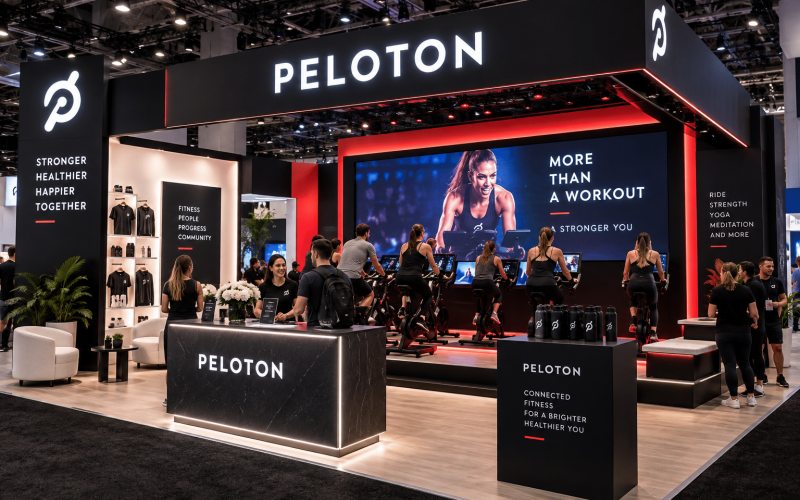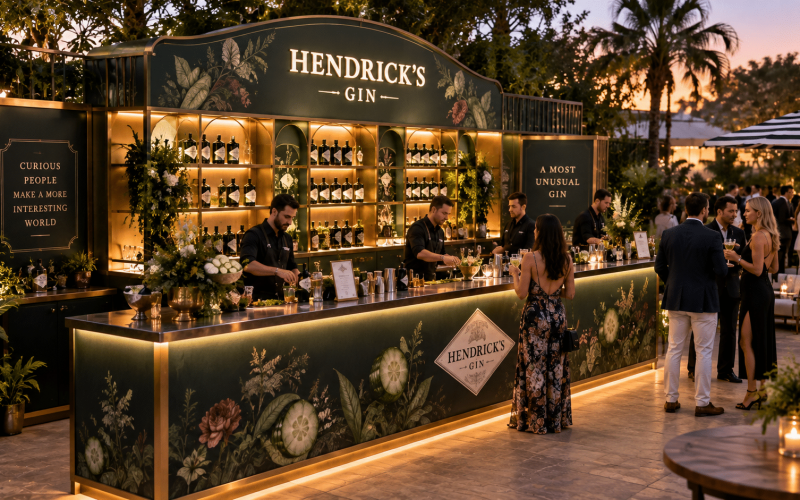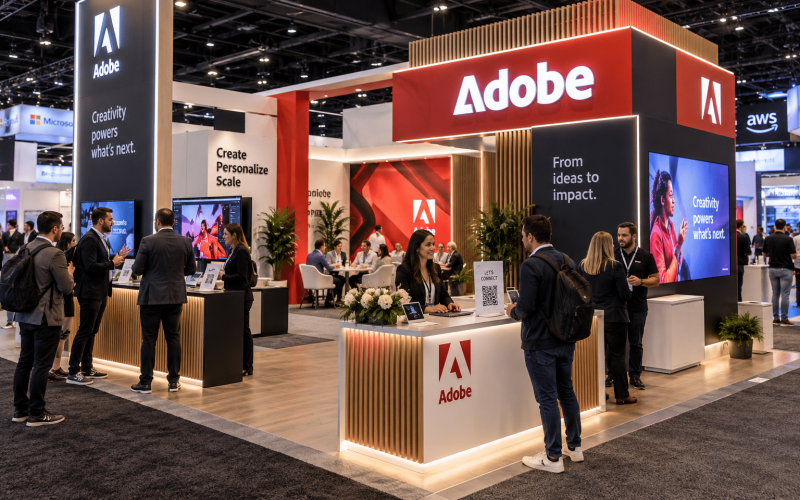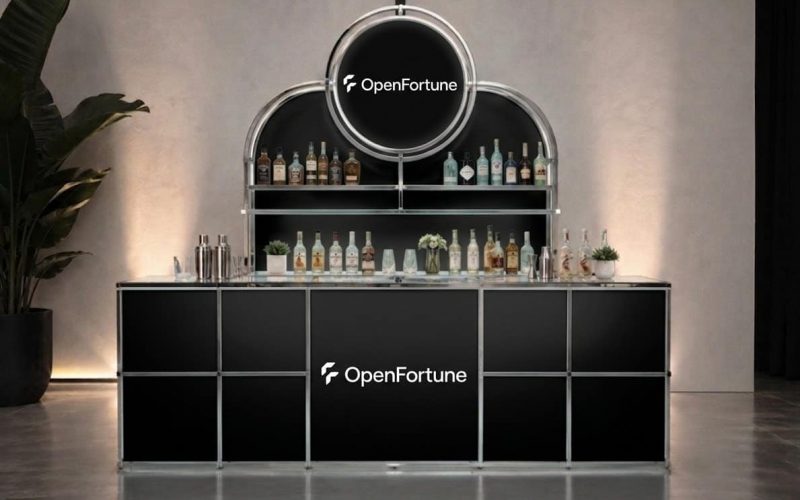
A great concept can lose its impact the moment it meets a loading dock, a tight venue entrance, uneven pavement, or a six-hour event window. Mobile brand activations succeed when the creative idea is designed around those field conditions from the start. The goal is not simply to bring a branded setup to multiple locations. It is to deliver a consistent, engaging experience that can travel, install, operate, and reset without compromising the brand.
For marketers, agencies, and event producers, mobility adds both reach and complexity. A touring activation can place a product experience in front of audiences at festivals, campuses, retail centers, sporting events, trade shows, and public spaces. But each stop introduces variables: footprint restrictions, local requirements, power access, weather, staffing, freight, and audience flow. The strongest programs account for those realities before fabrication begins.
Mobile Brand Activations Begin With Route Realities
A mobile activation should be built around its route, not just its first event. A compact footprint may be essential for urban stops, while a larger festival setup may justify a more expansive structure. If the program needs to work in both environments, the physical system should be modular enough to scale without looking incomplete.
Start by defining the conditions that will repeat across the tour. Consider whether the activation will be indoors, outdoors, or both; whether guests will queue, browse, compete, or attend a scheduled demonstration; and how long each event allows for load-in and strike. A concept that requires eight crew members and a full-day installation may be appropriate for a flagship event, but it may not be viable for a 20-city schedule.
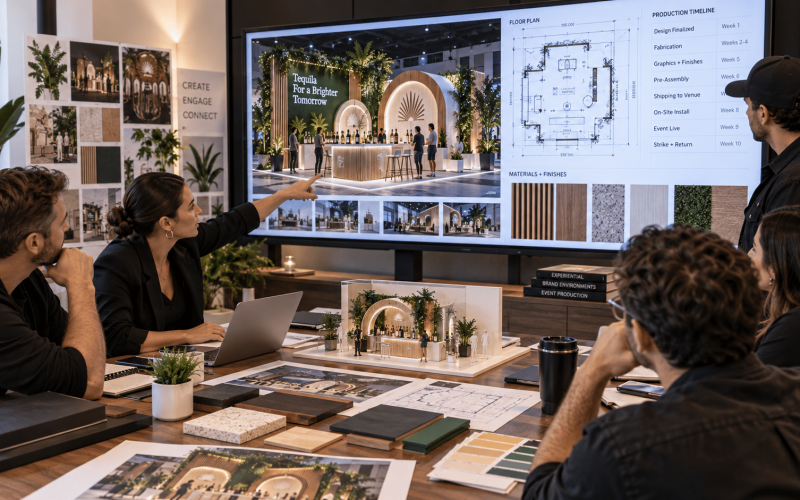
This is where production input matters early. A fabrication partner can help translate a visual direction into components that fit through doors, break down into manageable cases, withstand repeated handling, and reassemble accurately. That does not reduce the creative ambition. It protects it from the predictable issues that arise on site.
Define the non-negotiables
Every activation has a few elements that must remain consistent from market to market. That may be a hero product display, a signature photo moment, a game mechanic, an interactive screen, or a branded hospitality zone. Identify these before discussing finishes or decorative details.
Once the non-negotiables are clear, separate them from adaptable elements. Graphics, accessory furniture, queue lines, shelving configurations, and display content can often change by venue or audience. This distinction helps teams protect the core experience while giving the tour practical flexibility.
Build for Engagement, Not Just Visibility
Branded walls, oversized logos, and custom furniture create presence, but presence alone does not hold an audience. The best mobile activations give people a clear reason to step in, stay longer, and share the experience. That reason should connect directly to the product or campaign rather than feeling like an unrelated attraction.
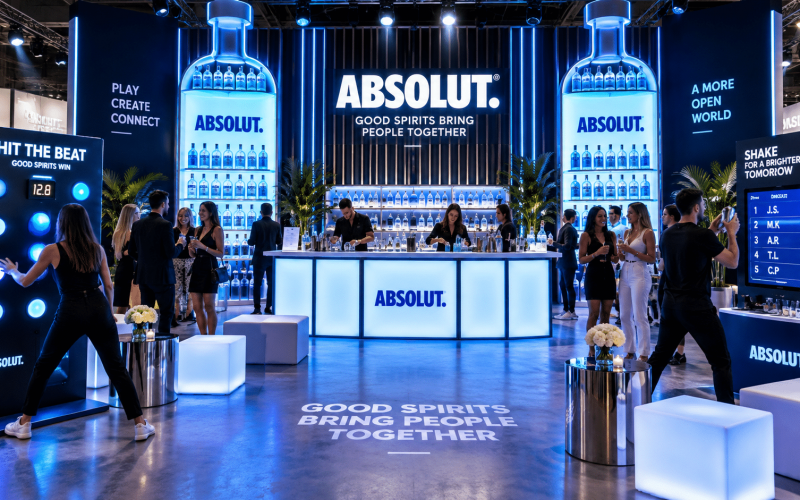
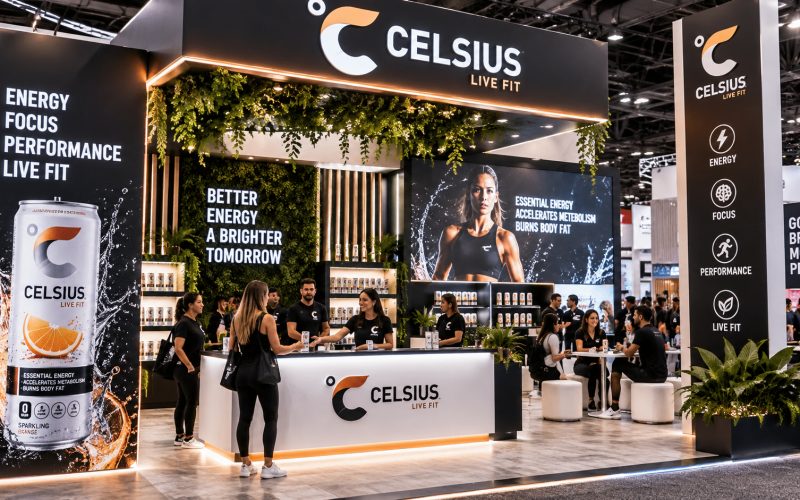
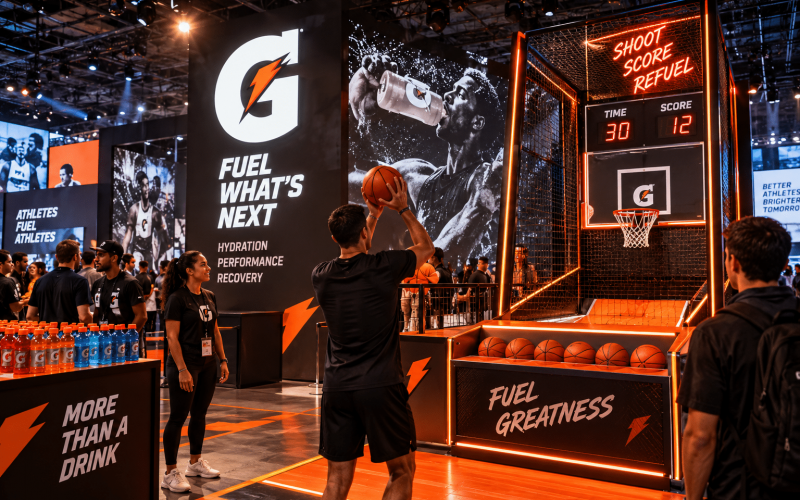
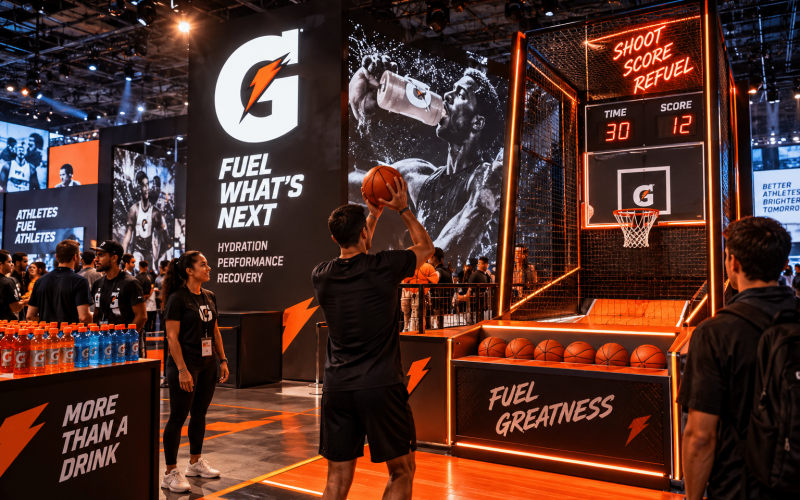
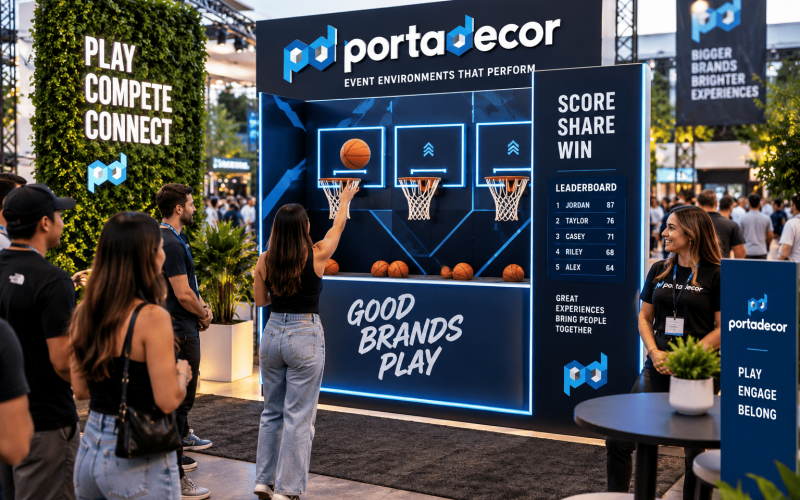
For a consumer product launch, the interaction may be a guided trial, sampling station, or personalized product selection. For a technology brand, it may be a hands-on demonstration that turns a feature into a visible result. For a sports, entertainment, or beverage campaign, an interactive game can create energy, competition, and a natural gathering point.
The physical environment needs to support that interaction. Counters should be positioned for both staff operation and guest access. Game elements need enough clearance for participation and spectator viewing. Product displays should be visible from outside the footprint without causing congestion inside it. Seating, if included, should serve a purpose, whether that is hospitality, consultation, content capture, or a moment of rest.
A useful test is to watch the activation as a guest would. Within a few seconds, can they tell what is happening? Do they know where to enter? Is there a simple next step? If the answer is unclear, additional signage will not always solve it. The layout and physical hierarchy may need adjustment.
Choose Fabrication That Can Take the Road
Touring assets experience more wear than a one-time installation. They are packed, unloaded, rolled across concrete, handled by different crews, exposed to weather, and installed under pressure. Materials and construction methods should reflect that reality.
Custom fabrication for mobile use often requires a balance between finish quality and durability. High-gloss surfaces can photograph well but may show damage quickly. Lightweight materials can lower freight costs but may not be stable enough for high-traffic environments. Heavy, permanent-style construction can feel premium but create costly labor and transportation demands. The right choice depends on the activation’s duration, route, audience volume, and budget.
Design details make a meaningful operational difference. Replaceable graphic panels can extend the life of a structure and support campaign updates. Concealed hardware can preserve a polished appearance, but it should remain accessible to the crew. Integrated storage can keep supplies out of sight and reduce the need for back-of-house space. Casters, leveling feet, cable management, and protective transport cases are rarely the elements clients notice first, yet they often determine whether the setup runs smoothly.
For recurring campaigns, it is also worth considering which assets should be custom built and which should be rented. Custom hero pieces are often the right investment when they carry the campaign identity or serve a specialized function. Standard lounge furniture, counters, stanchions, and supporting event pieces may be better rented, especially when the event footprint changes by market. A blended approach can control costs while preserving a tailored brand presence.
Plan the Guest Journey and Crew Workflow Together
Guest experience and crew workflow are connected. If staff must cross the public area to retrieve inventory, troubleshoot equipment, or restock giveaway items, the activation can quickly feel disorganized. A well-planned setup gives the team practical operating space without making the guest area feel overbuilt.
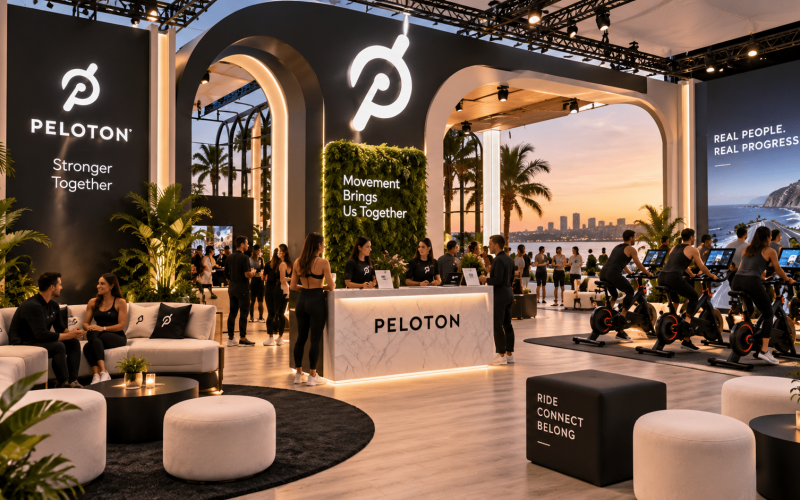
Map the journey from arrival to exit. An exterior-facing message attracts attention. An entry point creates a clear invitation. The central interaction gives the guest a reason to participate. A final moment can support sampling, lead capture, retail conversion, social sharing, or a takeaway. Not every event needs all of these stages, but each should have a purpose.
Then map what staff need behind the scenes. This includes storage, charging access, cleaning supplies, product inventory, packaging, personal items, and equipment controls. A small lockable cabinet or integrated rear storage can prevent clutter from undermining an otherwise polished environment.
Staffing levels should match the interaction. High-throughput sampling requires a different crew plan than a guided game, a consultation, or a product demo. If guests need instructions, someone must be available to give them. If the experience captures data, the process should not create a long line or require guests to hand over more information than the value exchange justifies.
Make Logistics Part of the Creative Brief
Too often, freight, power, storage, and installation are addressed after the concept is approved. That can lead to expensive redesigns or a setup that is harder to execute than anticipated. For mobile brand activations, logistics belong in the brief from day one.
Document the expected footprint, ceiling height, access requirements, power needs, internet dependencies, crew count, setup time, strike time, and storage requirements. If the program is outdoors, identify the wind plan, weather protection, ballast needs, and surface conditions. If it travels nationwide, confirm how assets will be packed, insured, tracked, and maintained between stops.
It also helps to establish a field repair plan. Spare graphics, touch-up materials, backup hardware, replacement parts, and clear assembly instructions can prevent a minor issue from becoming a visible failure. The objective is not to assume something will go wrong. It is to ensure the crew can respond quickly if it does.
Measure More Than Foot Traffic
Foot traffic is useful, but it does not tell the whole story. A busy activation with low participation may be visually successful but commercially weak. Measurement should reflect the campaign’s actual objective.
For awareness, track impressions, dwell time, content creation, and social reach where applicable. For product education, measure completed demos, sample distribution, repeat questions, and staff feedback. For lead generation, focus on qualified contacts, consent rates, appointment requests, and follow-up conversion rather than raw scans alone. For sales-focused programs, connect the experience to redemptions, retail traffic, or direct transactions when possible.
Qualitative feedback matters as well. Ask field teams which parts of the setup create bottlenecks, what guests photograph, where people hesitate, and which talking points generate interest. Those observations can guide practical improvements between tour stops.
A mobile activation is not a static display that happens to travel. It is a repeatable operating system for bringing a brand into physical spaces. When creative direction, fabrication, logistics, and field operations are planned together, each stop becomes easier to execute and more valuable to the audience it reaches. Start with the conditions the team will face on site, then build the experience to perform there.