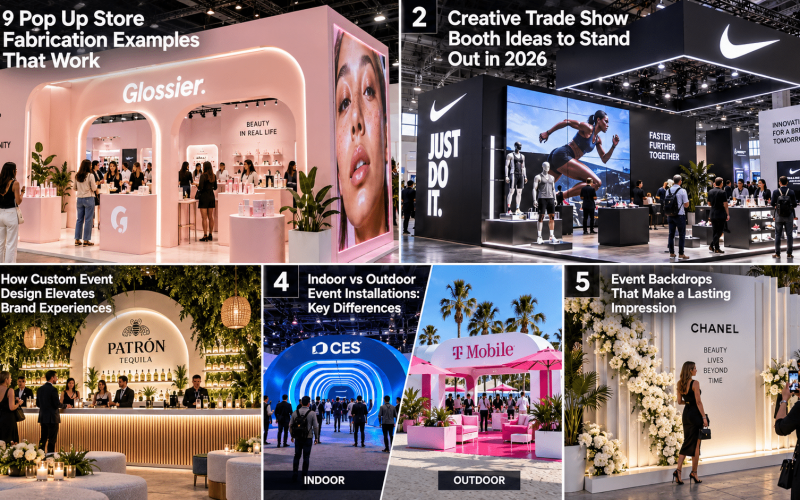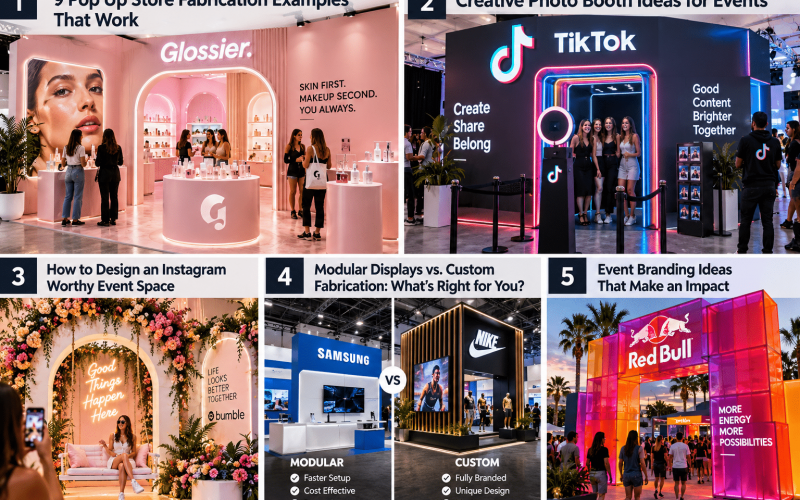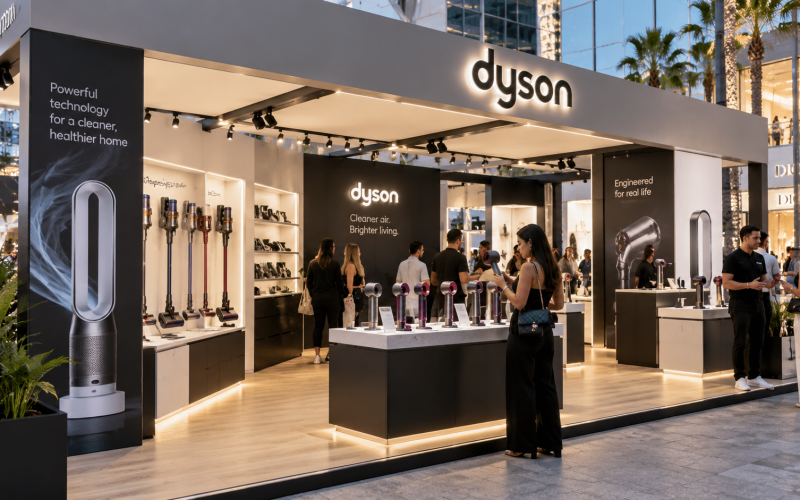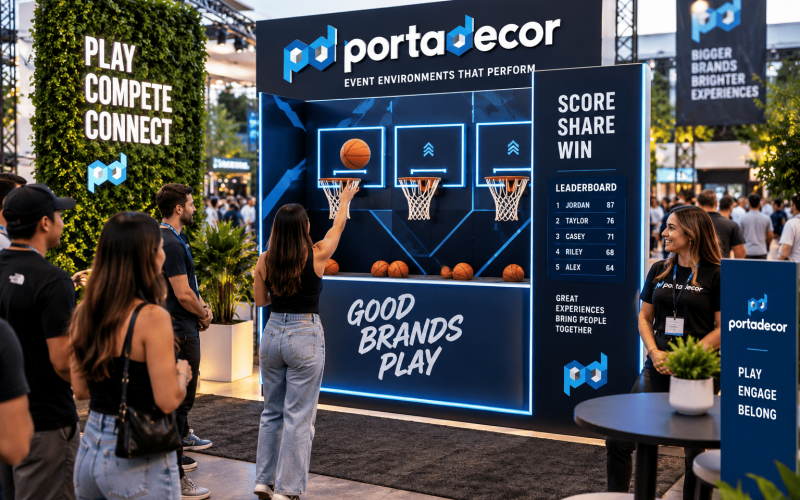
A strong event prop has a job beyond filling empty floor space. It needs to stop attendees, communicate the brand in seconds, support the activation mechanic, and hold up through load-in, crowds, and repeated use. The top event prop fabrication ideas start with that operational reality, then turn it into a physical moment people want to enter, touch, photograph, or share.
For brand marketers and event producers, the most effective props are not necessarily the biggest. They are the ones that connect a recognizable brand cue to a clear audience action. A giant product replica can create a line. A lighted game wall can keep guests engaged. A modular branded lounge can make a trade show booth feel like a destination rather than another footprint on the show floor.
Build the Prop Around the Audience Action
Fabrication decisions should follow the desired behavior. Before choosing materials, finishes, or dimensions, define what a guest should do when they reach the installation. Are they taking a photo, sampling a product, playing a game, meeting with a sales rep, or learning a product feature?
A photo-forward activation calls for a clear focal point, controlled sightlines, and a visual that reads from a distance. A game-based activation needs durable interaction surfaces, accessible controls, line management, and quick resets. A hospitality area needs comfortable furniture, power access, storage, and branding that supports conversations without overwhelming them.
This distinction matters because a prop that looks impressive in a rendering can underperform on the event floor if it does not give people an obvious reason to participate. The best fabrication partners pressure-test the creative against traffic flow, staffing, venue rules, and the time available for setup.
Top Event Prop Fabrication Ideas for Brand Activations
Oversized Product Replicas
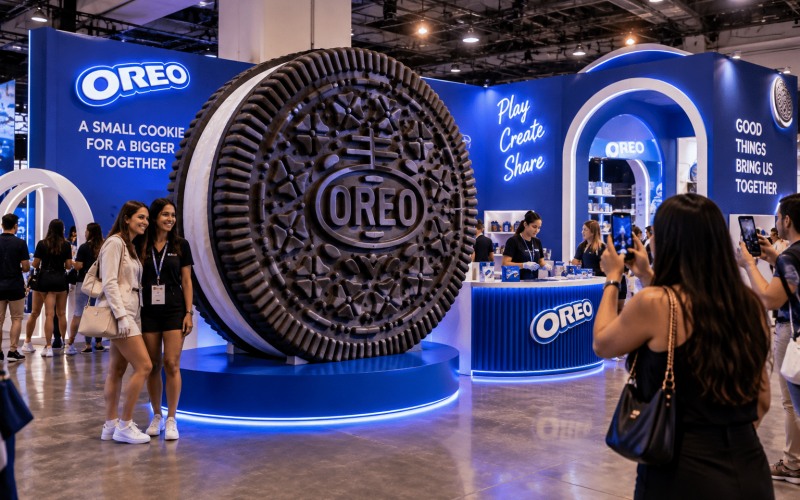
Large-scale product replicas remain effective because they make a familiar object feel unexpected. A beverage can, sneaker, skincare bottle, snack package, or tech device can become a landmark that pulls people across a busy venue. The execution, however, determines whether the piece feels premium or promotional in the wrong way.
For a polished result, use clean geometry, accurate color matching, and branded details that can be seen in photos without dominating every surface. Consider practical additions such as a concealed door for staff access, internal shelving for samples, or an integrated screen that tells the product story. If the replica will tour, design it in sections that break down for freight and reassemble without visible seams.
The trade-off is storage and shipping. A fully custom sculptural piece creates impact, but it may not be the right investment for a single short event. A modular replica skin built around a reusable frame can offer more flexibility for a multi-market campaign.
Immersive Photo Sets
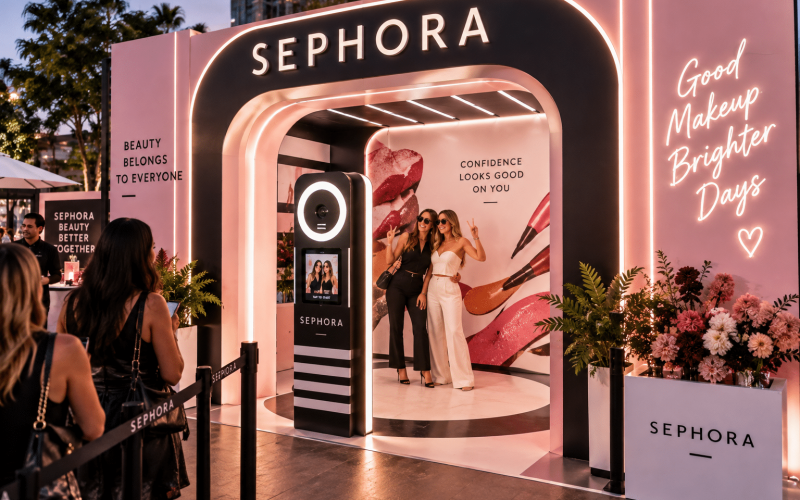
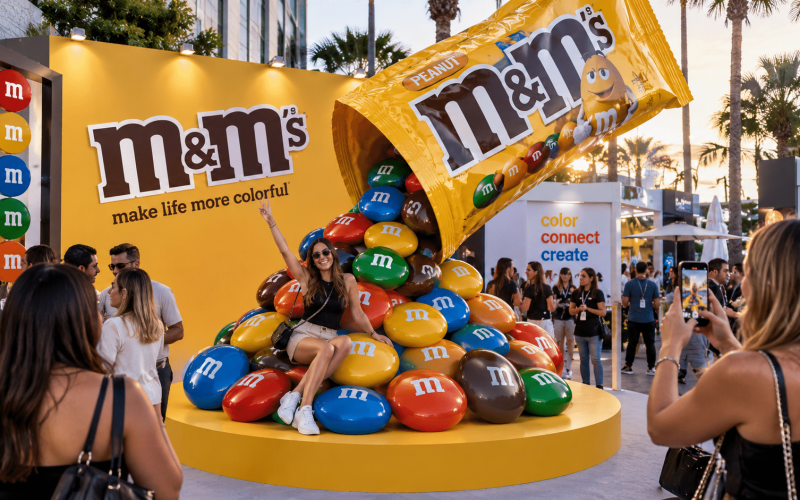
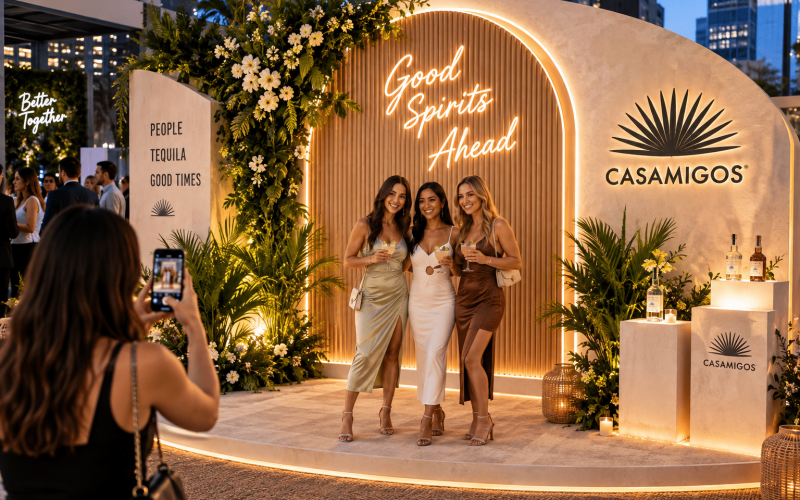
Photo moments perform best when they feel like a place, not merely a logo wall. Think of a fabricated room vignette, a bold portal, a stylized storefront, or a branded environment that places guests inside the campaign world. The goal is a composition that naturally frames the subject while showing enough context to identify the brand.
Depth is a valuable fabrication tool here. Layered walls, dimensional lettering, arches, windows, and practical furniture create richer images than flat printed graphics alone. Lighting is equally important. A beautiful backdrop with poor lighting will not produce the social content the concept promised.
Design for the camera positions guests will actually use. Leave room for small groups, account for vertical video, and avoid reflective materials where they will create glare. If a photo set includes a queue, the exterior face should still create interest for attendees who have not yet entered.
Interactive Game Walls and Prize Stations
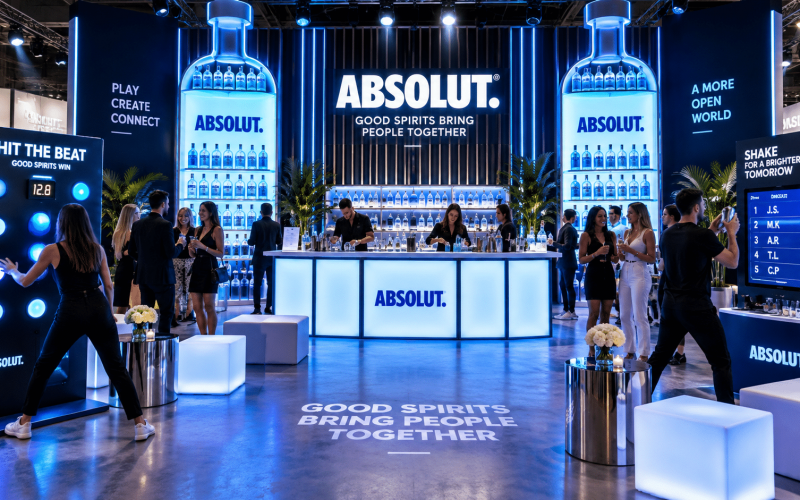
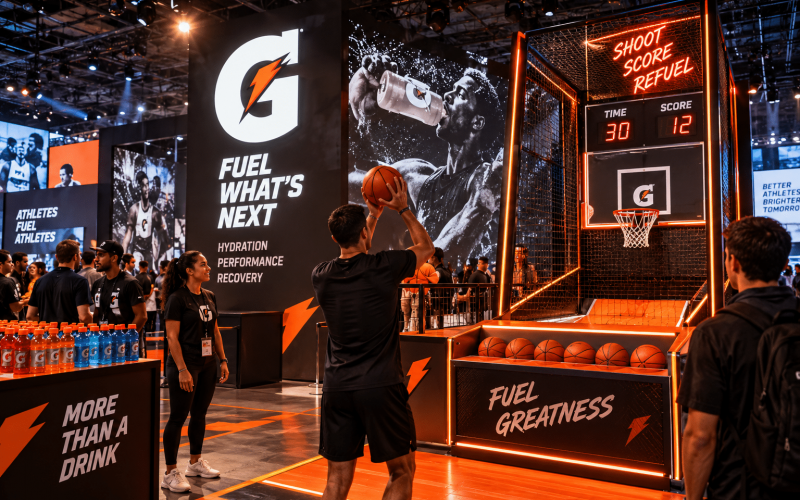
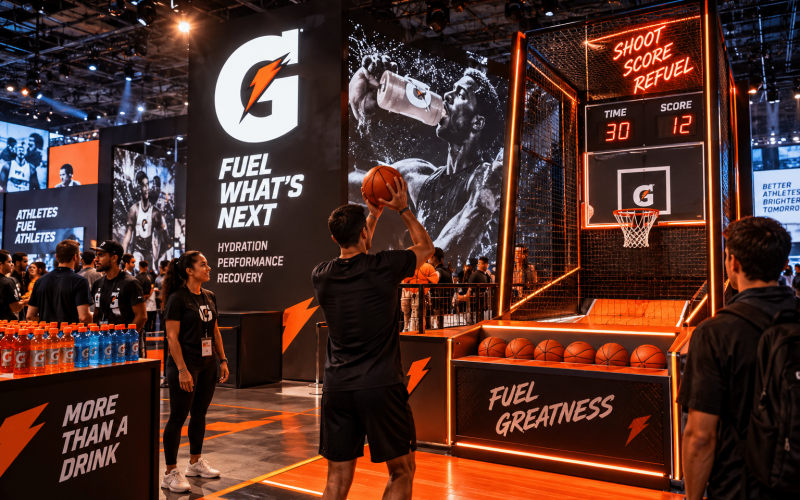
Games create dwell time, and dwell time gives brand ambassadors an opening to start a conversation. Fabricated game walls can support trivia, skill challenges, digital displays, reaction games, prize dispensing, or collectible moments. They work particularly well in convention centers, festivals, campus tours, and retail pop-ups where attendees need a quick reason to stop.
The fabrication should make the experience intuitive. Guests should understand where to stand, what to press, and where to collect a prize without a lengthy explanation. Durable panels, protected electronics, cable management, and replaceable branded graphics are not background details. They are what keep a high-traffic activation operating when the room is full.
For touring programs, build service access into the design from the beginning. A game component that requires major disassembly to reset or repair can slow the entire event team down.
Modular Product Discovery Bars
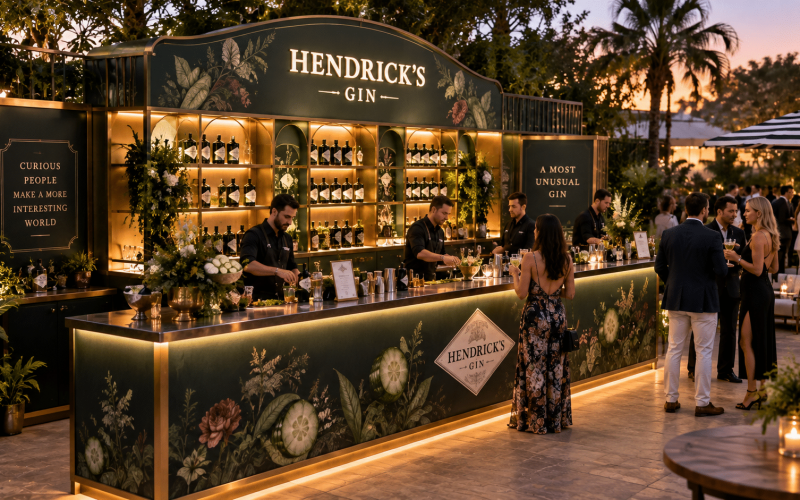
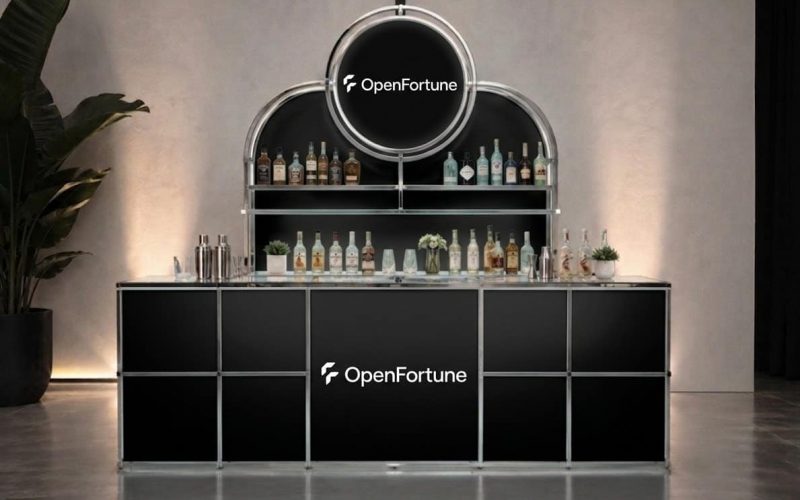
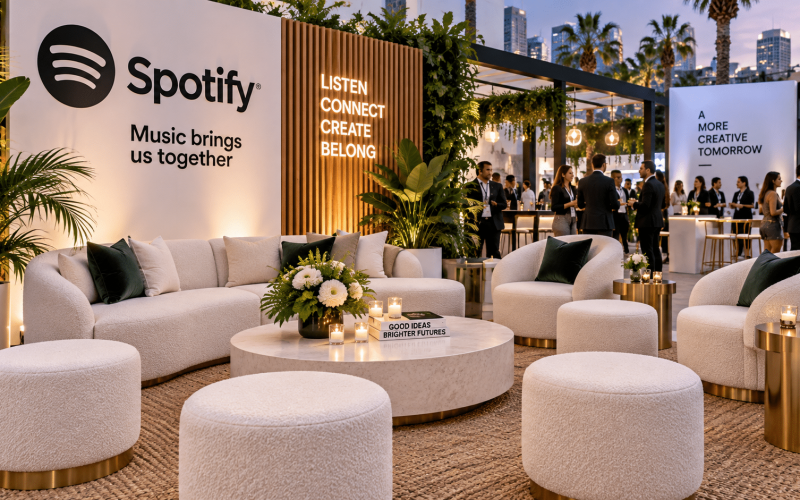
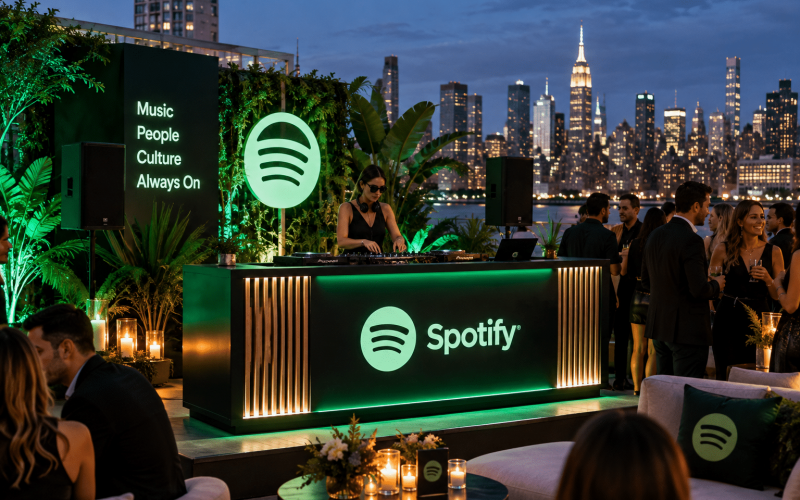
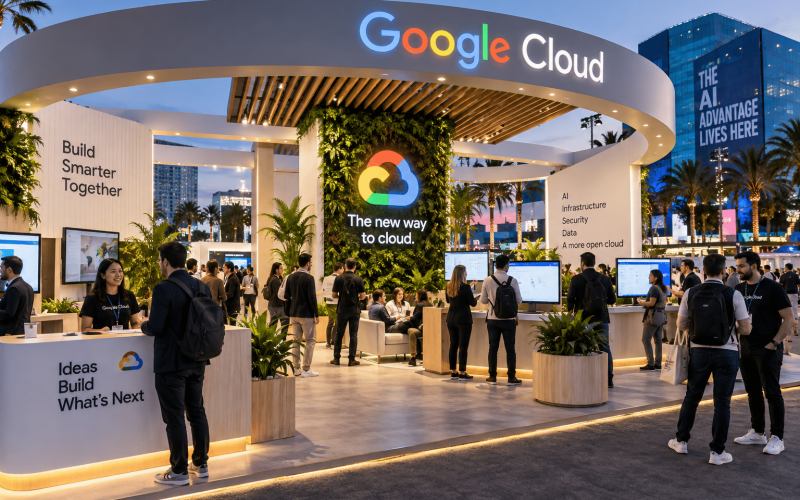
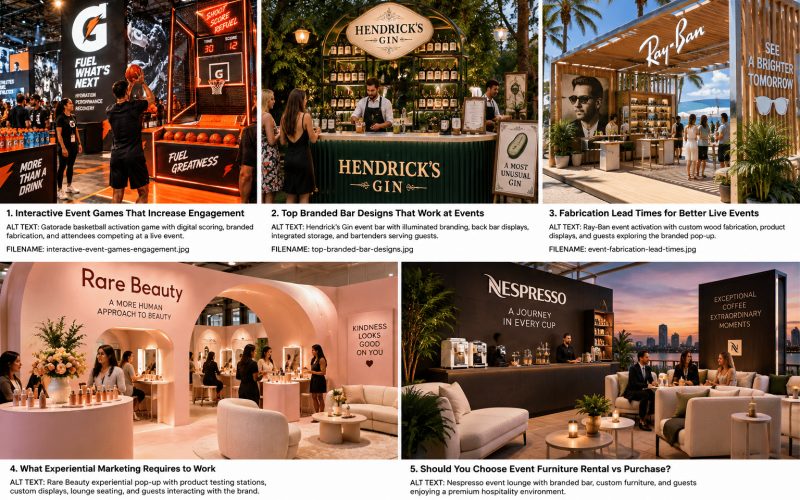
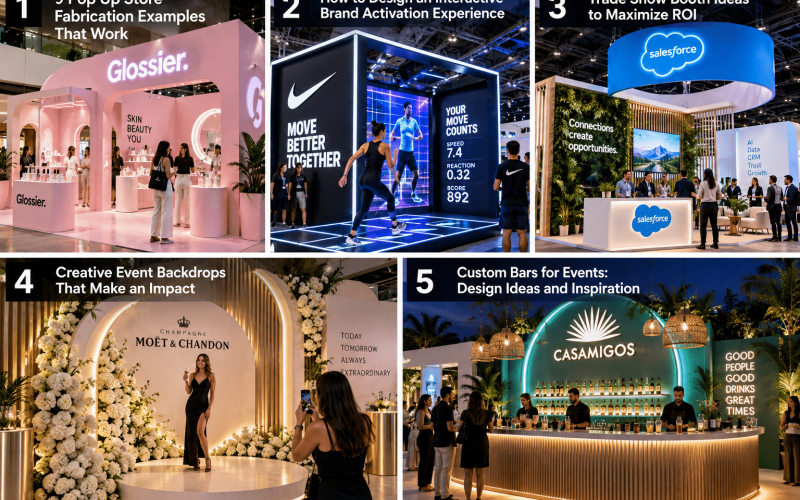
A branded bar, demo counter, or sampling station gives an activation a working center. It can support product education, tastings, consultations, lead capture, or merchandise distribution while keeping supplies out of sight. The strongest versions combine custom millwork, durable countertops, integrated storage, and a front-facing brand treatment that reads across the floor.
Modularity makes this concept more valuable. Interchangeable headers, magnetic graphic panels, and removable display elements can adapt the same core structure for different products, retailers, or campaign messages. That approach is often more cost-effective than fabricating a new environment for every event.
Confirm operational needs early. Food and beverage sampling may require specific sanitation, refrigeration, or power considerations. Tech demonstrations may require secure device mounts and charging access. A good-looking counter that cannot support the team working behind it is a missed opportunity.
Sculptural Seating and Branded Lounges
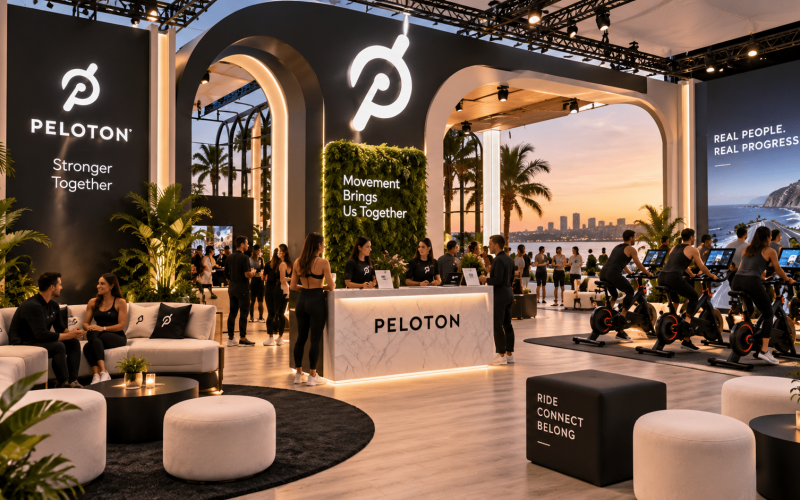
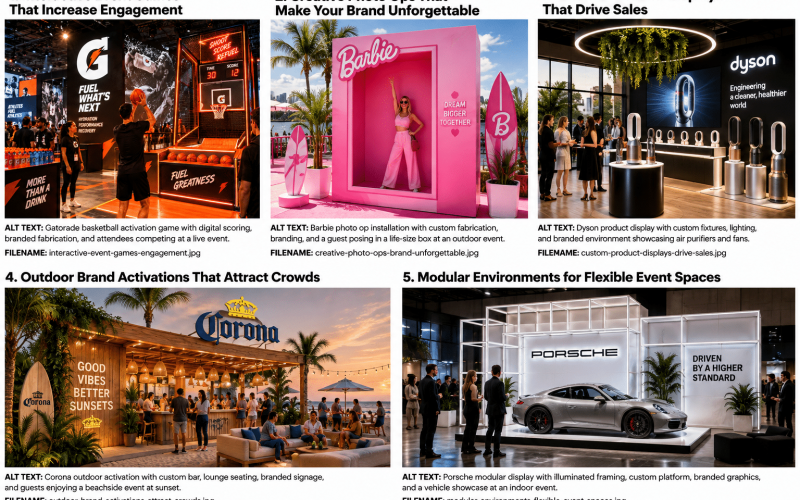
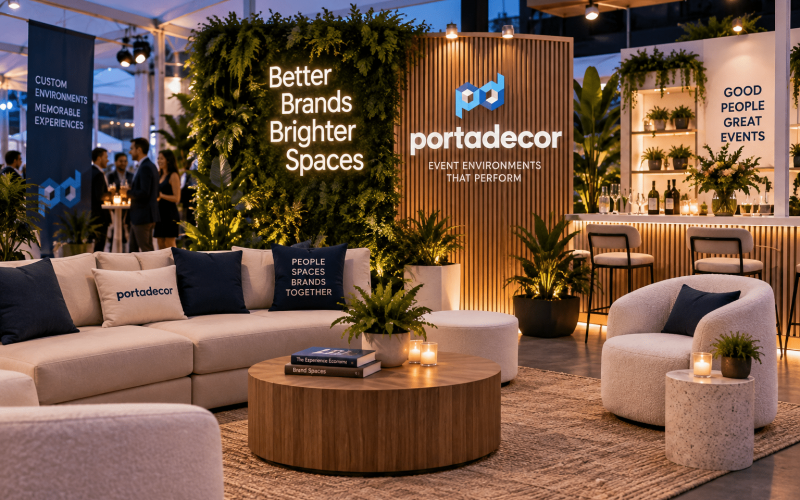
Seating can be a prop when it is designed as part of the campaign world. A circular bench around a centerpiece, oversized soft forms in brand colors, or a fabricated lounge with architectural details can create a relaxed visual break in a crowded event environment. It also encourages longer conversations with prospects, partners, and media.
The key is balancing visual distinction with genuine comfort. Sharp angles, low seats, and delicate upholstery may look dramatic but can fail under constant use. Commercial-grade finishes, stable bases, and materials that clean easily are usually better choices for public events.
For trade show booths, a lounge should not block product visibility or trap visitors in a dead-end space. Position it to invite entry while preserving a clear path to demonstrations and sales conversations.
Dimensional Signage and Landmark Structures
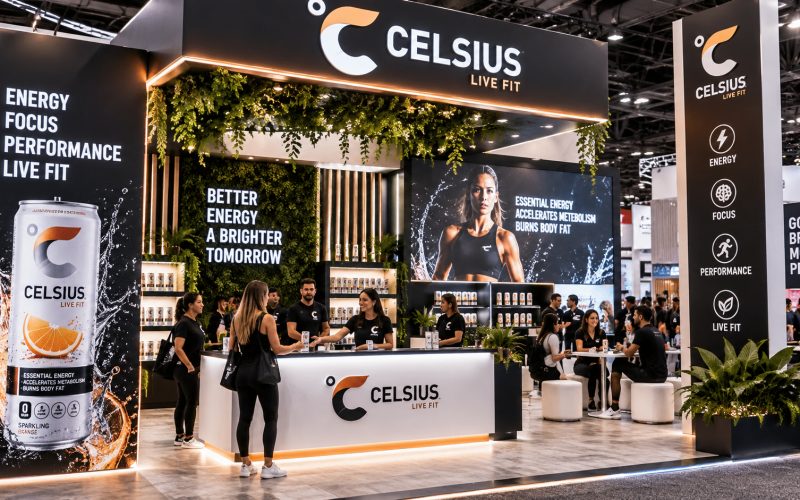
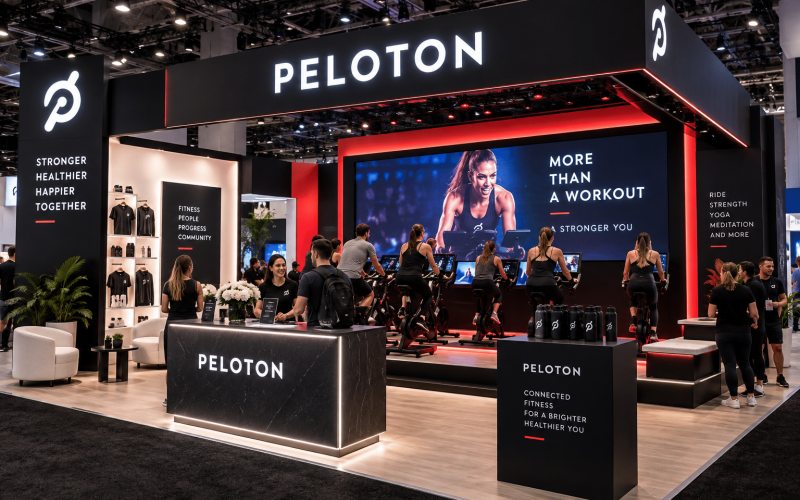
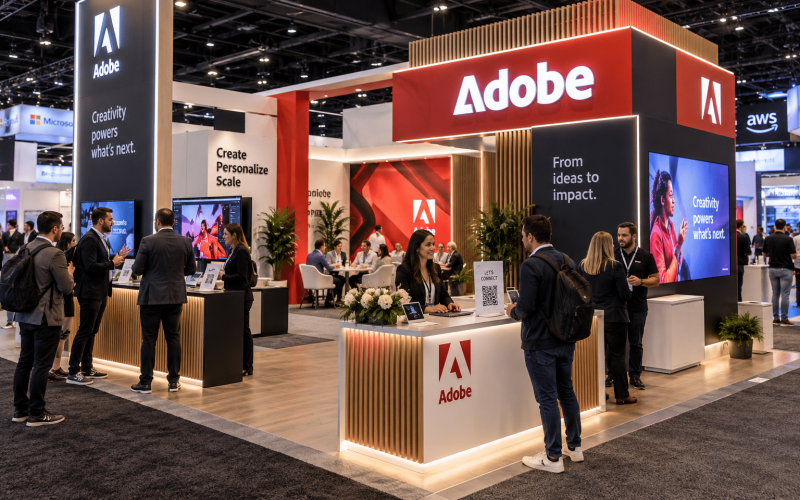
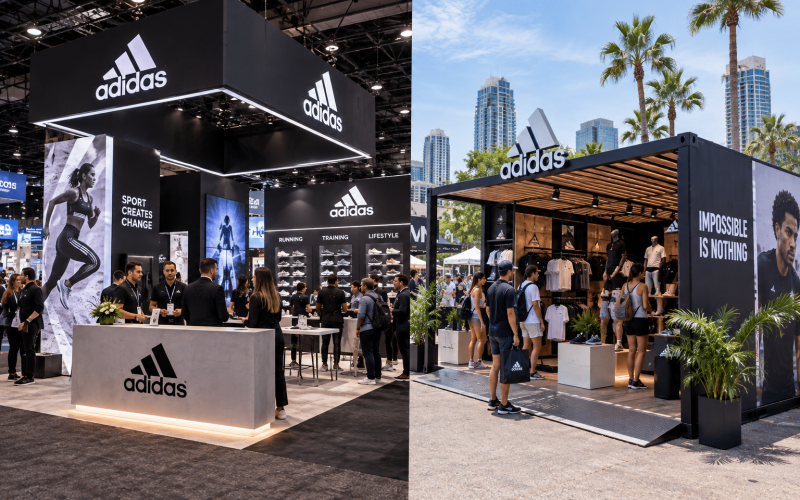
Large dimensional signage is often the most efficient way to establish presence in a crowded hall. Freestanding letters, illuminated logos, hanging-style structures where permitted, and architectural brand markers make a booth easier to find and easier to remember.
Unlike a printed banner, fabricated signage can create shadow, depth, and a sense of permanence. It can also double as a backdrop for content capture or an anchor point for the rest of the booth design. Where budgets are limited, one well-executed landmark structure may deliver more value than several small decorative pieces.
Venue restrictions matter. Height limits, fire ratings, rigging approvals, and egress requirements can reshape the concept quickly. Build the idea around the event manual, not against it.
Specify for Fabrication, Freight, and Reuse
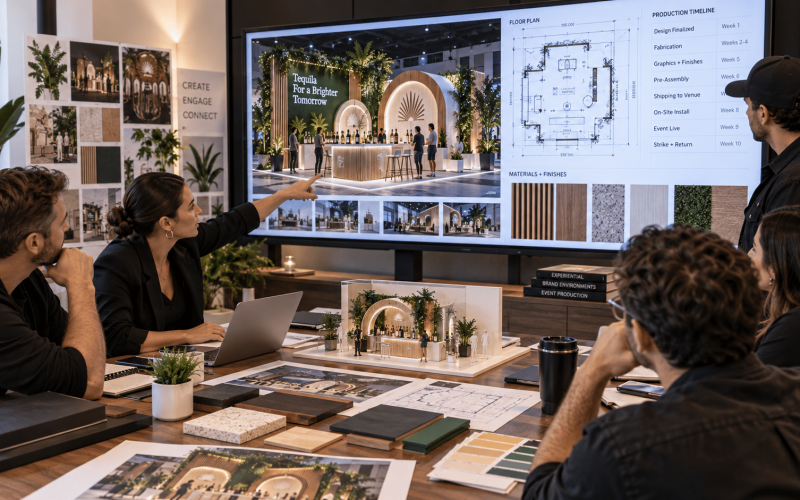
The creative concept is only half the scope. Event props need to survive transport, install efficiently, and look consistent after repeated use. That means making choices about material weight, crate dimensions, connection points, finish durability, and replacement components before production begins.
A lightweight foam or vac-formed element may be ideal for a temporary sculptural form. Wood, aluminum, acrylic, steel, or laminated panels may be better for structures that need rigidity or repeated deployment. There is no universal best material. The right choice depends on scale, expected traffic, weather exposure, budget, and the number of planned event dates.
Reusable assets deserve a different level of engineering than a one-day installation. If a prop will travel nationwide, specify protective cases, labeled components, clear assembly instructions, and finishes that can be cleaned or repaired between stops. Portadecor approaches custom fabrication with those live-event realities in mind, helping teams move from a creative direction to an activation-ready asset.
Make the Brand Visible Without Making It the Only Idea
The strongest branded environments do not treat every surface as ad space. Attendees are more likely to engage with an experience that gives them something entertaining, useful, or visually distinctive. Branding should be unmistakable, but it should support the interaction rather than replace it.
Use the logo where it will appear in photos, reinforce campaign colors through the environment, and carry product cues into the prop shape, materials, or mechanics. Then leave enough visual room for the guest to become part of the scene. A prop earns its place on the floor when the audience remembers the experience and the brand together.