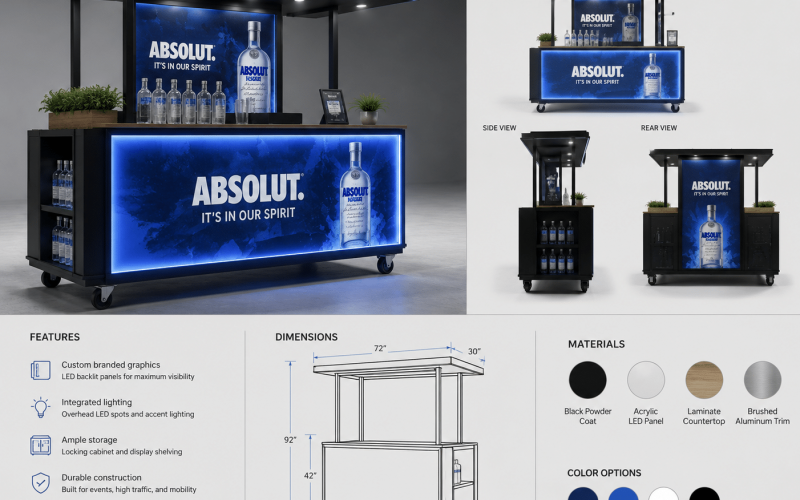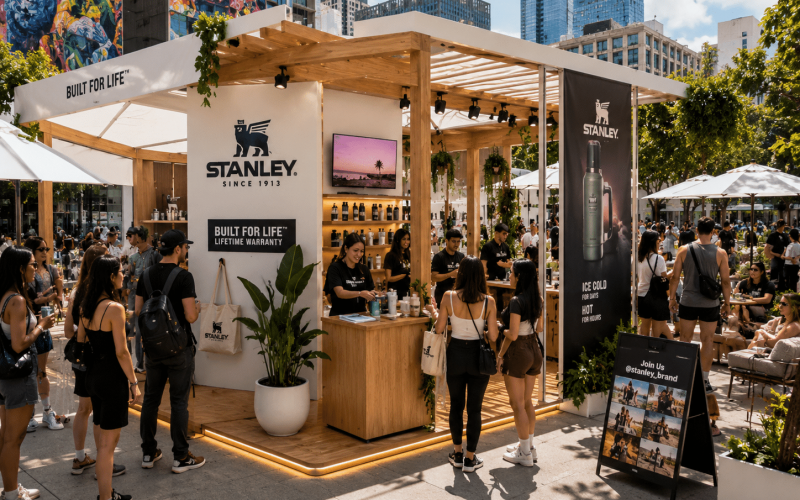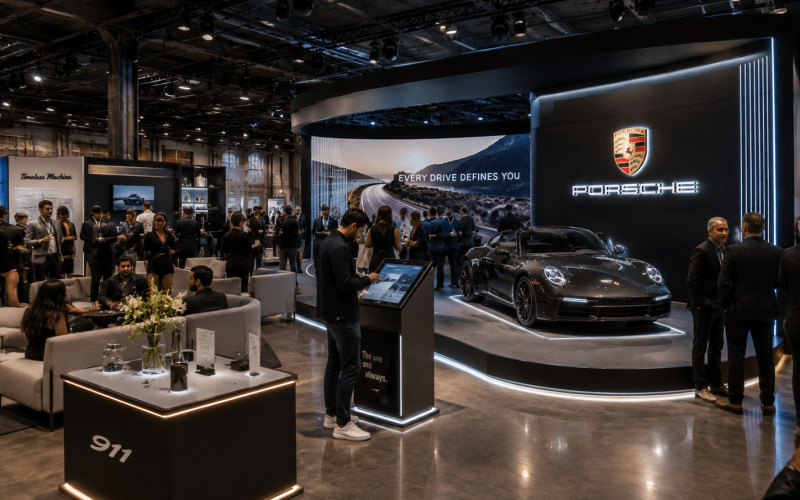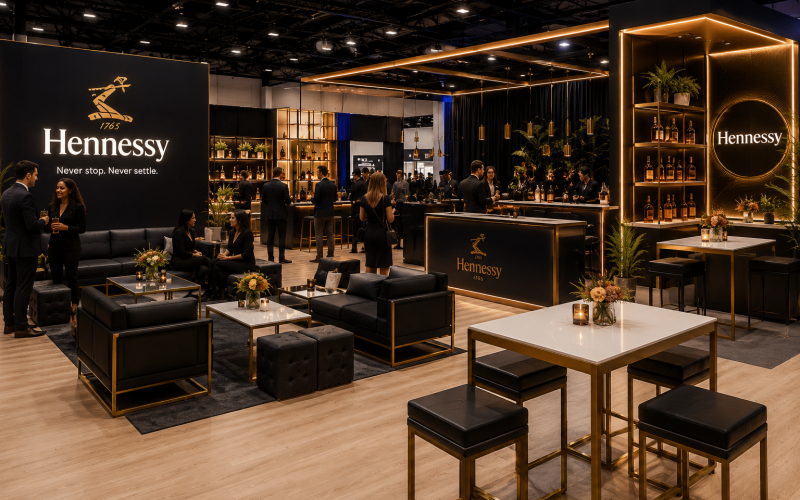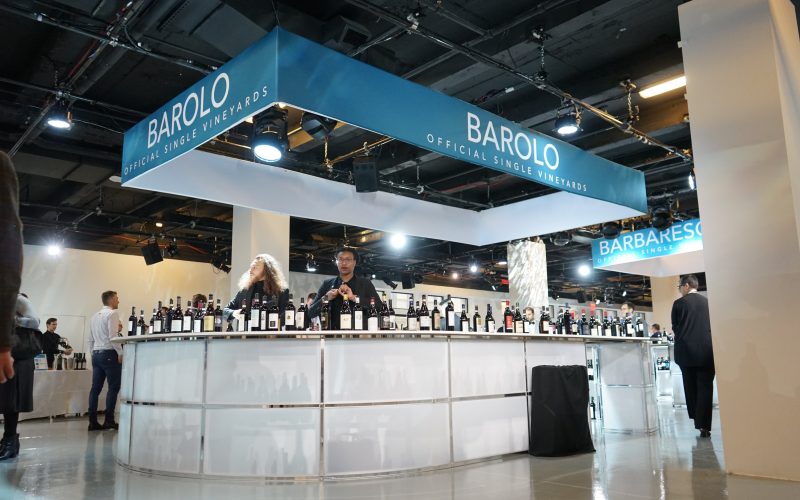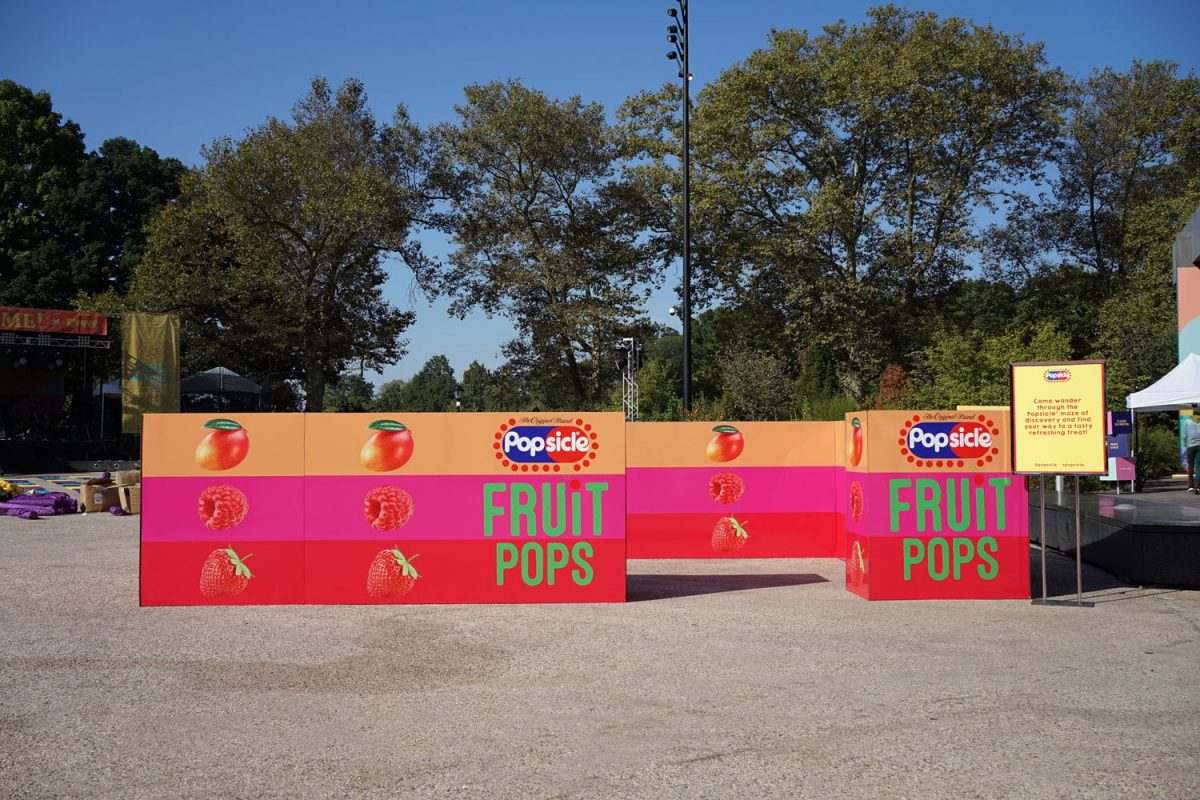
A 10×10 booth with a back wall and a table can get you on the show floor. It will not automatically get people to stop, engage, remember your brand, or share what they saw. That gap is where the real conversation around experiential marketing vs trade shows starts.
For brand marketers and event teams, these are not interchangeable terms. Trade shows are a channel. Experiential marketing is a strategy. Sometimes they overlap well. Sometimes they pull in different directions. The right choice depends on your objective, your audience, your budget, and how much interaction your brand actually needs to create results.
Experiential marketing vs trade shows: the core difference
The simplest way to frame experiential marketing vs trade shows is this: trade shows are built around attendance and industry concentration, while experiential marketing is built around participation and brand connection.
A trade show gives you access to a defined audience in a defined venue. Buyers, partners, media, and competitors are all in one place, often with a clear business intent. That makes trade shows efficient for lead generation, product demos, distributor meetings, and market visibility.
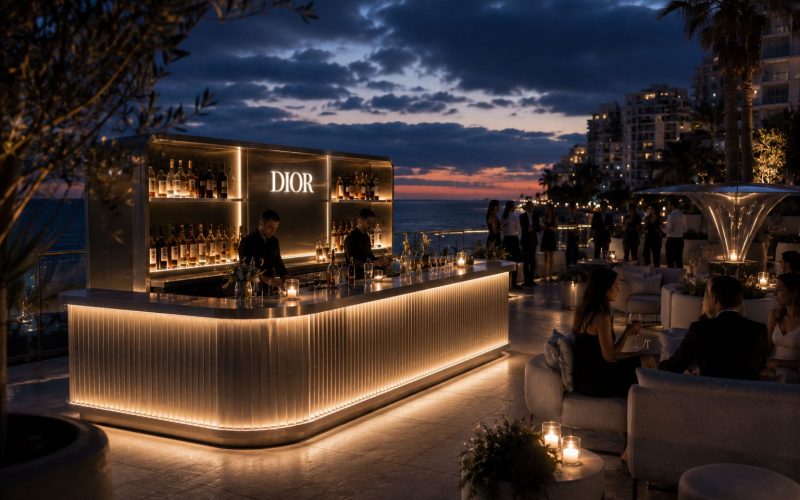
Experiential marketing is broader and more flexible. It includes brand activations, pop-ups, mobile tours, immersive product launches, interactive installations, and event environments designed to create a memorable physical experience. The audience may be consumers, decision-makers, or both. The goal is not just exposure. It is engagement that people can feel, interact with, and remember.
That distinction matters because the physical build, staffing model, content flow, and success metrics are different from the start.
Trade shows work best when access matters most
Trade shows remain valuable because they solve a specific problem very well: they gather a qualified audience in one place. If your team needs face time with buyers, channel partners, procurement teams, or industry stakeholders, the trade show format still delivers.
There is also a practical advantage. The operational structure is already there. The venue, dates, traffic patterns, exhibitor rules, and expected attendee behavior are mostly defined in advance. For marketing teams managing multiple events a year, that predictability can be useful.
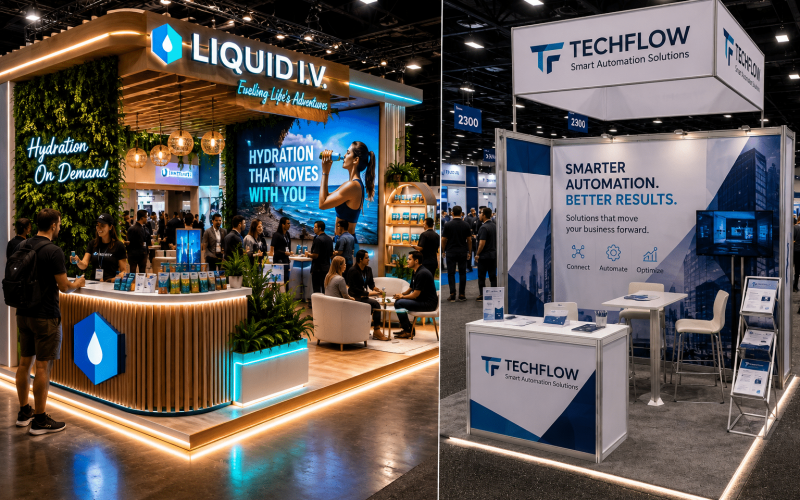
But trade shows also come with constraints. Footprints are fixed. Move-in schedules are tight. Booth regulations limit what can be built or suspended. And because everyone around you is also competing for attention, standard booth elements tend to blur together fast.
That is why fabrication quality matters so much in trade show environments. If the objective is visibility in a crowded aisle, the booth cannot just exist. It needs to communicate the brand clearly, support product storytelling, and create enough interaction to stop traffic without slowing down business conversations.
Experiential marketing works best when interaction drives the outcome
Experiential marketing performs best when the brand needs people to do more than look. If your success depends on hands-on product trial, emotional connection, social sharing, education, or immersive storytelling, a more activation-led approach is usually stronger than a conventional exhibit presence.
This is especially true for launches, consumer-facing campaigns, and brands that need to demonstrate lifestyle, utility, or personality in a physical setting. An activation can be designed around motion, touch, gameplay, customization, sampling, or content capture. That gives marketers more control over how the audience moves through the experience and what they take away from it.
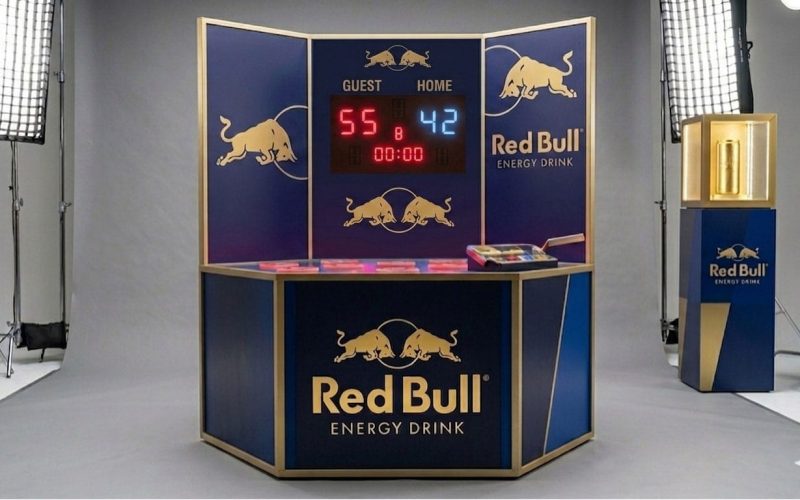
It also gives more creative freedom on the production side. Custom products, fabricated scenic elements, branded furniture, interactive counters, display structures, and game components can all be built around the specific behavior you want from attendees. Instead of fitting your idea into a standard booth package, the environment is built around the experience itself.
The trade-off is complexity. Activations usually require tighter control of logistics, more custom fabrication, stronger staffing plans, and a clearer audience journey. They can be more effective, but they also ask more from the production partner and the internal team managing the campaign.
The real question is not which one is better
In practice, the better question is what your event needs to accomplish.
If your team is measured on appointments, qualified conversations, and channel development, a trade show may be the right primary format. If your team is trying to generate buzz, increase dwell time, create social content, or give people a branded experience they will remember after the event, experiential marketing will usually outperform a standard exhibit model.
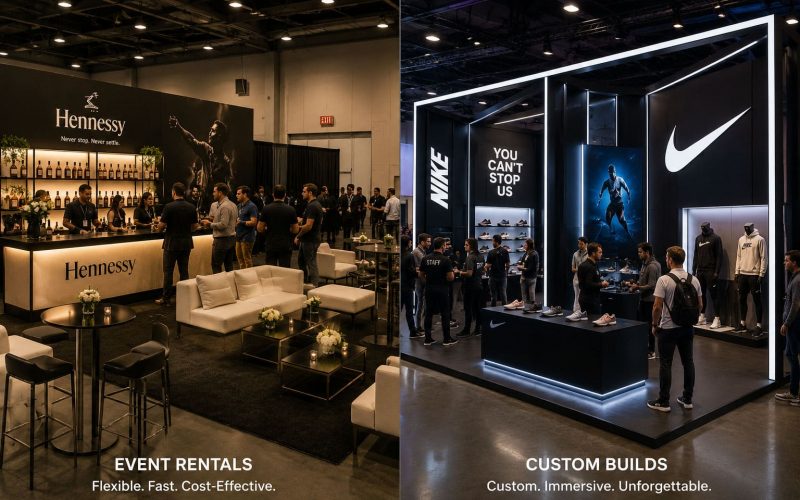
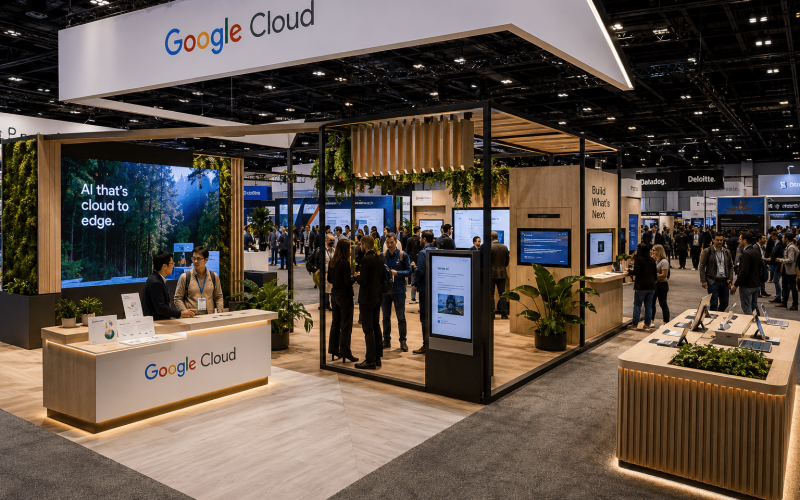
There are also hybrid scenarios, and those are often the most effective. A trade show booth can be built with experiential thinking. An activation can be installed inside a convention hall. Interactive games, custom demo stations, branded lounges, photo moments, and hands-on product engagement can all turn a passive booth into a more active environment.
That hybrid approach tends to work well because it keeps the commercial value of the trade show while improving the quality of interaction inside the footprint.
Budget changes the answer more than most teams expect
Budget is where experiential marketing vs trade shows gets more nuanced.
A basic trade show presence can be less expensive to launch, especially if you rely on modular systems, standard furnishings, and lightweight graphics. But repeated participation can still become costly once you factor in drayage, labor, storage, shipping, show services, and booth refresh cycles.
Experiential marketing often carries a higher upfront production cost because it is more custom. Fabrication, scenic builds, branded structures, and interactive components require planning and manufacturing time. However, those assets can often be reused, reconfigured, or combined with rental elements across multiple activations.
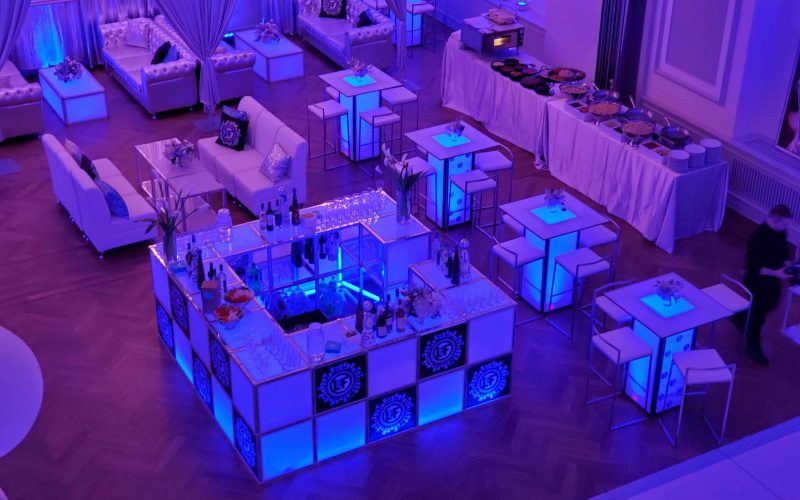
That is where smart production strategy matters. Not every campaign needs an entirely net-new environment. In many cases, the strongest execution comes from combining custom fabrication with rentable event components to control cost while preserving visual impact. For teams running regional events in markets like New York City, New Jersey, Boston, or Connecticut, rentals can also reduce logistical friction when speed matters.
Measurement should match the format
One common mistake is evaluating both formats with the same metric set.
Trade shows are usually judged by lead volume, appointment count, pipeline influence, partner meetings, and on-site product conversations. Those are direct business indicators, and they make sense in that environment.
Experiential marketing needs broader measurement. Engagement rate, participation time, content capture, social sharing, product trial, brand recall, and qualified follow-up can all matter. A great activation may generate fewer badge scans than a trade show booth, but it can create stronger audience memory and higher-value interactions.
That does not make one approach softer than the other. It simply means the performance model is different. If the build is designed for immersion, the KPI should reflect immersion. If the build is designed for sales meetings, the KPI should reflect meetings.
Production reality often decides success
The strategy can be right and still fail if execution is weak.
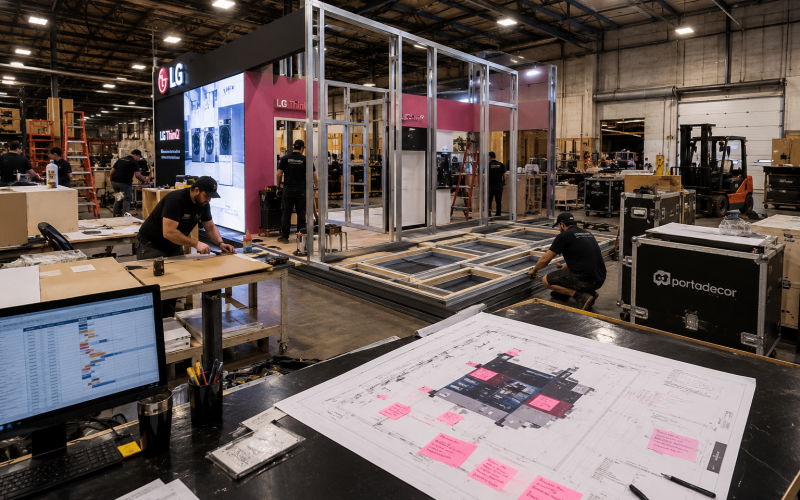
That is especially true when custom products, branded fabrication, and live event logistics are involved. The final environment has to do more than look good in a rendering. It has to ship correctly, install on time, hold up on site, align with the brand, and support the actual flow of the event.
In experiential work, details matter early. How people enter the space, where they queue, what they touch first, where the brand is visible, how staff move, where storage sits, how technology is integrated, and how fast the setup can happen all affect the result. In trade show environments, those same details matter under tighter venue restrictions and shorter install windows.
That is why many event teams look for a fabrication partner, not just a vendor. They need someone who understands the difference between a beautiful concept and a workable event asset.
When to choose one, and when to combine both
Choose trade shows when your priority is industry access, concentrated B2B exposure, and structured lead generation. Choose experiential marketing when your priority is participation, product interaction, and a stronger branded impression.
Combine both when you need the audience density of a show floor but want more than a static booth can deliver. That is often the strongest move for brands that want measurable business conversations without sacrificing engagement.
For many marketing teams, that combined model is the most practical answer. You do not need to abandon trade shows to think experientially. You need to design the physical environment with clearer intent, stronger fabrication, and a sharper understanding of what the audience should do once they arrive.
A booth that gets seen is useful. A branded environment that gets remembered, interacted with, and talked about is much harder to replace. That is usually where the next level of event performance starts.