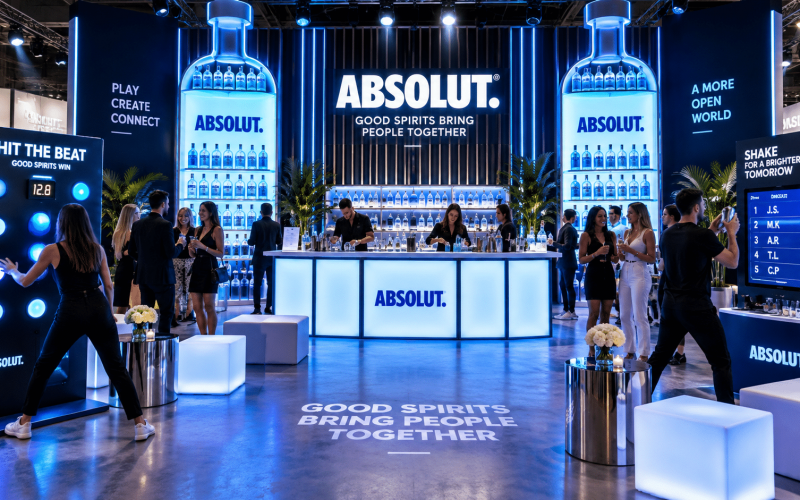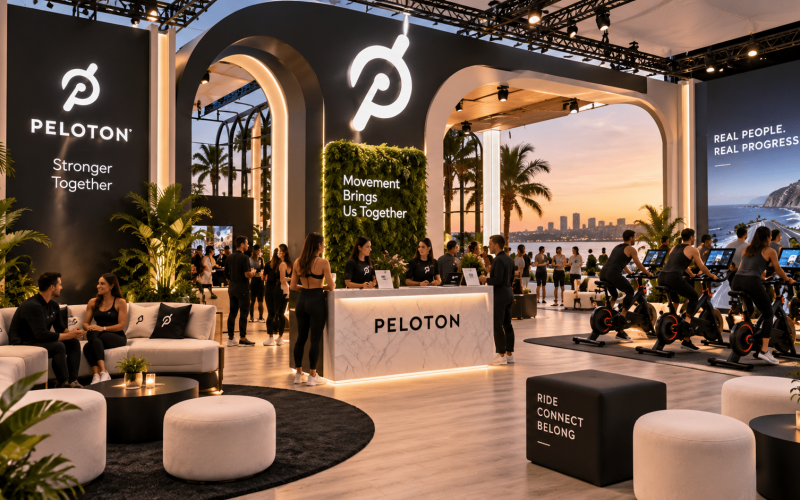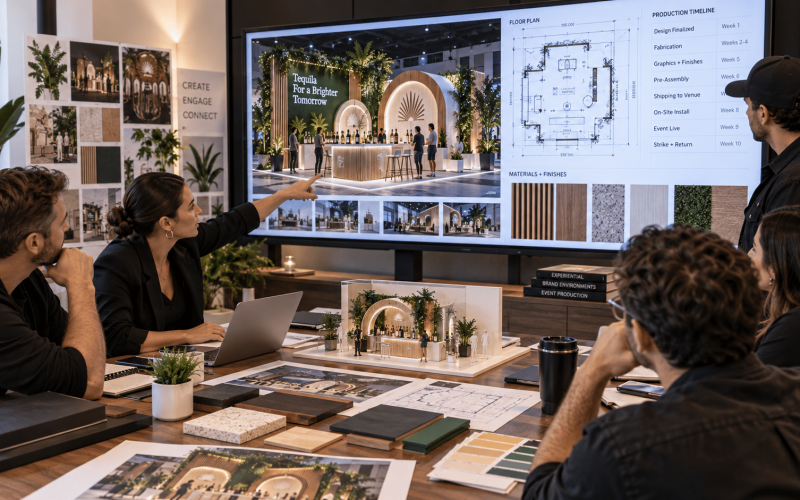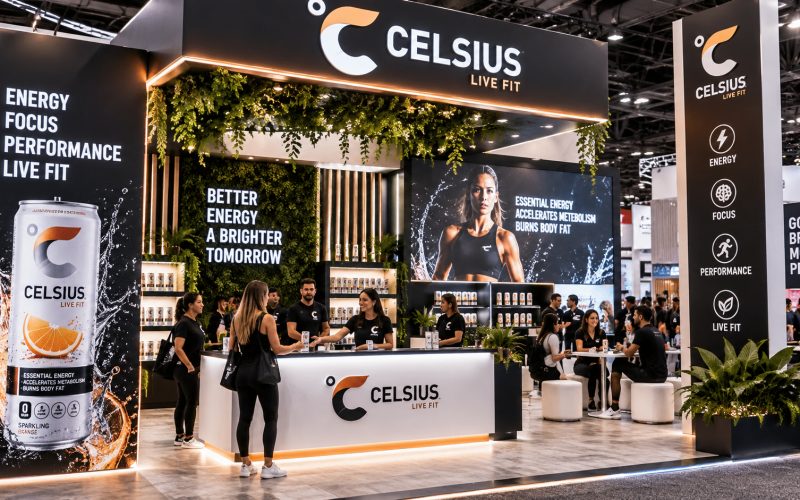
A DJ booth can either disappear into the background or become the visual center of an event. The best DJ booth features do more than give a performer a place to work. They support clean audio operations, carry campaign branding, direct guest attention, and hold up through a demanding event schedule.
For brand activations, trade show programming, product launches, and private corporate events, the right booth is a production asset. It needs to look intentional from every camera angle while giving DJs, AV teams, and event staff enough room to work without disrupting the guest experience.
Best DJ Booth Features for Live Brand Experiences
1. High-impact branded surfaces
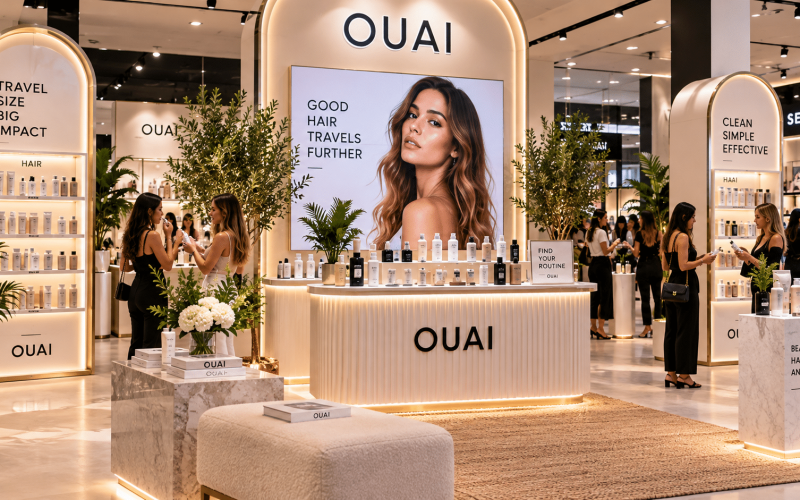
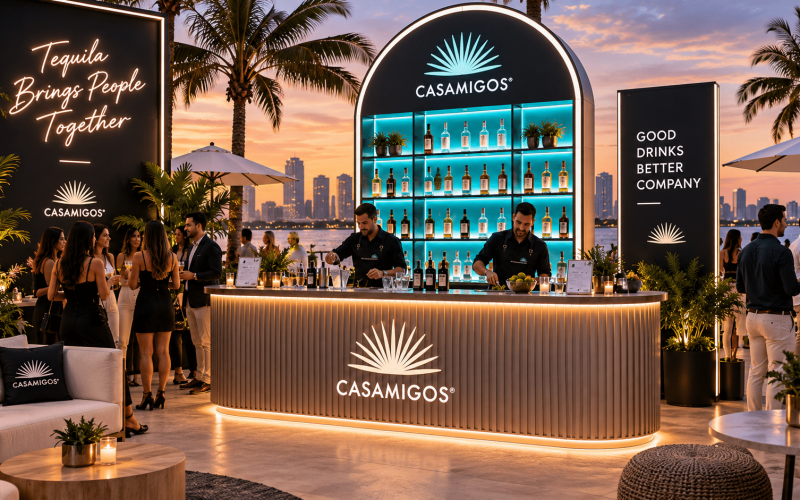
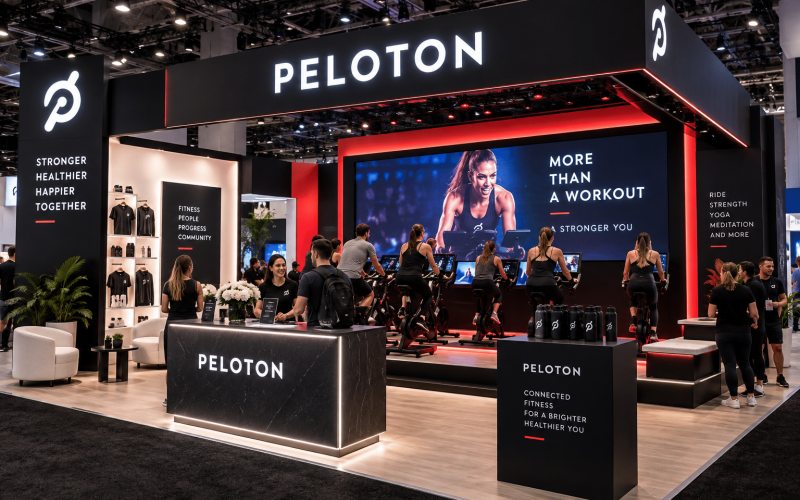
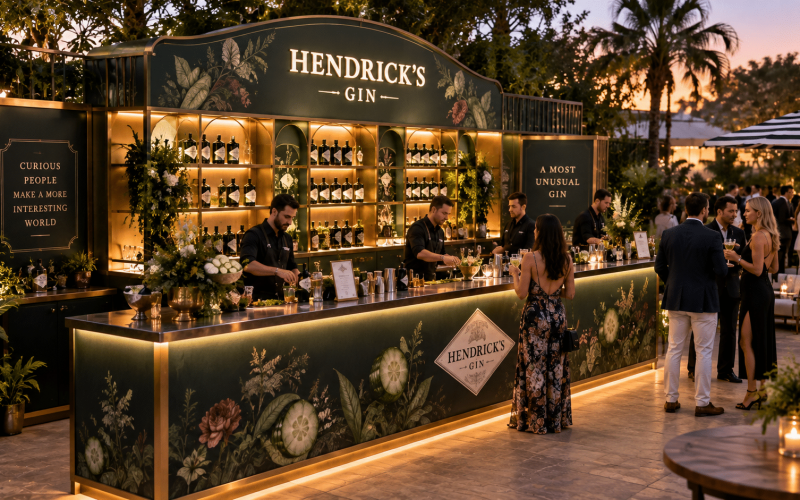
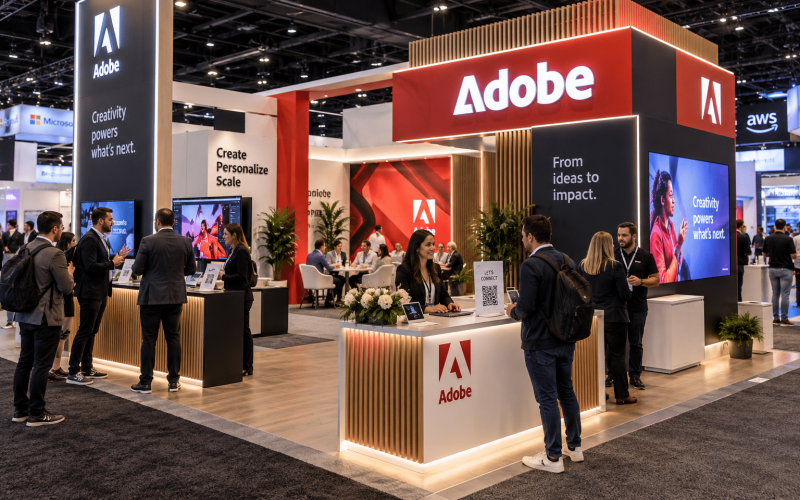
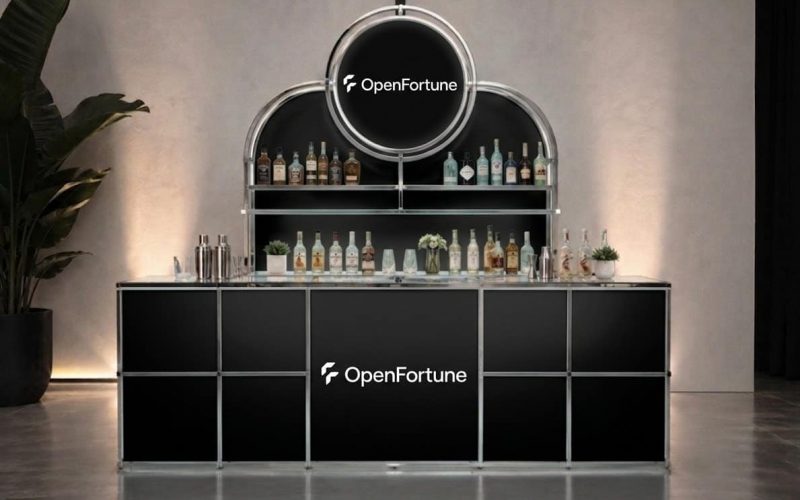
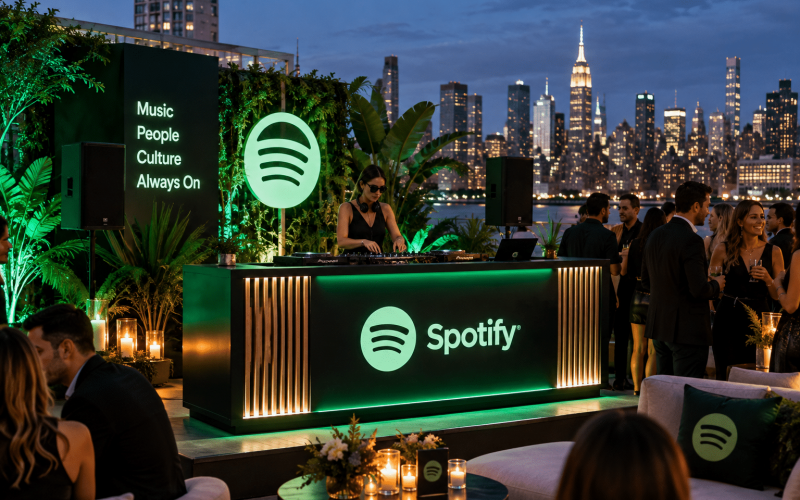
The front of a DJ booth is often the most photographed surface in the room. A blank rental booth may meet a functional need, but it misses a major branding opportunity. Custom printed panels, dimensional logos, vinyl wraps, routed lettering, and illuminated brand marks turn that same footprint into an identifiable campaign asset.
Branding should be planned around actual sightlines, not just a flat logo file. Consider what guests see from the queue, where photographers will stand, and whether the booth will appear behind speakers, performers, or product displays. A logo that is oversized or positioned too low can disappear in event photos. Clean hierarchy and appropriate contrast matter as much as the fabrication itself.
2. A professional work surface
A booth must accommodate real equipment, not just look good in a rendering. The surface needs enough depth for DJ controllers, turntables, mixers, laptops, microphones, and backup gear. It also needs enough width for a DJ to work comfortably without placing equipment at the edge of the structure.
The right dimensions depend on the performance format. A compact controller setup can work on a smaller booth, while two turntables and a club-style mixer require a wider, deeper top. Event teams should also account for an audio technician, performer changes, and the occasional need to place a wireless receiver or show-control device behind the facade.
3. Concealed cable management
Visible power cords and audio cables can undermine an otherwise polished activation. Integrated cable pass-throughs, rear access panels, and internal routing paths keep the presentation clean while allowing the DJ and AV crew to make connections efficiently.
Cable management is also a safety feature. It reduces trip hazards around the booth and limits the temptation to run cables across public-facing areas. The goal is not to hide every cable at all costs. The goal is to create a controlled path from the equipment to power, speakers, lighting, and network connections without cluttering the event environment.
4. Built-in lighting options
Lighting can dramatically change the perceived value of a DJ booth. LED edge lighting, backlit logo panels, under-counter glow, and internally illuminated graphics can make the booth visible in a dark venue and add energy during evening programming.
That said, lighting must support the campaign rather than compete with it. Color-changing effects may be right for a nightlife-inspired activation, while a luxury product launch may call for restrained white illumination or a subtle brand color. Avoid lighting placements that create glare for the DJ, wash out printed graphics, or cause camera exposure problems.
5. Durable, event-ready construction
A DJ booth may be moved from a loading dock to a ballroom, installed in a convention center, or used outdoors under controlled conditions. Materials should be selected for the actual deployment rather than just the desired appearance. Laminated panels, durable painted finishes, metal framing, acrylic elements, and protected graphics each have a place depending on the event plan.
Fabrication quality shows up in the details: stable corners, flush seams, level surfaces, secure panels, and hardware that can withstand repeated handling. For a one-time installation, a highly customized build may be the right investment. For a multi-city campaign, modularity and replaceable branded elements can be more practical.
6. Modular components for faster setup
Event schedules rarely leave room for complicated assembly. Modular booth sections allow teams to load in, assemble, brand, and strike more efficiently than a single oversized unit. They are especially valuable for trade shows and touring activations where freight, dock access, storage, and labor windows influence every production decision.
Modularity does involve trade-offs. More sections can mean more seams, more hardware, and a greater need for clear installation instructions. A well-designed system balances transportability with a finished appearance that still feels custom-built. Magnetic skins, interchangeable face panels, and tool-light assembly can make campaign updates easier without requiring an entirely new booth.
7. A performer-facing back bar or storage area
The front-facing facade gets attention, but the interior determines whether the booth works during a live event. A rear shelf, secure storage compartment, or integrated back bar gives the DJ a place for accessories, water, personal items, and backup equipment. It also prevents the visible work surface from becoming cluttered.
Storage needs should be discussed early. If event staff will use the booth area to hold giveaways, radios, merchandise, or extra cables, that changes the internal layout. Separate performer storage from brand inventory whenever possible so the DJ can maintain a consistent workspace throughout the program.
8. Clear integration with the event environment
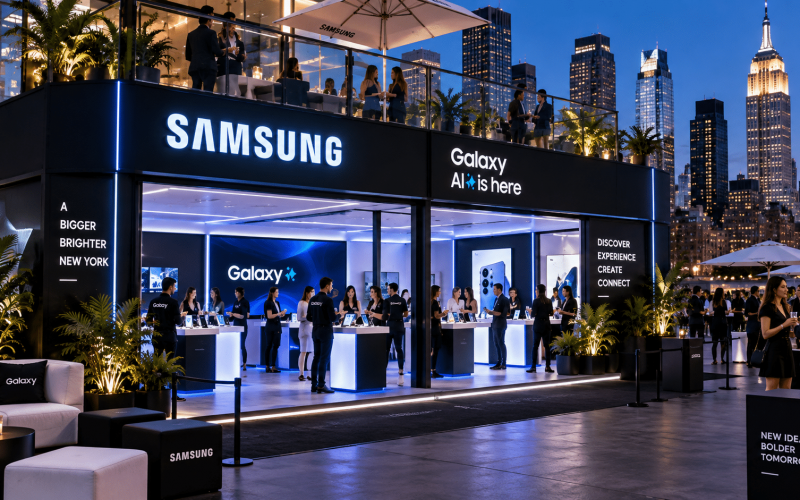
The most effective DJ booths feel connected to the overall activation rather than dropped into an empty corner. Materials, colors, graphic language, and lighting should relate to the bar, lounge furniture, product displays, photo moments, or trade show booth architecture around it.
Placement matters just as much. A booth centered on a stage creates a performance focal point, while a side-positioned booth can support a retail-style or networking environment without interrupting conversations. Consider speaker locations, line-of-sight to the audience, access to power, and whether the DJ should be visible from outside the activation footprint.
9. Accessibility and operational access
A visually striking booth still needs practical access. The performer must be able to enter and exit safely, particularly when programming includes multiple DJs, hosts, or guest talent. Rear openings should be wide enough for equipment cases and staff movement, while front-facing elements should not create sharp edges or unstable extensions into guest traffic.
For public events, accessibility planning should be part of the design discussion. Depending on the setup and role of the operator, an accessible work position, suitable clearances, and manageable equipment height may be required or strongly preferred. Planning these details early is far easier than modifying a finished booth on site.
10. A design that supports content capture
A DJ booth can generate social-ready visual content throughout an event, especially when it carries a campaign message that is readable on camera. This does not require covering every surface in graphics. Often, one strong logo position, a distinctive silhouette, and a well-lit branded element create a better visual result than an overloaded design.
Think through daytime and nighttime content, wide crowd shots and close performer shots, plus vertical mobile video. If the booth includes reflective acrylic, mirrored surfaces, or glossy finishes, test how they behave under event lighting. Some materials look exceptional in person but show fingerprints, glare, or unwanted reflections on camera.
Choosing Features Based on the Event Brief
Not every event needs every feature. A short trade show set may prioritize compact dimensions, branded panels, and quick installation. A high-energy consumer activation may justify integrated lighting, a larger performance footprint, and a custom facade built specifically for social content. A touring program may place the highest value on modular construction, durable finishes, and replaceable campaign graphics.
The strongest process starts with the operating plan: equipment list, venue conditions, anticipated audience flow, brand standards, freight method, install schedule, and desired reuse. From there, the booth can be designed as a working production element instead of a decorative afterthought.
Portadecor approaches DJ booth fabrication the same way it approaches brand activations and trade show booths: by translating the creative concept into a physical asset that can perform in a live environment. The right features give the production team fewer problems to solve on site and give the brand a more visible, credible presence in the room.
A well-planned DJ booth should make the performance feel effortless while making the brand impossible to miss.